
Shiprocket Takes on Zomato: Inside the Direct-Ordering Pivot to Cut Restaurant Costs
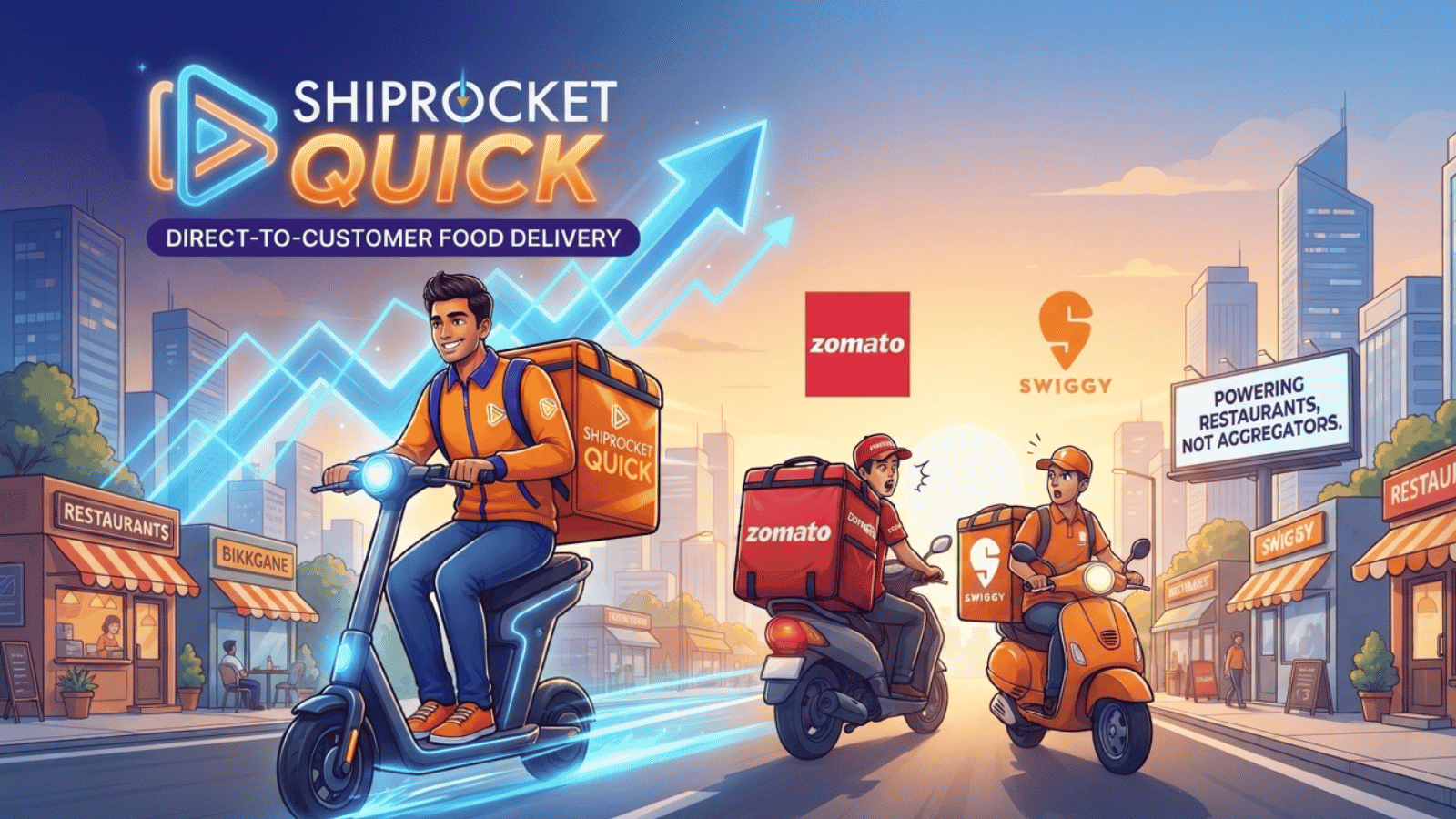
Shiprocket, India’s leading e-commerce enablement and logistics platform, is making a highly strategic pivot into the food delivery market. By launching a direct-ordering model, the unicorn aims to help independent restaurants and cloud kitchens bypass the steep commissions charged by established aggregators like Zomato and Swiggy.
Leveraging its AI-powered checkout platform, fastrr, and its hyperlocal delivery arm, Shiprocket Quick, the company is positioning itself not as a consumer-facing marketplace app, but as the hidden backend infrastructure for the restaurant industry’s growing direct-to-consumer (D2C) movement.
The Strategic Snapshot
| Business Metric | Strategic Details |
| The Innovator | Shiprocket (E-commerce Logistics Unicorn) |
| New Vertical | Direct-to-Consumer (D2C) Food Delivery |
| The Core Problem | Eliminating steep aggregator commissions (surged to 24.6% in 2023) |
| Tech Stack | fastrr checkout integration + Shiprocket Quick delivery fleet |
| Pricing Model | Promotional ₹10 per kilometer (No surge pricing) |
| NCR Pilot Partners | Vegorama Group (Punjabi Angithi), Bikkgane Biryani |
How the Direct-Ordering Model Works
Unlike Zomato or Swiggy, Shiprocket is not building a centralized app where users scroll through hundreds of competing restaurant menus. Instead, the company provides a white-label technology stack.
Restaurants integrate the fastrr digital checkout tool directly into their own websites, Instagram storefronts, or apps. When a customer places an order, the delivery is automatically outsourced to the Shiprocket Quick network, which aggregates third-party hyperlocal fleets like Ola, Porter, Borzo, and Shadowfax Local. This model ensures that restaurants retain complete control over their customer engagement data, personalized marketing, and loyalty programs.
The Economic Impact on Delhi NCR Restaurants
For the booming food and beverage sector in the National Capital Region (NCR), this pivot offers a crucial financial lifeline. According to an NCAER study, average aggregator commissions have surged from a manageable 9.6% in 2019 to a massive 24.6% in 2023. When combined with compulsory discounts and marketing costs, third-party platforms can swallow up to 40% of an order’s total value.
To combat this, Shiprocket is aggressively testing its direct-delivery ecosystem in the Delhi NCR region, launching pilots with high-volume local chains like the Vegorama Group (Punjabi Angithi) and Bikkgane Biryani. This shift mirrors the broader retail D2C revolution we have seen with successful women entrepreneurs in India and aggressive fashion startups like Snitch, where founders prioritize owning the direct customer relationship over relying on marketplace monopolies.
The Logistics Challenge & Pricing Strategy
While Shiprocket currently processes millions of e-commerce parcels daily, delivering hot food requires hyper-local, point-to-point dispatching with strict 30- to 45-minute turnarounds.
To incentivize early adoption and help restaurants manage these operational challenges, Shiprocket is launching with highly transparent logistics pricing. Hyperlocal delivery rates currently start at a flat, promotional ₹10 per kilometer with absolutely no surge pricing applied during peak lunch/dinner hours. Moving forward, the company plans to scale this solution across other quick-service restaurants (QSRs), bakeries, and packaged food brands by introducing food-specific features like menu-aware checkouts.
