
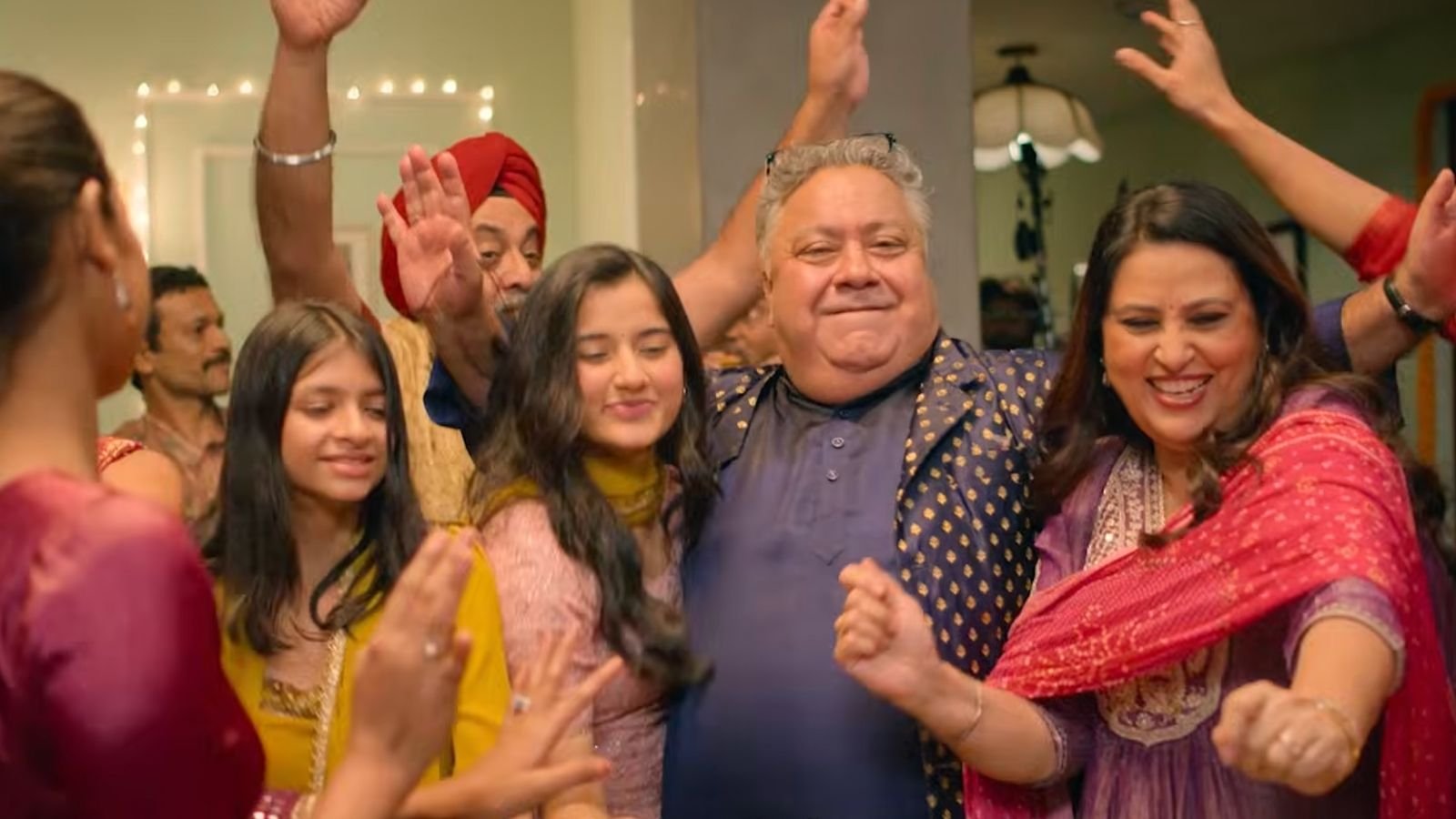
Why Netflix’s ‘Dilwali Diwali’ is the Ultimate Reality Check for Delhi-NCR Families
If you are looking for a meaningful watch to wind down with your family this weekend, Netflix has delivered the perfect emotional palate cleanser. However, do not let the bright, festive title fool you.
Dilwali Diwali, which began streaming globally on November 5, 2026, is not a generic holiday comedy filled with synchronized dance numbers. Clocking in at a highly digestible 61 minutes, this short-but-profound family drama from Terribly Tiny Tales tackles a theme that hits remarkably close to home for anyone living in the capital: the complex, often heartbreaking emotional cost of upward mobility.
Directed by Ritesh Menon with a sharp, empathetic screenplay by Ritu Mago, the film is anchored by stellar, deeply moving performances from veteran actors Manoj Pahwa and Neelu Kohli, alongside Mihir Ahuja and Aurra Bhatnagar Badoni.
Instead of relying on heavy-handed melodrama, the film holds up a mirror to a modern generational dilemma. Here is why this specific slice-of-life story is striking such a deep, emotional chord across Delhi-NCR this week.
The “Luxury Upgrade” Dilemma
The core conflict in Dilwali Diwali centers on a dynamic that plays out in living rooms across the country every single day. Ahuja plays Ansh, a successful son working abroad who attempts the ultimate “grand gesture”—buying a swanky, ultra-luxurious high-rise apartment for his middle-class Punjabi parents.
His intention is rooted in pure love; he wants to reward them for their lifelong sacrifices. However, his ambition clashes immediately with his parents’ reality. Thrown into a sterile, high-end condominium, they feel entirely stripped of their identity, their close-knit community, and the familiar comforts of their old life.
While the film’s backdrop may not be the capital, for families in Delhi-NCR, this narrative is practically a documentary.
As the younger generation achieves financial success, the immediate, overwhelming instinct is to “upgrade” our parents’ lives. We move them out of the bustling, deeply connected neighborhoods of West Delhi, Lajpat Nagar, or old Noida, and relocate them into towering, high-security gated condominiums on Golf Course Road or the newer sectors of Gurugram.
We buy them sprawling square footage and premium amenities, but in doing so, we often accidentally isolate them from the loud neighbors, the familiar vegetable vendors, and the impromptu evening tea sessions that actually gave their lives joy and rhythm. The film brilliantly captures this disconnect: the heartbreaking gap between buying a “better house” and actually facilitating a “happier life.”
Flipping the Generational Script
What makes Dilwali Diwali so compelling is how it turns the traditional parent-child dynamic completely upside down. Indian cinema usually portrays parents forcing their traditional expectations onto their children. Here, it is the child who is aggressively forcing a “better,” modernized lifestyle onto his parents.
Manoj Pahwa and Neelu Kohli deliver masterclasses in subtle restraint. They perfectly capture the quiet, unspoken tension of parents trying desperately to fit into their child’s newly acquired wealthy world. They smile through the discomfort of high-society Diwali parties, terrified of appearing ungrateful for their son’s monumental financial gift, yet quietly suffocating in the isolation of their new marble-floored reality.
Simultaneously, the film extends deep empathy to Ansh. Ahuja portrays the genuine heartbreak of a child who has worked his entire life to give his parents the world, only to realize that his ultimate gift has inadvertently made them miserable. It is a devastatingly real portrayal of how we often equate material wealth with happiness, assuming that luxury can seamlessly replace the warmth of community.
The Verdict: A Necessary Weekend Watch
As we navigate the tail-end of the Diwali 2026 celebrations, Dilwali Diwali offers a grounding, necessary reality check.
In a world obsessed with aesthetics, upgrades, and financial milestones, this 61-minute film is a poignant reminder that love cannot always be quantified by real estate. It forces us to ask an uncomfortable question: when we buy our parents the ultimate luxury, are we doing it to make them happy, or are we doing it to satisfy our own egos?
As the film beautifully suggests, home is never about the upgraded address, the pin code, or the panoramic view. It is about the people, the familiarity, and the memories you are allowed to keep.
Where to Watch: Streaming globally on Netflix.
