
The Business of Reality TV: Why NCR’s D2C Brands Are Betting Big on the ‘Roadies Rebirth’ Resurgence
For the uninitiated, MTV Roadies has always been dismissed by the corporate class as loud, youth-centric reality television. However, if you are a marketing director or a D2C (Direct-to-Consumer) founder operating in Delhi-NCR this quarter, ignoring the franchise’s latest iteration is a massive strategic blind spot.
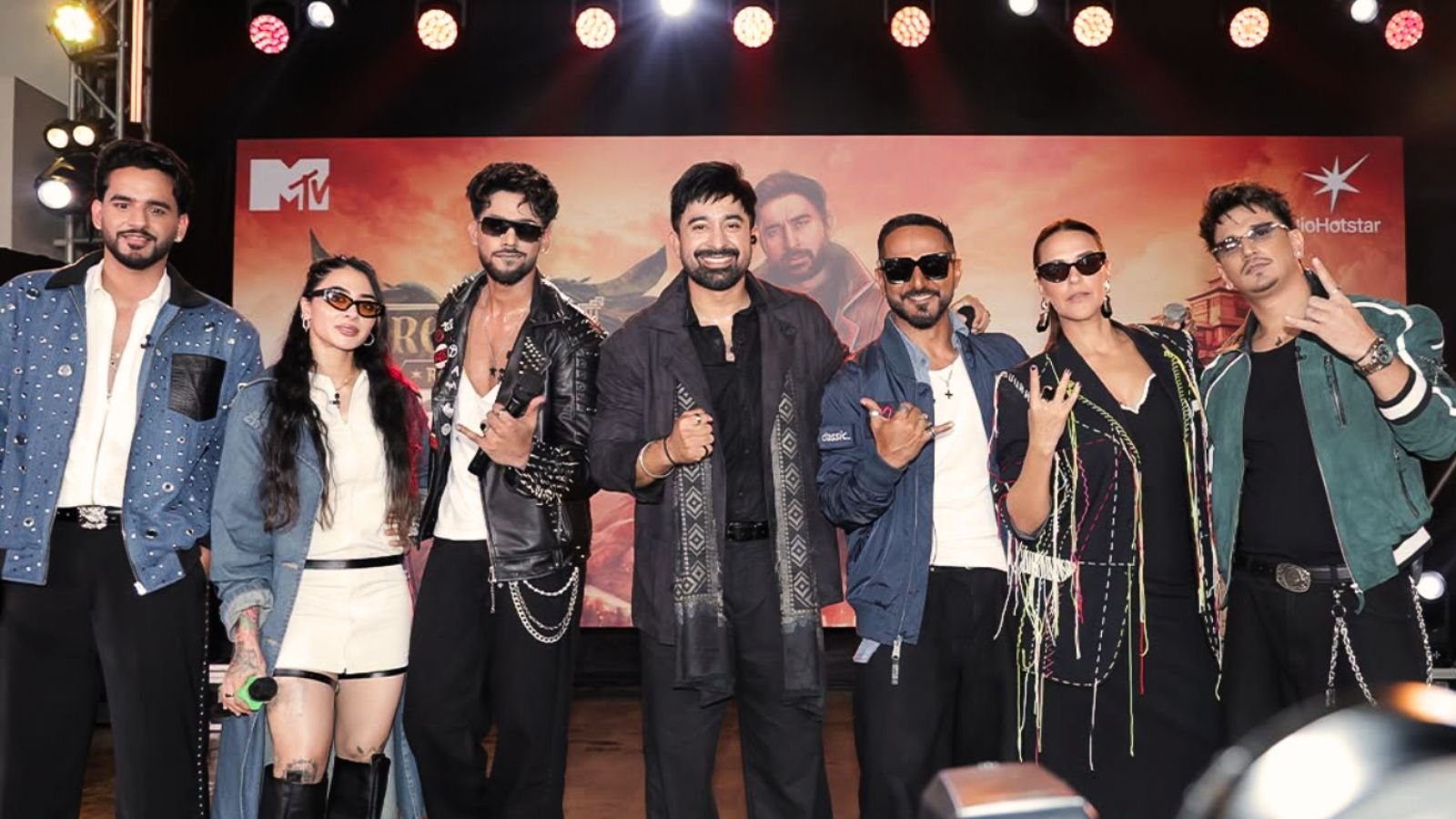
On October 16, 2026, the 21st season of the franchise, titled Roadies Rebirth, officially premiered. Hosted by returning veteran Rannvijay Singha, the season introduces a high-stakes “OGs vs NewGs” format. But the real action is not happening on the dirt tracks; it is happening on the balance sheets.
Behind the screaming matches and physical tasks lies a highly sophisticated, multi-million-dollar advertising ecosystem. By streaming simultaneously across multiple digital heavyweights, the show has become the ultimate customer acquisition vehicle for modern brands.
Here is a reverse inverted pyramid breakdown of the streaming economics behind Roadies Rebirth, how hyper-local Delhi-NCR viewership is driving ad spend, and the interactive marketing playbook your startup needs to steal.
The Foundation: The ₹18 Crore Streaming Pivot
To understand the business value of this season, you must first look at the distribution strategy. Traditional television viewership is no longer sufficient to attract premium D2C advertising budgets.
In a massive industry shakeup, Netflix reportedly struck an estimated ₹18 crore deal to secure streaming rights alongside JioHotstar. By dual-streaming the show on both platforms, the media conglomerates have effectively cornered the entire youth and young-professional demographic. (This mirrors the broader corporate chess match we analyzed in our breakdown of how Netflix and JioHotstar are redefining OTT profitability).
Netflix gains access to a fiercely loyal, established Indian television property to boost its local engagement. Meanwhile, JioHotstar leverages its massive ad-supported user base to monetize the viewership through high-ticket brand integrations. For Delhi-NCR startups looking to deploy their Q4 marketing budgets, this dual-platform availability ensures that their product placements hit both the premium, ad-free subscriber and the mass-market consumer simultaneously.
The Audience Acquisition Masterclass: OGs vs NewGs
To understand why this season is a commercial juggernaut, founders must look at the casting through the lens of Customer Acquisition Cost (CAC). The show abandoned its traditional format for a massive generational divide, pitting legacy stars against digital-first powerhouses. This is not just television drama; it is a calculated corporate merger of two entirely different demographics.
- The Nostalgia Trap (The OGs): The return of veteran host Rannvijay Singha anchors a legacy lineup featuring Neha Dhupia, Prince Narula, and Nikhil Chinapa. This roster is engineered to recapture the millennial demographic—viewers who grew up with the original television format and now possess the disposable income required to maintain premium Netflix subscriptions.
- The Digital Funnel (The NewGs): The real strategic genius lies in casting YouTube sensation Abhishek Malhan (Fukra Insaan), alongside fitness icon Bani J and reality veteran Baseer Ali. Casting Malhan is an algorithmic acquisition. With his massive, hyper-loyal YouTube and Instagram follower base, the streaming platforms aren’t just hiring a contestant; they are instantly siphoning millions of Gen Z users directly onto their servers.
By framing the season as “OGs vs NewGs,” the producers have manufactured a brilliant tribal conflict. Malhan’s digital followers will aggressively tune in to watch their internet idol challenge the established TV veterans like Prince and Neha. This demographic clash guarantees daily social media virality, prolonged viewer retention, and staggering watch-time metrics—the exact KPIs JioHotstar needs to justify its premium ad rates and Netflix needs to prevent subscriber churn.
The Local Hook: Why Gurugram Startups Should Care
A major rule of D2C advertising is that hyper-local representation drives regional engagement spikes. The current season heavily features talent drawn directly from the National Capital Region, turning local screens into high-converting advertising zones.
During the audition phases, local contestants triggered massive bidding wars among the Gang Leaders. Preet, a contestant hailing from Gurgaon, received a unanimous six-buzzer response from the leaders. The final selection also brought in Rhythm from New Delhi and Soumya Yadav from Greater Noida.
For founders who are currently slashing burn rates and optimizing digital ad spends, this heavy NCR representation guarantees a dedicated regional viewership. When locals are on screen, regional search traffic and watch-time metrics soar, creating the perfect localized window for targeted digital ad campaigns.
The Actionable Playbook: Swiggy’s Interactive Integration
The days of simply slapping a logo on a reality show obstacle course are over. The true business lesson of Roadies Rebirth is how leading tech companies are building interactive, in-app experiences around the show’s intellectual property.
Swiggy recently executed a brilliant partnership with JioHotstar and MTV to create a dedicated “Roadies Rebirth Menu”. Rather than just running passive video ads, Swiggy embedded the reality show’s ecosystem directly into its app, similar to the experiential strategies we are seeing with the Zomato District app expansion.
- Search Optimization: Swiggy enabled over 50 distinct search keywords tied to the show to drive food discovery.
- Gamification: The app features a real-time scoreboard that actively amplifies the “OGs vs NewGs” battle vibes, aligning the user’s dining experience with the competitive spirit of the series.
This is the exact strategy Delhi-NCR founders must study. If your D2C brand is attempting to capture the lucrative 18-to-35 demographic, passive advertising is dead capital. You must find ways to gamify your product, tying your user experience directly to the cultural moments dominating their streaming screens.
