
The Compliance Breakthrough: How OpenAI’s India Servers Just Unlocked Enterprise AI for Gurugram
For the past three years, B2B SaaS founders operating out of Cyber City and Udyog Vihar have faced a massive, frustrating bottleneck in enterprise sales. While they could build brilliant AI-powered software, pitching those tools to legacy Indian banks, healthcare giants, and government bodies often ended at the compliance desk. Because AI models processed data offshore, integrating them violated strict domestic data localization mandates and the Digital Personal Data Protection (DPDP) Act.
Today, that barrier was permanently shattered.
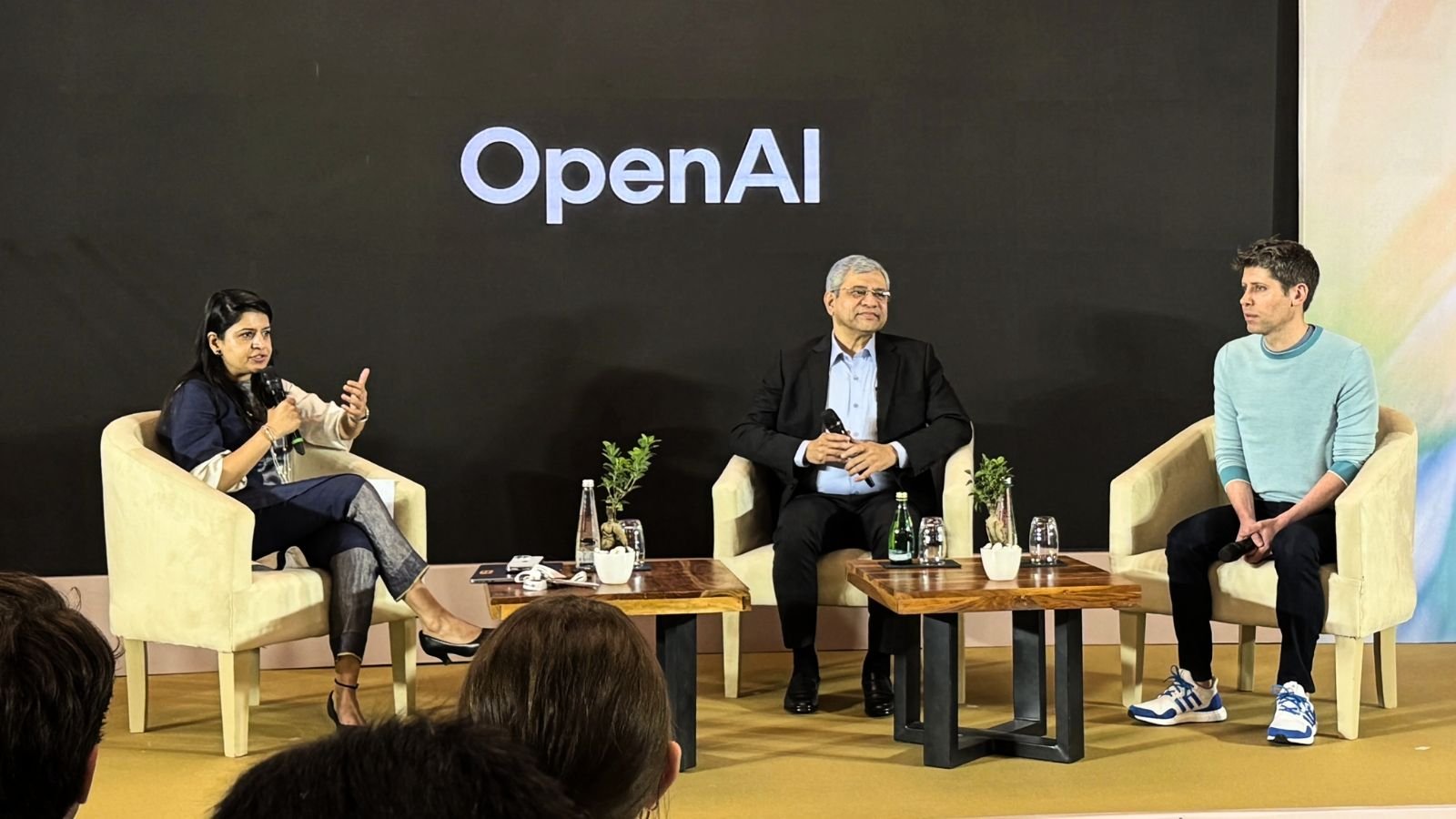
In a massive strategic pivot, OpenAI officially announced that it has begun processing API requests and running AI inference locally within India. For Delhi-NCR startups, this is not just a technical update; it is the ultimate green light for enterprise expansion.
Here is your executive briefing on how OpenAI’s localization fundamentally changes the B2B sales playbook for regulated sectors.
1. Dismantling the Data Sovereignty Wall
The core of today’s announcement focuses on OpenAI’s GPT-6 Luna model. For supported workloads, both the processing of the API request and the actual model computation that generates the response will now take place entirely on Indian soil.
Nitin Bawankule, OpenAI’s Head of Enterprise for India, noted that this local inference addresses a “practical barrier to adoption” by giving businesses total control over where their workloads run. For Gurugram-based fintech and insurtech startups, this changes everything.
Previously, if you built an AI-driven underwriting tool or a patient-data summarization engine, selling it to institutions like Medanta or HDFC required complex workarounds like stripping all personal identifiers before routing data to the US. Now, local startups can route regulated records directly through OpenAI’s localized API endpoints, drastically accelerating the enterprise procurement cycle.
2. The Tata Group Infrastructure Advantage
This localized processing did not happen overnight. It is the direct result of the massive 100MW infrastructure foundation OpenAI laid earlier this year in partnership with Tata Group and TCS HyperVault.
While the market is currently distracted by Nvidia’s ongoing supply chain and leadership crisis, OpenAI has quietly secured the sovereign hardware required to scale in the subcontinent. By leveraging Tata’s massive data centers, OpenAI ensures enterprise-grade latency and security.
For Gurugram startups, this means you can build your core architecture on OpenAI’s localized stack with confidence, knowing the physical infrastructure is anchored by India’s most established corporate conglomerate.
3. The 2027 B2B Sales Mandate
If your startup operates in the B2B space, your Q1 2027 pitch deck must be updated immediately.
Enterprise clients who previously rejected generative AI integration due to data export fears no longer have an excuse. However, this also means the competitive moat has vanished. If your startup relies on slashing burn rates to optimize basic digital workflows, you must now actively reinvest that saved capital into aggressive enterprise sales.
- The Action Plan: Audit your current API projects. Ensure your developers migrate your regulated workloads to the new India-specific endpoints to guarantee zero offshore processing.
- The Pitch: Lead your next enterprise sales meeting not with your AI’s capabilities, but with its compliance. Emphasize that your product now utilizes 100% locally processed, sovereign AI infrastructure.
Today’s announcement shifts the AI narrative in India from a regulatory headache to a localized, scalable reality. For the tech leaders of Delhi-NCR, the waiting period is over. It is time to deploy.
