
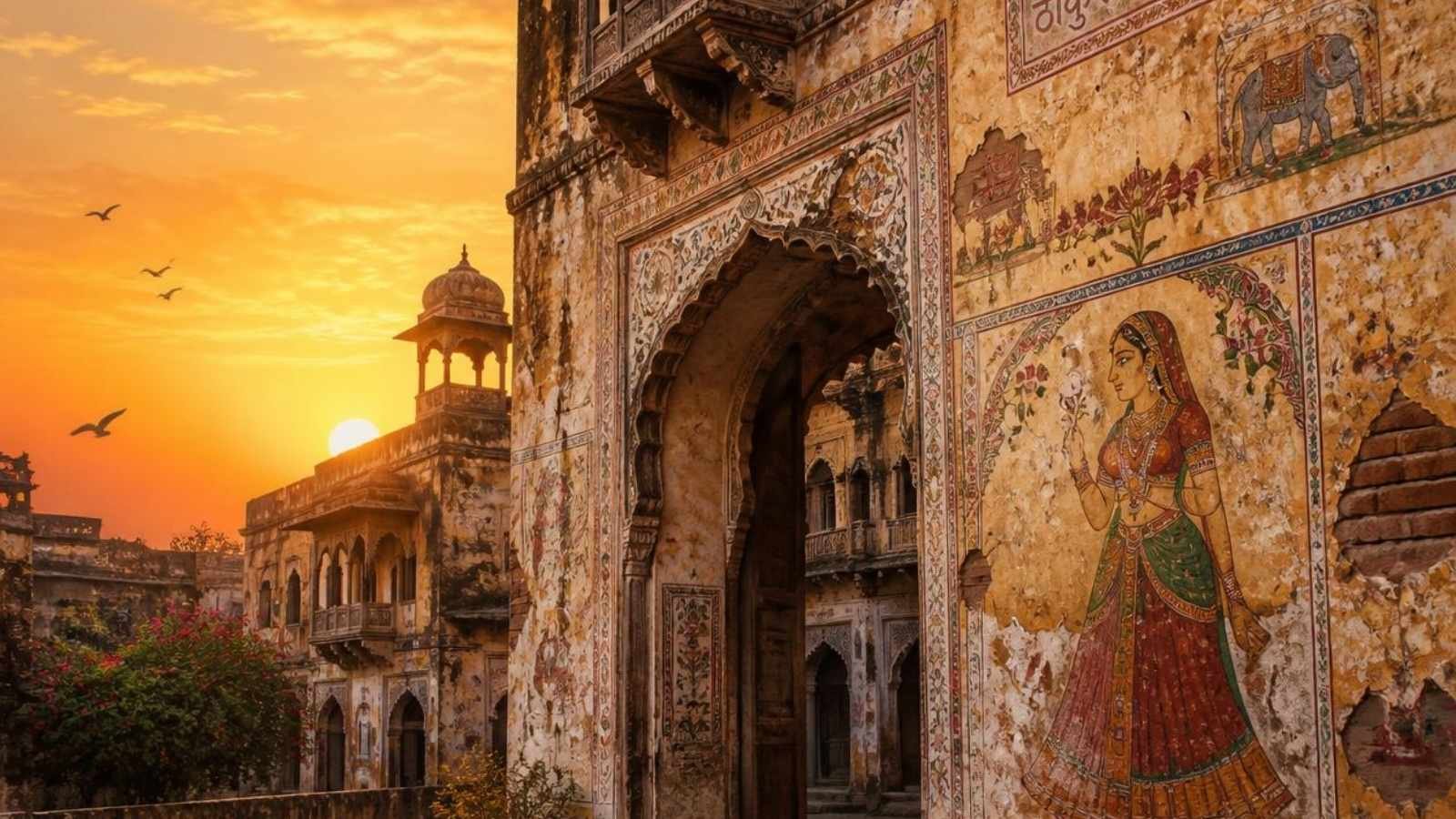
Delhi’s Historic Havelis and Colonial Estates Set for Commercial Transformation
Historic properties across the national capital—ranging from Mughal-era havelis in the Walled City to colonial-era bungalows in Lutyens’ Delhi and Civil Lines—are poised for a major architectural revival. Under the draft Master Plan for Delhi 2047 (MPD-2047), statutory authorities are introducing an adaptive reuse framework that allows heritage structures to be converted into boutique hotels, offices, libraries, museums, and performance venues.
The policy shift aims to rescue aging architectural landmarks from decay by enabling owners to generate sustainable commercial revenue while preserving the structural integrity and historical character of their assets.
Adaptive Reuse and the Financial Incentive Mechanism
For decades, property owners across Old Delhi faced severe financial and regulatory hurdles when attempting to maintain centuries-old structures. Strict preservation rules often limited commercial viability, leading to structural neglect or unauthorized alterations. The MPD-2047 framework addresses this dilemma by introducing a direct economic mechanism: an incentive Floor Area Ratio (FAR) of 50.
Under guidelines administered by the Delhi Development Authority, this incentive FAR will be granted through Transferable Development Rights (TDR) certificates. Owners can utilize or trade these certificates in designated expansion zones across the National Capital Region. However, TDR certificates will only be issued after statutory bodies confirm that necessary restoration and structural repairs have been completed without diminishing the building’s historical value.
| Heritage Zone / District | Key Architectural Style | Permitted Adaptive Uses | Conservation Safeguards |
| Walled City (Shahjahanabad) | Mughal-era havelis, courtyard mansions, timber arches | Boutique guest houses, craft centers, cafes, libraries | Heritage impact assessment, fire safety upgrades, structural stabilization |
| Lutyens’ Bungalow Zone | Colonial neo-classical bungalows, expansive lawns | Diplomatic offices, corporate headquarters, socio-cultural spaces | Strict height restrictions, skyline preservation, exterior facade preservation |
| Civil Lines Bungalow Area | Early 20th-century British residential architecture | Heritage hotels, art galleries, private clubs, executive suites | Low-density maintenance, green space conservation, structural restoration |
| Archaeological Parks | Sultan Garhi, Mehrauli, Tughlaqabad, Northern Ridge | Interpretive centers, open-air cultural spaces, eco-museums | Buffer zone enforcement, non-invasive visitor infrastructure |
Revitalizing Shahjahanabad into a 24×7 Cultural Destination
The Walled City of Shahjahanabad—anchored by Chandni Chowk—forms the centerpiece of the urban rejuvenation initiative. To transform Old Delhi into a pedestrian-friendly commercial hub, the master plan mandates the relocation of polluting industrial units, chemical trades, and heavy wholesale godowns to compatible industrial zones outside the historic core.
Local municipal bodies, including the [suspicious link removed], will enforce strict anti-encroachment measures, clear unauthorized street vending, and convert high-traffic corridors into walkable zones. By establishing small museums, reading rooms, performance spaces, and heritage eateries, urban planners aim to foster an active 24×7 cultural economy. Connecting these historic precincts with seamless transit networks will also boost overall Delhi heritage tourism hubs.
Regulatory Oversight and Structural Safeguards
While adaptive reuse opens lucrative real estate avenues, statutory bodies will maintain rigorous conservation checks. The policy covers protected, unprotected, listed, and non-listed heritage structures. Before any conversion begins, owners must undergo a mandatory Heritage Impact Assessment conducted in consultation with organizations such as the Indian National Trust for Art and Cultural Heritage.
Municipal bodies will set up dedicated heritage cells to monitor ongoing maintenance. Property owners who fail to maintain structural standards or alter historic facades risk losing commercial operation permits and incurring financial penalties.
As urban density increases, integrating eco-friendly retrofits and maintaining urban air quality standards will remain central to these adaptive projects. By blending commercial incentives with architectural preservation, Delhi’s historic core—stretching from the bustling bazaars surrounding historic venues like the Red Fort to the manicured avenues of Civil Lines—is set to enter a dynamic new era of urban living.
