
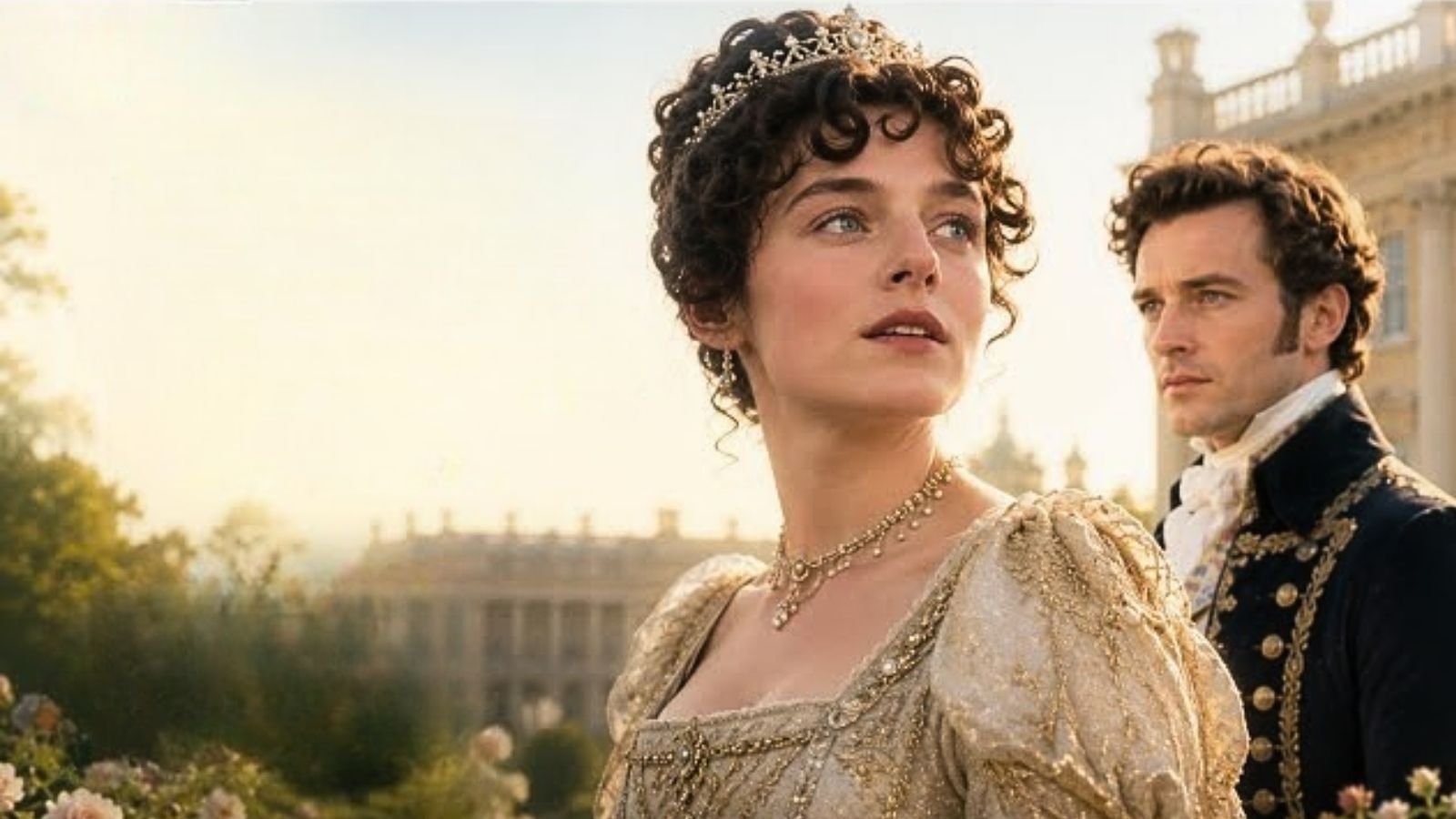
The Economics of Old Money: Why Netflix’s 2026 ‘Pride and Prejudice’ is the Ultimate Executive Watch
While modern tech founders obsess over venture capital valuations and Series B funding rounds, the fundamental rules of legacy wealth preservation have remained unchanged for centuries. On December 3, 2026, Netflix will release its highly anticipated, six-part adaptation of Jane Austen’s Pride and Prejudice, starring Emma Corrin and Olivia Colman.
For the average viewer, this is a premium holiday romance. For the corporate executives and high-net-worth individuals of Delhi-NCR, it is a masterclass in the original “old money” power dynamics: asset consolidation, reputational crisis management, and the ruthless socio-economic networking required to secure a family’s financial future.
As the streaming giant continues to dominate the winter market—following its deep dive into sovereign authority with The Empress Season 3 and luxury PR with Emily in Paris—this new adaptation strips away the glossy fantasy of Bridgerton to reveal the harsh, transactional realities of historical high society.
Here is an executive breakdown of the economic themes driving the 2026 adaptation, the powerhouse cast behind it, and where Delhi’s elite can recreate this legacy atmosphere over the weekend.
The Bennet Dilemma: A Crisis of Asset Diversification
At its core, Pride and Prejudice is a story of catastrophic financial vulnerability. The Bennet family estate is legally “entailed” away from the female heirs, meaning Mr. Bennet’s death will leave his wife and five daughters entirely devoid of liquid capital and real estate assets.
In modern corporate terms, the Bennets are a heavily leveraged company operating with zero cash runway and a flawed succession plan. Their only available survival strategy is high-stakes M&A (Mergers and Acquisitions)—which, in 19th-century England, translates to marrying into established generational wealth.
The contrast between the Bennets’ financial desperation and Mr. Darcy’s untouchable, diversified wealth (generating £10,000 a year, the equivalent of millions in modern passive income) highlights a brutal economic truth. Access to capital dictates societal power. The social maneuvering orchestrated by Mrs. Bennet is not merely maternal meddling; it is aggressive, high-stakes networking designed to save her stakeholders from total bankruptcy.
The 2026 Adaptation: Gritty Realism Meets Powerhouse Talent
Unlike the hyper-stylized, pastel-drenched aesthetics of recent historical fiction, Netflix’s 2026 adaptation—helmed by an award-winning British production team—promises a more grounded, historically accurate portrayal of rural English economics and social hierarchy.
- The Casting Coup: The casting of Emma Corrin (known for their Emmy-nominated portrayal of Princess Diana) brings a sharp, deeply intelligent edge to the notoriously independent Elizabeth Bennet. Meanwhile, industry veteran Olivia Colman steps into the role of the domineering, hyper-critical Lady Catherine de Bourgh. Colman’s portrayal is expected to be a terrifying, brilliant depiction of how the ultra-wealthy gatekeep their ecosystems to prevent new money and lower-tier families from entering their tax brackets.
- The Visual Storytelling: Just as we noted the weaponized corporate tailoring in our analysis of Amazon India’s corporate RTO restructuring, the wardrobe in this series functions as a strict social hierarchy. The fabrics, the maintenance of the sprawling estates, and the modes of transit serve as immediate, visual balance sheets for every character on screen.
Networking in Lutyens’ Delhi: Recreating the Legacy Experience
The high-society balls depicted in Pride and Prejudice were the original networking summits—exclusive arenas where alliances were forged, reputations were traded, and capital was secured.
Today, that exact same high-stakes networking occurs in the heritage spaces of the National Capital Region. For executives looking to dissect the show’s socio-economic themes over the weekend, navigating the capital requires a touch of old-world sophistication.
If you are trying to escape the severe GRAP Stage III winter smog gripping the city, you must bypass the crowded, modern tech hubs of Gurugram and retreat into the heavily filtered, pristine environments of Lutyens’ Delhi. To successfully capture the regal, unhurried atmosphere of a 19th-century estate, book a table for high-tea at these iconic institutions:
1. The Atrium (The Imperial, Janpath)
The Imperial remains the undisputed crown jewel of legacy wealth in New Delhi. The Atrium’s famous afternoon high-tea service, featuring tiered silver stands, clotted cream, and an exhaustive global tea menu, offers an atmosphere of quiet, undisputed authority. It is the perfect environment for founders and investors to negotiate term sheets away from the frantic energy of Cyber City.
2. Ye Old Bakery (The Claridges, APJ Abdul Kalam Road)
For a slightly more intimate but equally prestigious setting, The Claridges offers a masterclass in colonial-era charm. Their heritage bakery and surrounding lounges provide a discreet, highly secure environment favored by diplomats, senior advocates, and media moguls. It is the ultimate backdrop for discussing high-level corporate strategy while indulging in classical European patisserie.
The Verdict: The Strategy of Social Capital
Netflix’s 2026 Pride and Prejudice is a vital reminder that long before LinkedIn, social capital and reputational management were the most valuable assets a person could possess. As Delhi-NCR executives prepare their own Q1 2027 networking strategies, this December 3 release offers a brilliant, entertaining study in how to navigate closed-door ecosystems and secure a seat at the most exclusive tables.
Ensure your vehicle is fully BS-VI compliant before heading into New Delhi this weekend to avoid the strict civic penalties currently enforced at the borders.
