
The Energy Balancing Act: India’s Record Push in Renewables Meets Rising Grid Demands
India’s rapid economic growth and increasing electricity demand are creating a highly complex, dual-track energy landscape. In a milestone moment for global climate action, wind and solar power surpassed coal generation in the worldwide electricity mix for the first time last year. This historic shift was driven heavily by massive renewable rollouts in India and China.
However, to secure its immediate economic momentum and protect citizens from extreme weather, India is simultaneously expanding its traditional energy baseload to keep the power grids stable.
A Global Milestone for Wind and Solar
According to recent data from the energy think tank Ember, India is leading the developing world in renewable energy expansion. The country recently recorded a landmark year, adding 37.9 GW of solar and 6.3 GW of wind capacity—both record highs.
This surge in clean energy infrastructure was largely responsible for helping global wind and solar power finally surpass coal generation. As domestic solar capacity continues to grow rapidly, it is successfully helping to offset what would otherwise be a much steeper climb in fossil fuel reliance.
Why Coal Production is Still Expanding
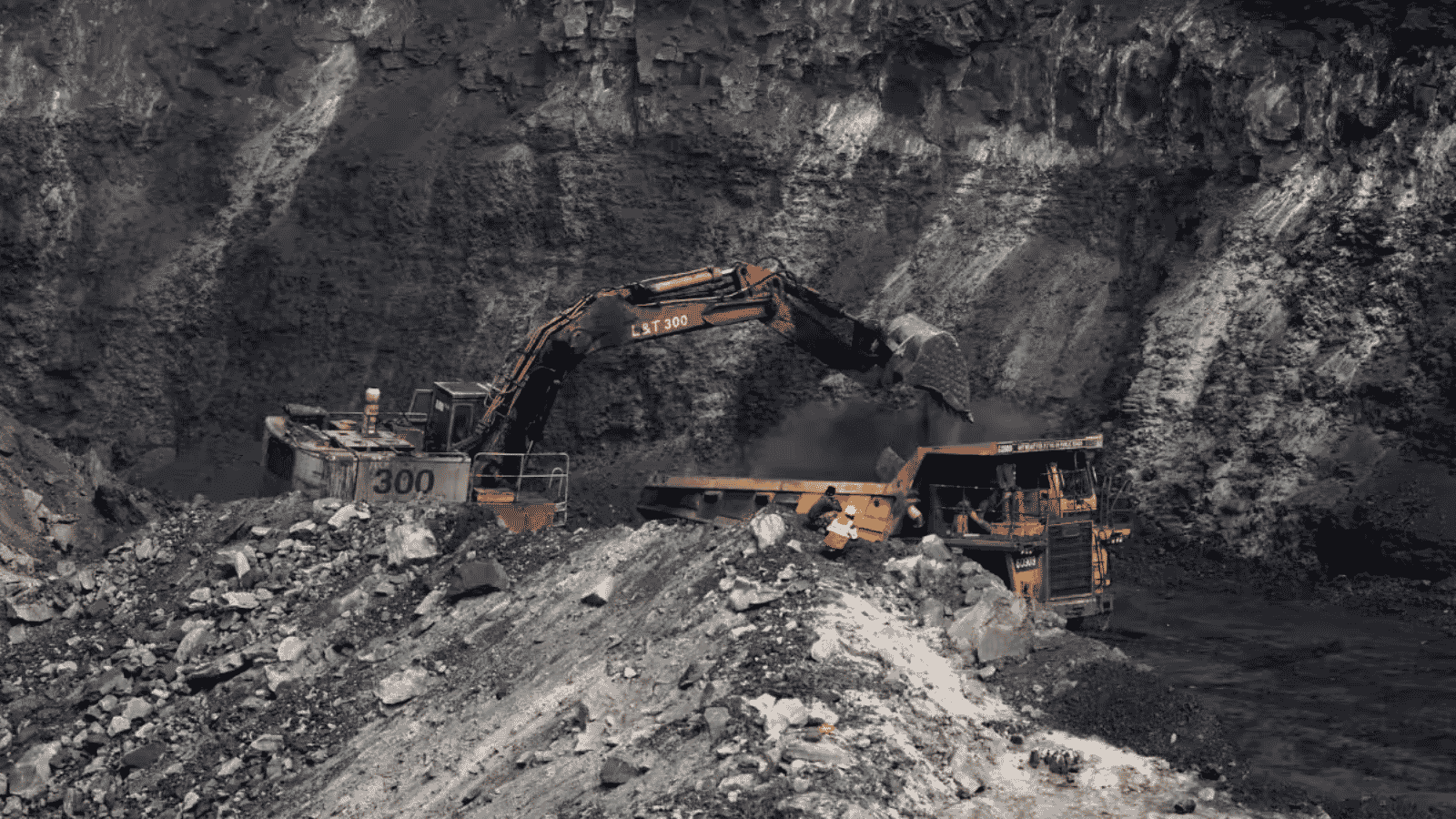
Despite this massive green energy rollout, India’s immediate energy needs require parallel growth in traditional power generation. A new report by the NGO Global Energy Monitor (GEM) highlights that India is planning to increase its coal production by nearly 100 million tonnes, reaching a target of 1.15 billion tonnes in the 2025-26 fiscal year.
The production surge is primarily driven by state-level expansions in Jharkhand and Odisha under national coal targets. Much like recent developments in inter-state resource allocation, balancing regional industrial production with central energy goals requires close federal coordination.
The rationale behind this short-term expansion is strictly operational. India’s rapid industrialization and severe seasonal heatwaves place an unprecedented load on the grid. While renewable capacity expands, managing baseload thermal generation remains tightly linked to broader national air quality and emissions challenges across the country.
- Extreme Heatwaves: India has faced increasingly severe and frequent heatwaves, which place unprecedented strain on the national power grid due to cooling demands.
- Economic Boom: Rapid industrialization and a booming national economy require a stable, uninterrupted base-load power supply that current battery-storage technology cannot yet support alone.
Quick Reference: India’s Dual-Track Energy Strategy
| Energy Sector | Current Trajectory | Primary Driver |
| Renewable Energy (Solar & Wind) | Record-breaking capacity additions (37.9 GW Solar in recent tracking) | Long-term climate goals, energy independence, and cost-efficiency |
| Traditional Baseload (Coal) | Target of 1.15 billion tonnes of production by 2025-26 | Immediate grid stability, managing extreme heatwaves, and fueling economic growth |
The Economic Transition
While global coal mine proposals slowed in the years following the pandemic, India’s recent output increase reflects the stark realities of navigating a transition economy.
As Tiffany Means, a senior researcher at Global Energy Monitor, noted, the long-term economic rationale for expanding fossil fuels will become progressively weaker as low-cost clean energy continues to scale. However, for a rapidly developing nation like India, managing the immediate transition requires balancing future sustainability with today’s critical infrastructure needs.
By simultaneously breaking records in solar installations and securing its immediate power baseload, India is navigating one of the most ambitious and complex energy transitions in the world.
