
India’s Blueprint for Women: The Trillion-Rupee Shift in Housing, Tech, and Financial Independence
The socio-economic landscape of India is undergoing a massive, structural transformation. From the farmlands of rural districts to the rapidly expanding urban centers, government policies are no longer simply focused on basic welfare—they are aggressively targeting independent wealth creation for women.
As the country continues its journey toward making gender equality a reality by 2030, the latest updates to major empowerment frameworks highlight a deliberate shift. Through the aggressive expansion of the Lakhpati Didi program, the high-tech NaMo Drone Didi initiative, and the strict gender mandates of the Pradhan Mantri Awas Yojana Urban 2.0 (PMAY-U), India is executing a trillion-rupee transfer of technological power and real estate directly into the hands of women.
The Lakhpati Didi Revolution: Scaling to 3 Crore Households
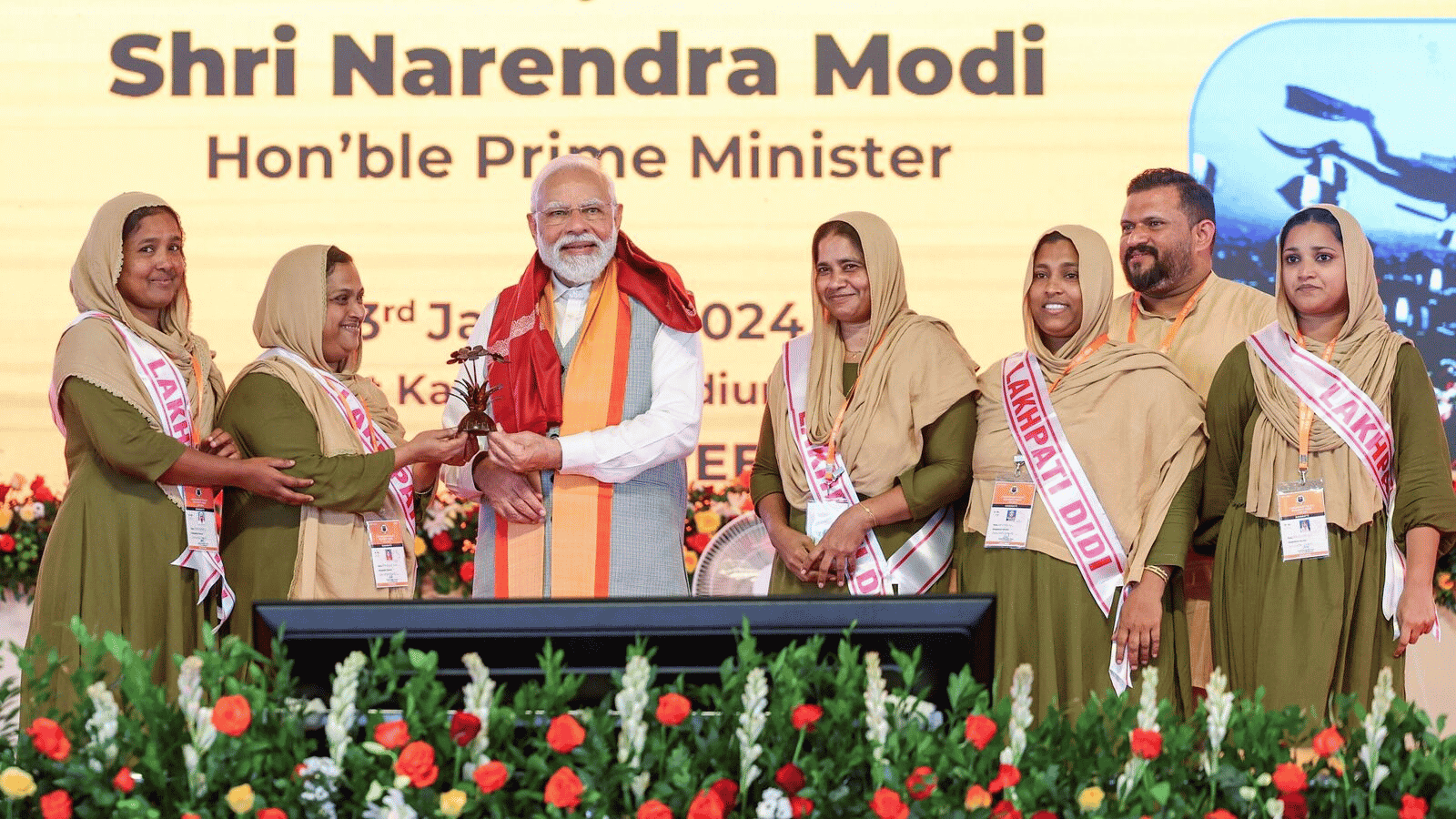
At the heart of India’s rural economic strategy is the Deendayal Antyodaya Yojana-National Rural Livelihoods Mission (DAY-NRLM), which drives the flagship Lakhpati Didi scheme. The initiative has a singular, clear goal: to assist women in Self-Help Groups (SHGs) in earning a sustainable, independent annual household income of at least ₹1 lakh.
The success of the program has been staggering. Having already assisted over 1 crore women in crossing this financial threshold, the government has recently expanded the target to uplift a total of 3 crore women to “Lakhpati” status.
This is not a traditional handout. The program operates as a national entrepreneurship campaign. Millions of SHG members are being trained via local community resource persons in specialized, high-demand skills. By focusing on credit linkage, market access, and financial literacy, the initiative is creating a generation of women of substance breaking barriers and redefining village economies from the ground up.
NaMo Drone Didi: Putting Tech in the Hands of Farmers
While the Lakhpati Didi scheme tackles broad entrepreneurship, the NaMo Drone Didi initiative is focused on a specific, high-value technological disruption in the agricultural sector.
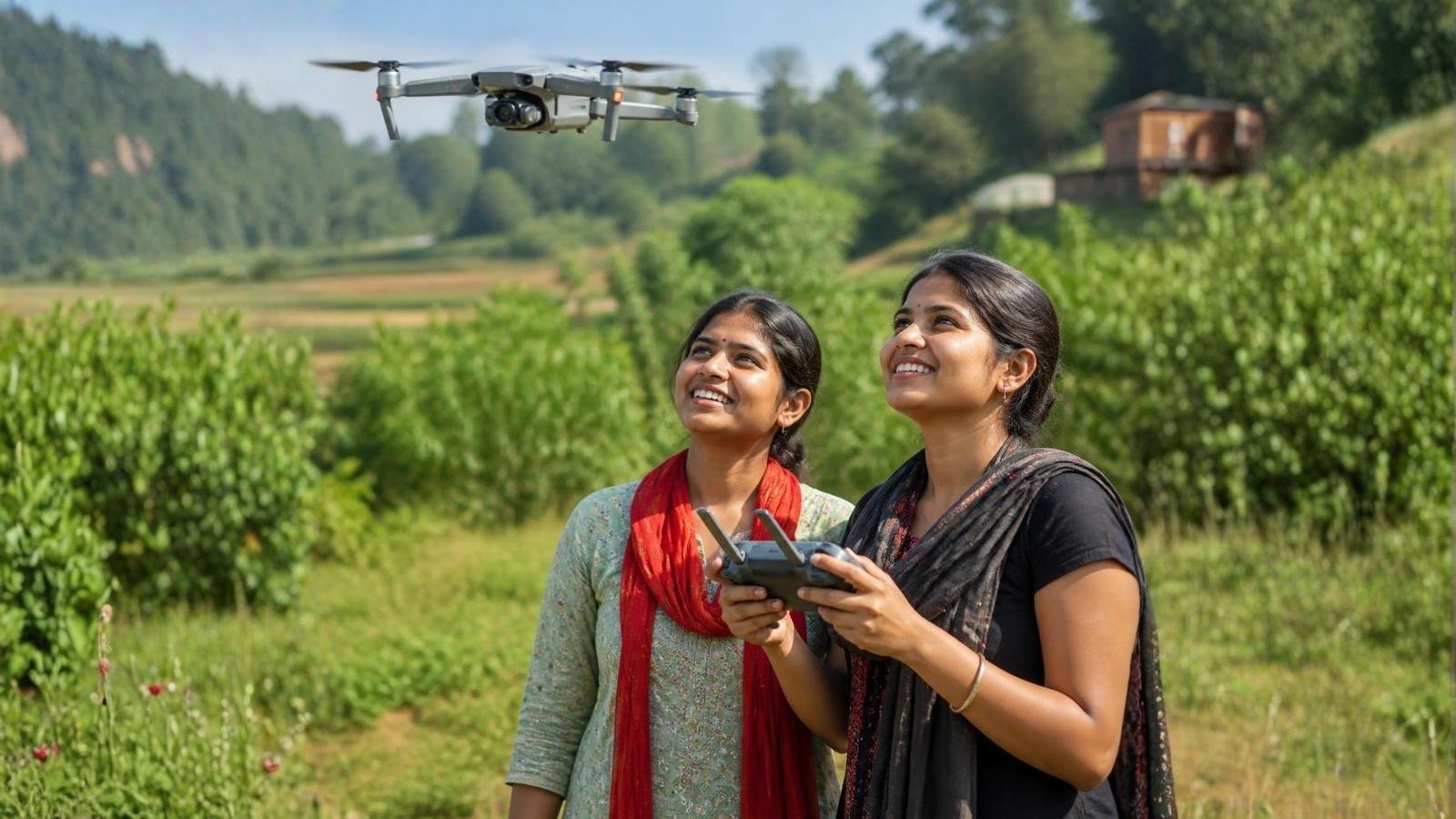
Farming in India is highly labor-intensive, and the cost of crop maintenance can heavily impact seasonal profit margins. The NaMo Drone Didi scheme equips women-led SHGs with state-of-the-art agricultural drones. These women are trained as certified drone pilots and operators.
Once trained, the SHGs rent out their drone services to local farmers for the precision spraying of liquid fertilizers and pesticides. This accomplishes three critical things simultaneously:
- It significantly lowers farming costs and chemical waste through precision agriculture.
- It boosts modern tech adoption in deeply rural areas.
- It provides a highly lucrative, modern revenue stream exclusively operated by local women.
The Urban Wealth Transfer: The PMAY-U 2.0 Mandate
While rural initiatives focus on income generation, urban policies are driving long-term generational wealth. Real estate remains the foundation of financial security in India, yet historically, property titles have been overwhelmingly held by men.
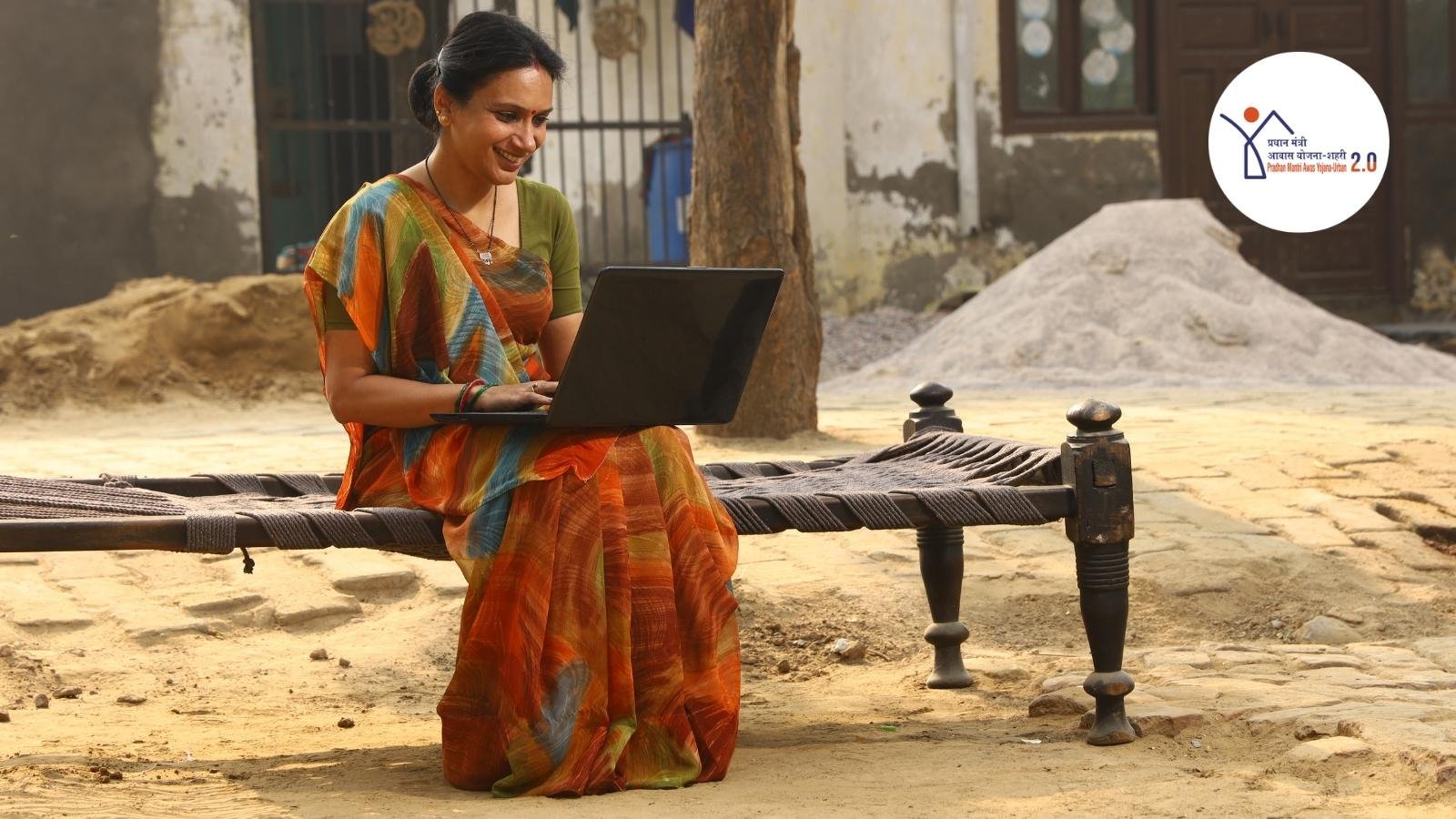
To bridge this asset gap, the Government of India launched the Pradhan Mantri Awas Yojana-Urban 2.0 (PMAY-U 2.0) on September 1, 2024. This is a massive 10 lakh crore rupees mission designed to provide central housing assistance to 1 crore urban poor and middle-class families over five years.
Core Mandates and Income Eligibility
PMAY-U 2.0 provides central financial assistance of up to 2.50 lakh rupees per housing unit for eligible families who do not own a permanent (pucca) house anywhere in the country. The mission covers three primary income tiers:
- Economically Weaker Sections (EWS): Annual household income up to 3 lakh rupees.
- Low Income Groups (LIG): Annual household income between 3 lakh and 6 lakh rupees.
- Middle Income Groups (MIG): Annual household income between 6 lakh and 9 lakh rupees.
The 4 Implementation Verticals
The mission operates across four flexible execution frameworks to meet diverse urban housing needs:
- Beneficiary-Led Construction (BLC): Direct financial assistance for individual house construction on self-owned land.
- Affordable Housing in Partnership (AHP): Collaborative housing projects built in partnership with public or private agencies.
- Affordable Rental Housing (ARH): Purpose-built rental housing options for urban workers, migrants, and students.
- Interest Subsidy Scheme (ISS): Subsidized home loan interest rates routed through designated lending institutions.
The Gender-Led Ownership Priority
A non-negotiable pillar of PMAY-U 2.0 is social prioritization. Special preference is given to widows, single women, senior citizens, persons with disabilities, and SC/ST/minority communities.
Crucially, houses constructed or acquired under the scheme must be owned or co-owned by the female head of the household. Administrative tracking highlights the profound impact of this policy, showing that 96% of urban housing allotments under PMAY-U 2.0 are registered directly in the names of women beneficiaries. Holding a property title provides women with leverage for business loans, safeguards against displacement, and secures a lasting asset for future generations.
Expanding the Financial Safety Net: Pensions and Micro-Credit
Beyond active entrepreneurship and real estate, securing the baseline financial safety net for elderly, widowed, and disabled women remains a massive federal priority.
Central and state pension frameworks are leaning entirely into Direct Benefit Transfers (DBT). By mandating that financial assistance and pension grants go directly into Aadhaar-linked, verified bank accounts, the system effectively eliminates local middlemen and corruption.
Bridging the Digital Trust Gap
For younger entrepreneurs, ongoing support via the Pradhan Mantri Mudra Yojana offers collateral-free micro-loans up to ₹10 lakh. Similarly, the Stand-Up India Scheme continues to provide greenfield enterprise loans to women looking to start their first manufacturing or service businesses.
However, rapid financial inclusion comes with its own modern hurdles. As millions of first-time female borrowers enter the digital banking space, building cybersecurity awareness is paramount. Recent data shows that urban Indian women and digital finance trust remain a complex issue, with many remaining wary of third-party financial apps. Addressing these digital literacy gaps will be the next critical phase for government implementation agencies.
Quick Reference: 2026 Core Empowerment Initiatives
| Scheme / Initiative | Target Demographic | Core Mechanism & Impact |
| Lakhpati Didi | Rural SHG Members | Skill training and market linkage to ensure a minimum ₹1 lakh annual household income. Target expanded to 3 crore women. |
| NaMo Drone Didi | Rural SHG Members | Equipping women with agricultural drones to rent out for precision farming, creating new high-tech rural revenue streams. |
| PMAY-U 2.0 | Urban Lower/Middle Income | Mandating that subsidized urban housing must be registered in the name of the female head of the family. |
| Direct Benefit Transfers (DBT) | Elderly & Widowed Women | Direct routing of state and federal pensions into Aadhaar-linked bank accounts to eliminate financial leakage. |
By intertwining property rights, technological proficiency, and sustained financial independence, India is moving away from the era of passive welfare. Instead, these integrated policies are laying down a robust, trillion-rupee foundation where women are the primary drivers of the nation’s future economic growth.
