
The Bittersweet Reality of ‘Bittu Tabahi’: A 20-Year-Old Cleaned a River, But Can He Clean the Mindset?
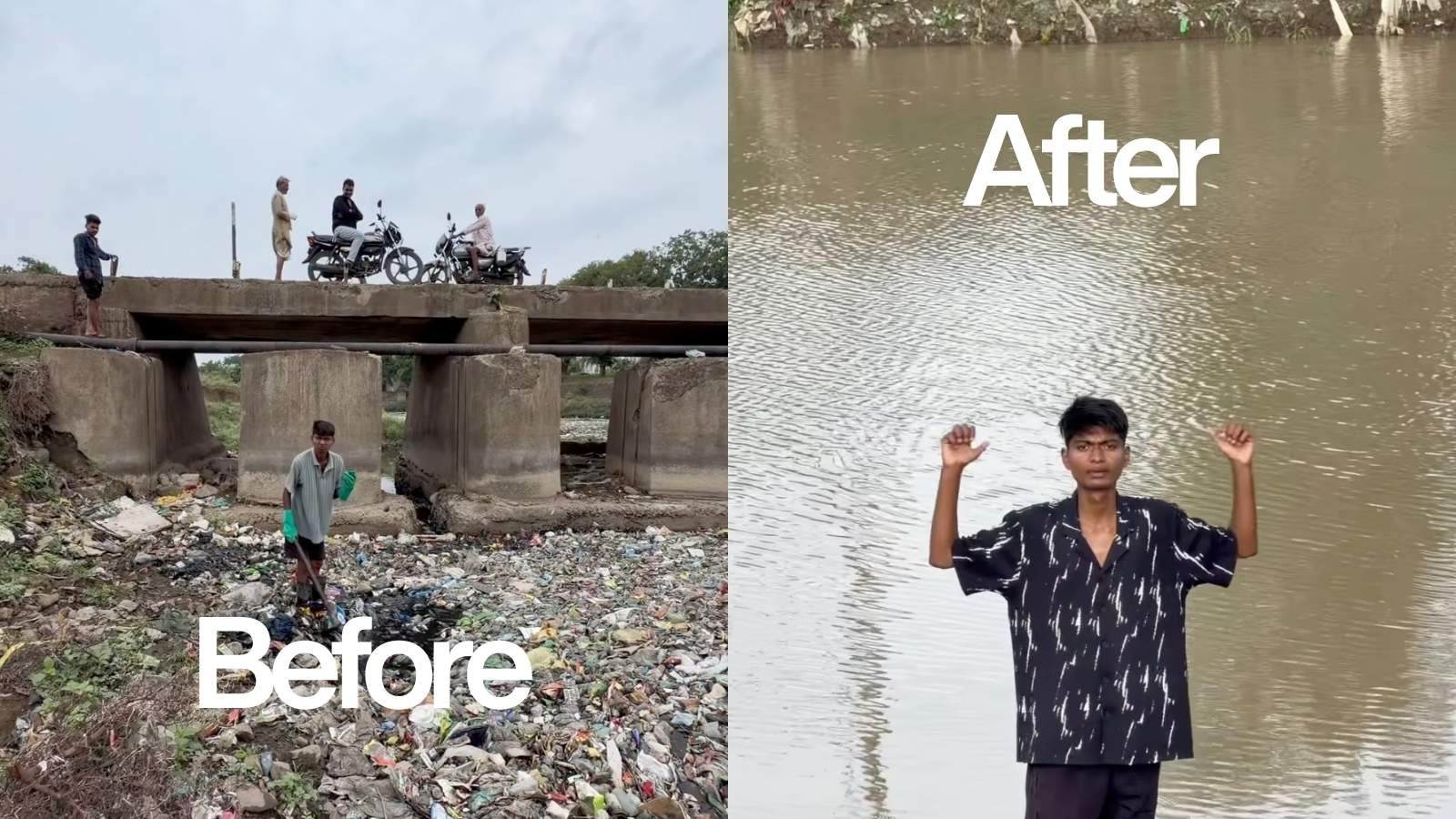
At just 20 years old, BSc student Surendra Singh Choudhary—popularly known across the internet as ‘Bittu Tabahi‘—proved that you don’t need a government budget to spark a revolution. Armed with nothing but basic tools and sheer grit, the young man from Biaora, Madhya Pradesh, stepped into the heavily polluted Ajnar River on Republic Day 2026 and began cleaning it with his bare hands.
His solitary crusade recently went viral, earning him hundreds of thousands of followers and the ultimate praise from industrialist Anand Mahindra, who called Bittu his “#MondayMotivation”.
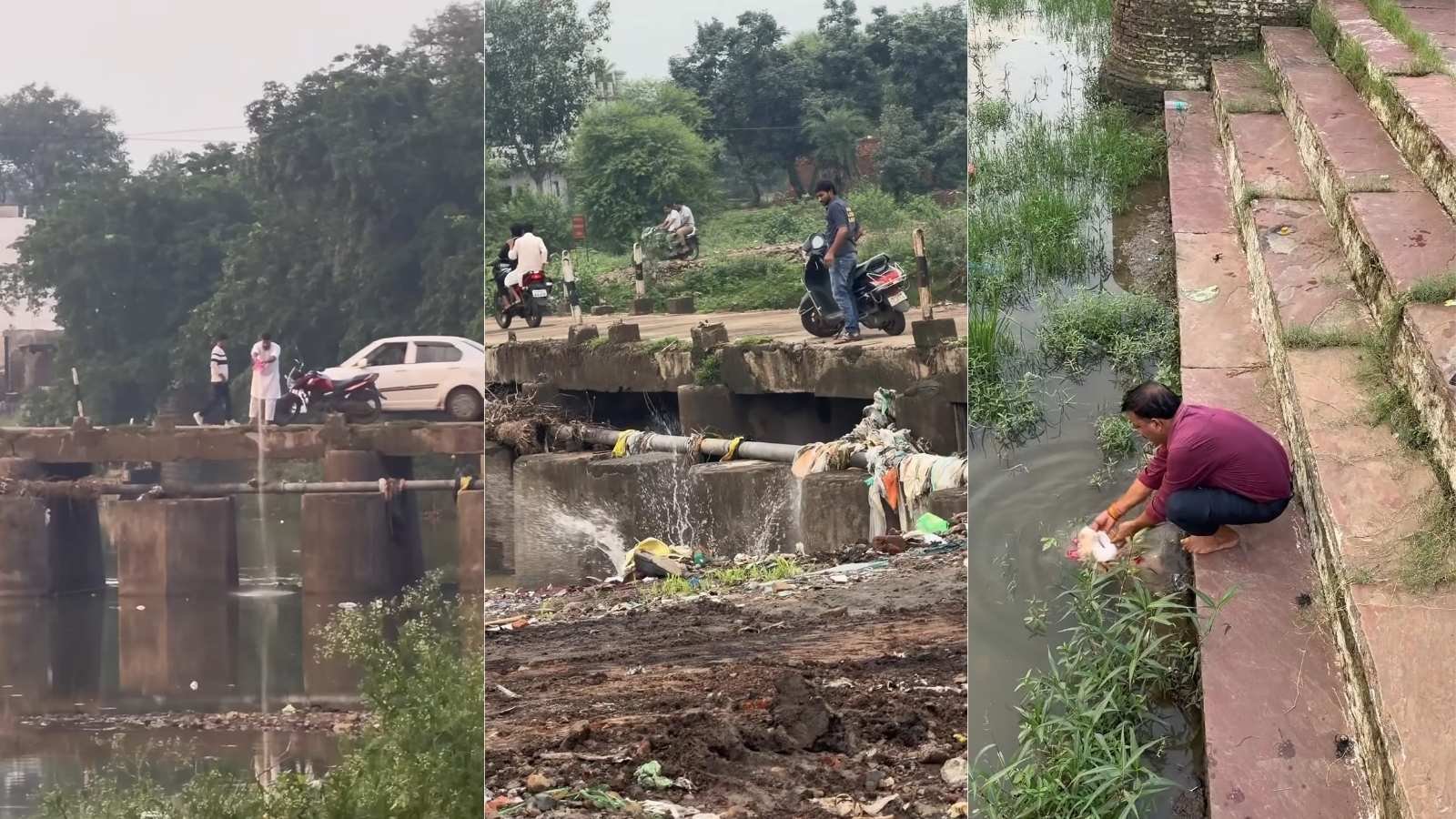
However, behind the viral before-and-after videos lies a harsh, frustrating reality about India’s civic sense: people are already throwing garbage back into the clean water.
“What Should Be Done With These People?”
In a recent, emotionally charged update, Bittu shared his frustration over the public’s lack of responsibility. Spending over Rs 30,000 of his own money and enduring limb infections from the toxic water, he successfully restored the river’s ghats, only to watch locals revert to their old habits.
Speaking directly to his audience in his native Hindi, Bittu stated:
“नदी को साफ करने के बाद फिर से कुछ महान लोग आ जाते हैं इस नदी को गंदा करने के लिए। […] जब मैंने अपनी अंजना नदी को साफ करने का काम start किया था तब हमारी अंजना नदी की हालत कुछ ऐसी होती है और मैं फिर लगातार इस नदी को साफ करता रहा। […] और अब तो लोगों को समझना चाहिए कि एक अकेले इंसान ने नदी को साफ करा है तो उसे गंदा ना करें। और यह मेरे को अकेले की जिम्मेदारी नहीं होती कि मैं नदी को साफ रखूं। यह हम सभी लोगों की जिम्मेदारी होती कि हम नदियों को साफ रखें और आप लोग comment करके बताएं जो नदी में कचरा फेंककर जा रहे हैं उन लोगों को क्या करना चाहिए?”
Translation:
“Some ‘great’ people have come back to dirty this river again after it was cleaned. […] When I started the work, the condition of our Anjana river was like this, and I continuously kept cleaning it. […] People need to understand that if a single person has cleaned the river, they shouldn’t dirty it. Keeping the river clean is not my responsibility alone; it is the responsibility of all of us. Please comment and tell me, what should be done with the people who come and throw garbage in the river?”
The Solo Mission That Forced Official Action
Bittu’s journey was far from easy. When he began the cleanup in January, a few friends joined him, but they quickly dropped out as the grueling, filthy reality of the work set in. Choosing to continue alone, Bittu spent two to three months per ghat, manually pulling out suffocating plastic waste, toxic algae, and decades of neglected debris.
Initially, his efforts were met with severe skepticism. Cynics accused him of staging the cleanup for “social media views,” and some even claimed his striking before-and-after footage was AI-generated.
Industrialist Anand Mahindra quickly shut down the critics, sharing Bittu’s videos with a powerful message: “We usually complain that social media rewards the trivial rather than the meaningful. So if a desire for ‘likes’ can become a force for good, that’s fine with me.”
More importantly, Bittu’s relentless solo effort finally woke up the local administration. The Biaora Municipal Corporation eventually stepped in to support him, deploying heavy JCB and Poclain excavators to assist with the deep-set debris. The municipality is now proposing a Rs 14.77 crore Sewage Treatment Plant (STP) to stop the five large drains from discharging wastewater into the Ajnar.
The Bigger Message for India’s Youth
Following in the inspiring footsteps of Anand Malligavad: The Guardian of Lakes, we have found another exceptional changemaker in Surendra Singh Choudhary (Bittu Tabahi). India desperately needs more relentless eco-warriors to step into the murky waters, but raw passion can only stretch so far. This is a golden opportunity for a powerful Public-Private-Citizen Partnership. It is time for local authorities to transition from merely offering passive praise to actively funding, equipping, and institutionalizing the blueprints created by these individual changemakers. By doing so, they can turn a one-man crusade into a lasting, nationwide victory.
However, behind the viral before-and-after videos lies a complex reality about our civic infrastructure: without proper municipal waste disposal systems in place, some locals are already throwing garbage back into the clean water. This frustrating setback proves that cleaning a river isn’t just about changing mindsets—it’s about building better systems to support them.
