
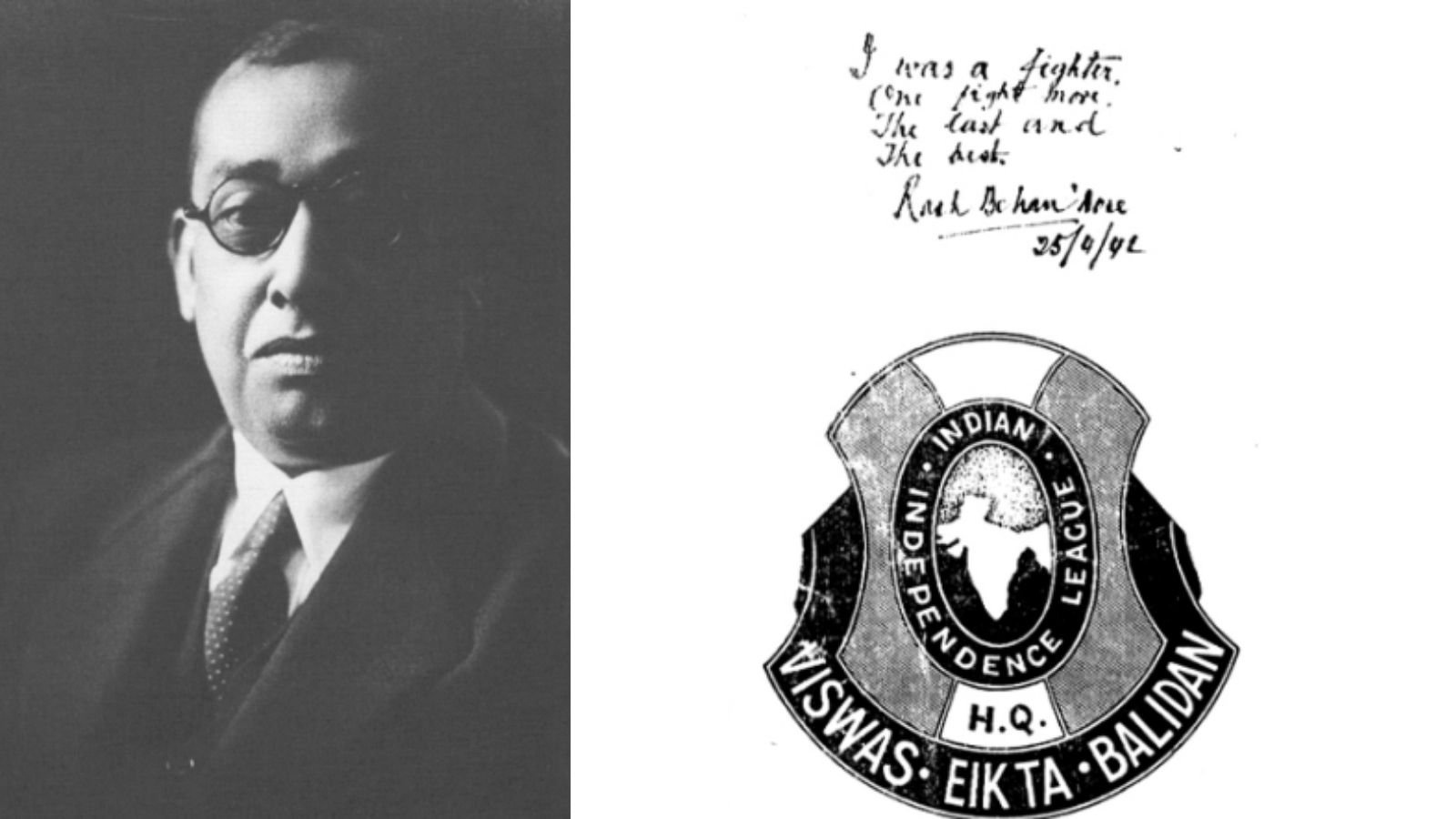
Remembering Rash Behari Bose: The Unsung Architect of the Indian National Army
When we talk about the Indian National Army (INA) or Azad Hind Fauj, Netaji Subhash Chandra Bose is often the first name that comes to mind. But before Netaji assumed command, it was another visionary Bengali revolutionary—Rash Behari Bose—who laid the groundwork in 1942 and handed over a fully functional revolutionary movement.
Despite his central role in the Ghadar Mutiny and the Indian independence movement abroad, history has largely overlooked this revolutionary icon.
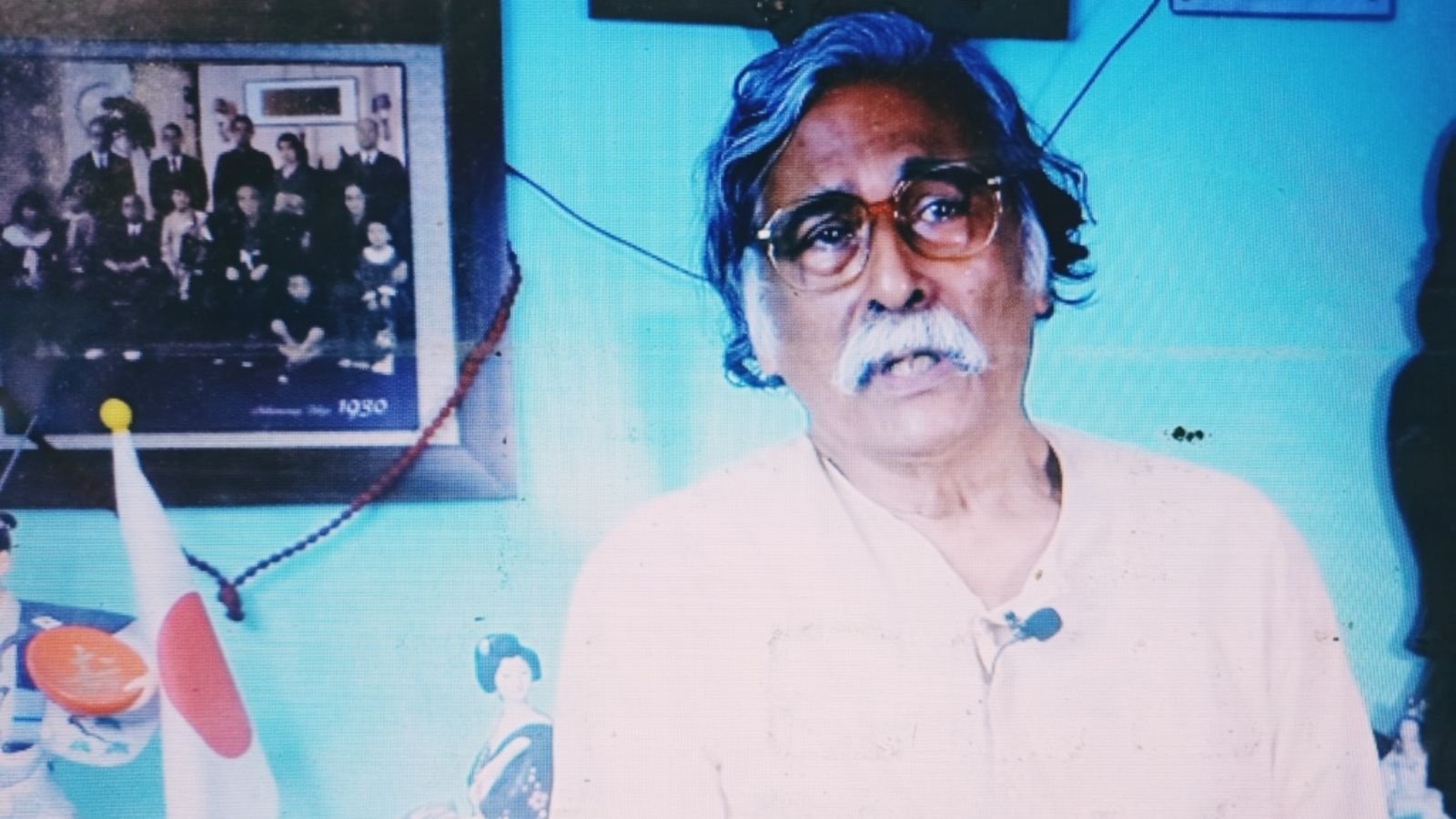
On his legacy, Kalyan Chakraborty, Director of the Rashbehari Research Institute (RRI) in Chandannagore, West Bengal, shares why India must remember its forgotten heroes.
The Visionary Behind the Movement
“People in India know and remember Netaji, but they have forgotten about Rash Behari Bose—the man who was instrumental in the formation of the INA, the very army the British were terrified of,” says Kalyan Chakraborty.
Born in the Burdwan district of West Bengal on May 25, 1886, Rash Behari Bose possessed an unwavering commitment to liberating India. After orchestrating a daring assassination attempt on British Viceroy Lord Hardinge in 1912, Bose was forced into exile. In 1915, disguised as “Priyanath Thakur”—a fictitious cousin of Rabindranath Tagore—he fled to Japan.
Building the Groundwork for Freedom in Japan
During World War I, Bose acted as a primary organizer of the Ghadar Revolution. In Japan, alongside fellow revolutionary A.M. Nair, he successfully lobbied the Japanese government to back Indian freedom fighters operating in East Asia.
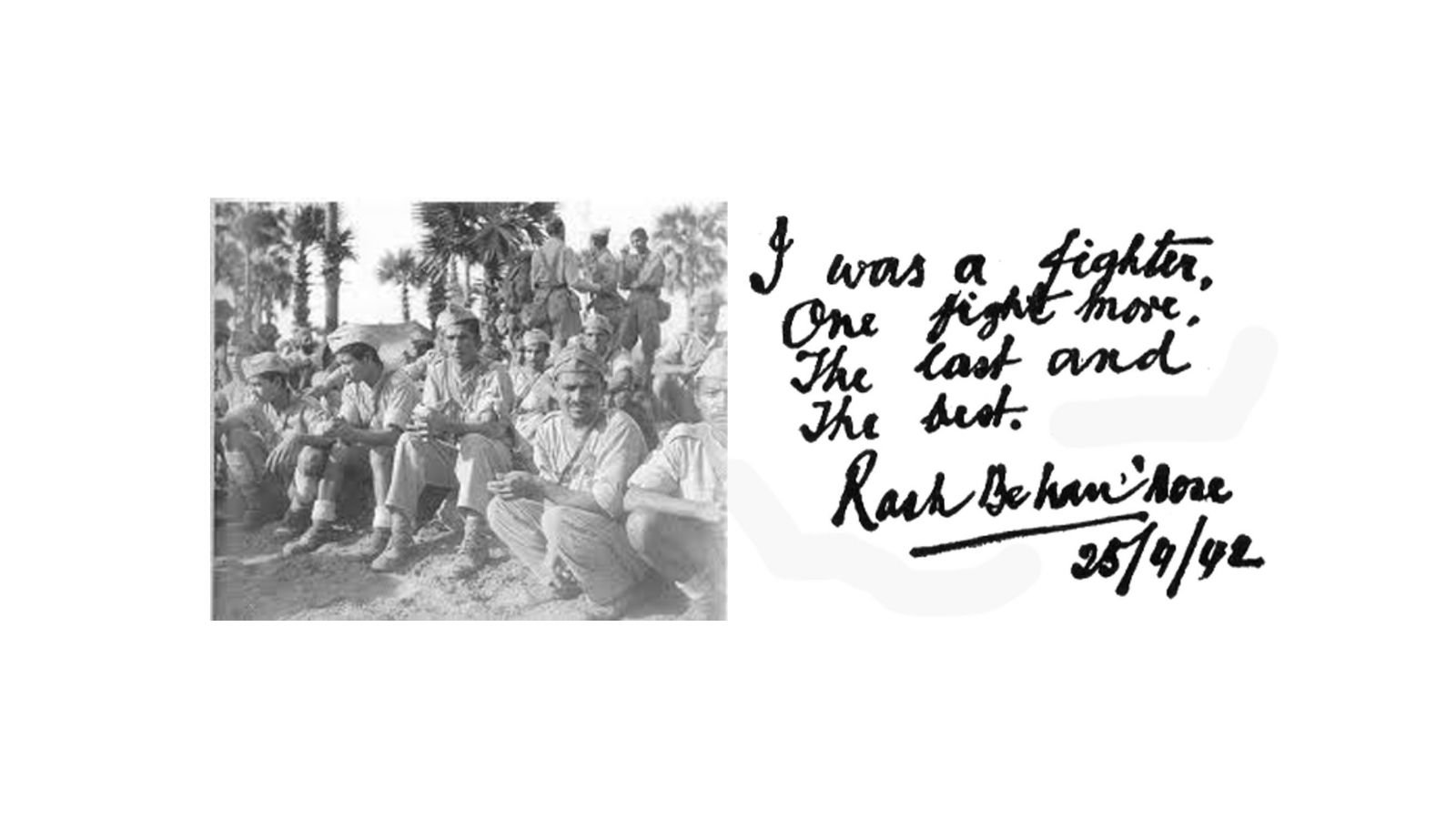
“He was the chief architect of the INA,” Chakraborty explains. “Bose had kept his eye on a young leader for 14 years. That leader turned up in Tokyo from Germany via submarine—it was Netaji Subhash Chandra Bose. Rash Behari met him at a hotel in Tokyo and officially handed over leadership of the INA.”
Love and Sacrifice: The Soma Family Connection
While in exile, Bose found sanctuary with the influential Soma family in Tokyo. He married Toshiko Soma, who stood by him despite facing social ostracization in Japan for marrying a foreign revolutionary.
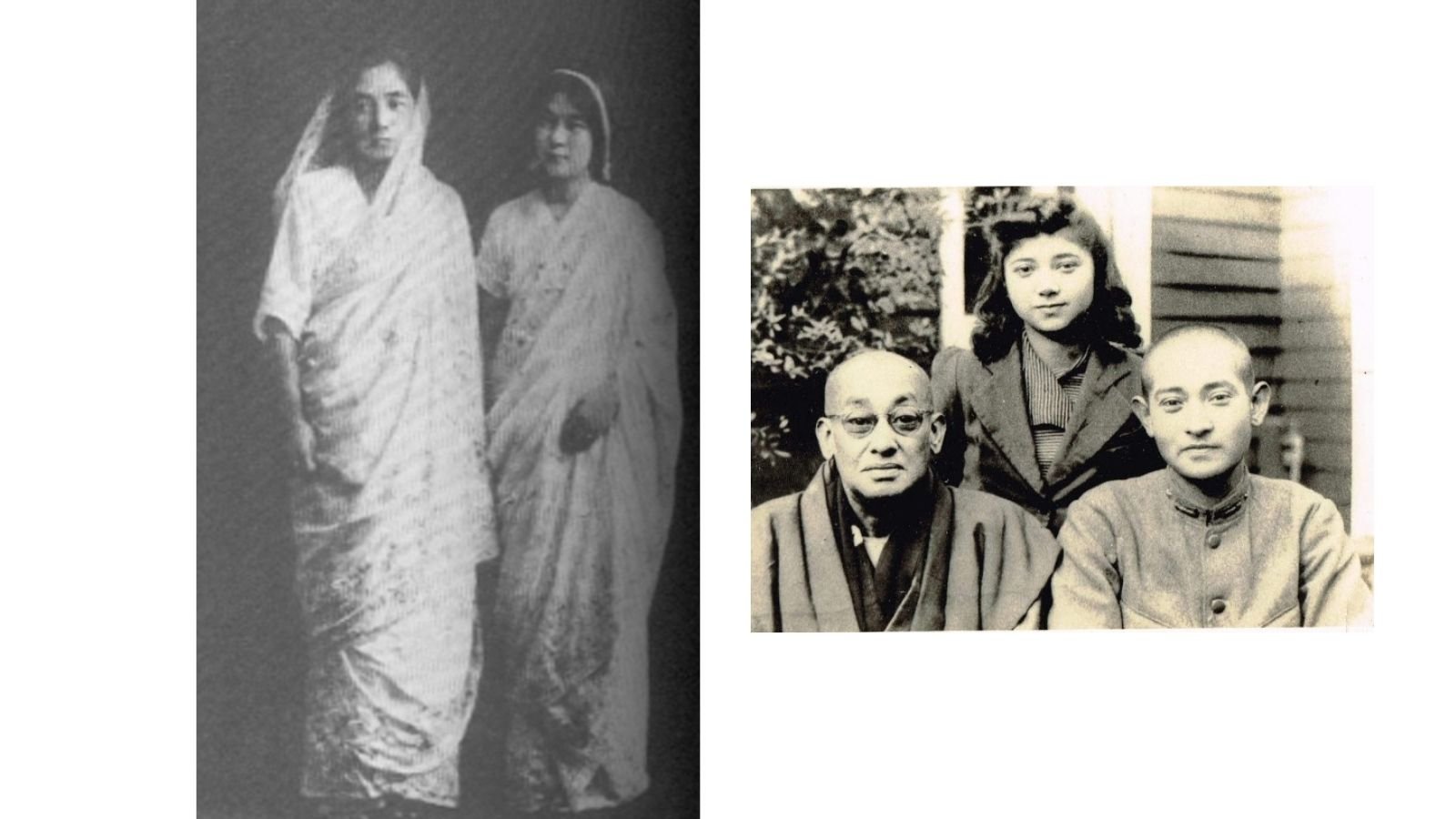
Their tragic love story lasted eight years until Toshiko’s premature death in 1924. Bose raised their two children while continuing his revolutionary work, never remarrying.
A Lasting Legacy Across Borders
Rash Behari Bose lived in Japan until his death on January 21, 1945, at age 58. Recognizing his extraordinary impact, the Japanese government awarded him the Order of the Rising Sun (2nd Class)—the highest civilian honor granted to a foreigner. In 1967, the Indian Posts and Telegraphs Department issued a commemorative postage stamp in his honor.
Today, the Rashbehari Research Institute in Chandannagore actively translates Bose’s Japanese writings into Indian languages and preserves his personal artifacts retrieved from Tokyo.
“Bose devoted 29 years on Indian soil and the rest of his life abroad to the cause of Indian freedom,” concludes Chakraborty. “It is essential that we know and honor our true heroes.”
