
Delhi-NCR H1N1 Surge 2026: Swine Flu Cases Climb, Health Advisory Issued, and Vaccine Realities
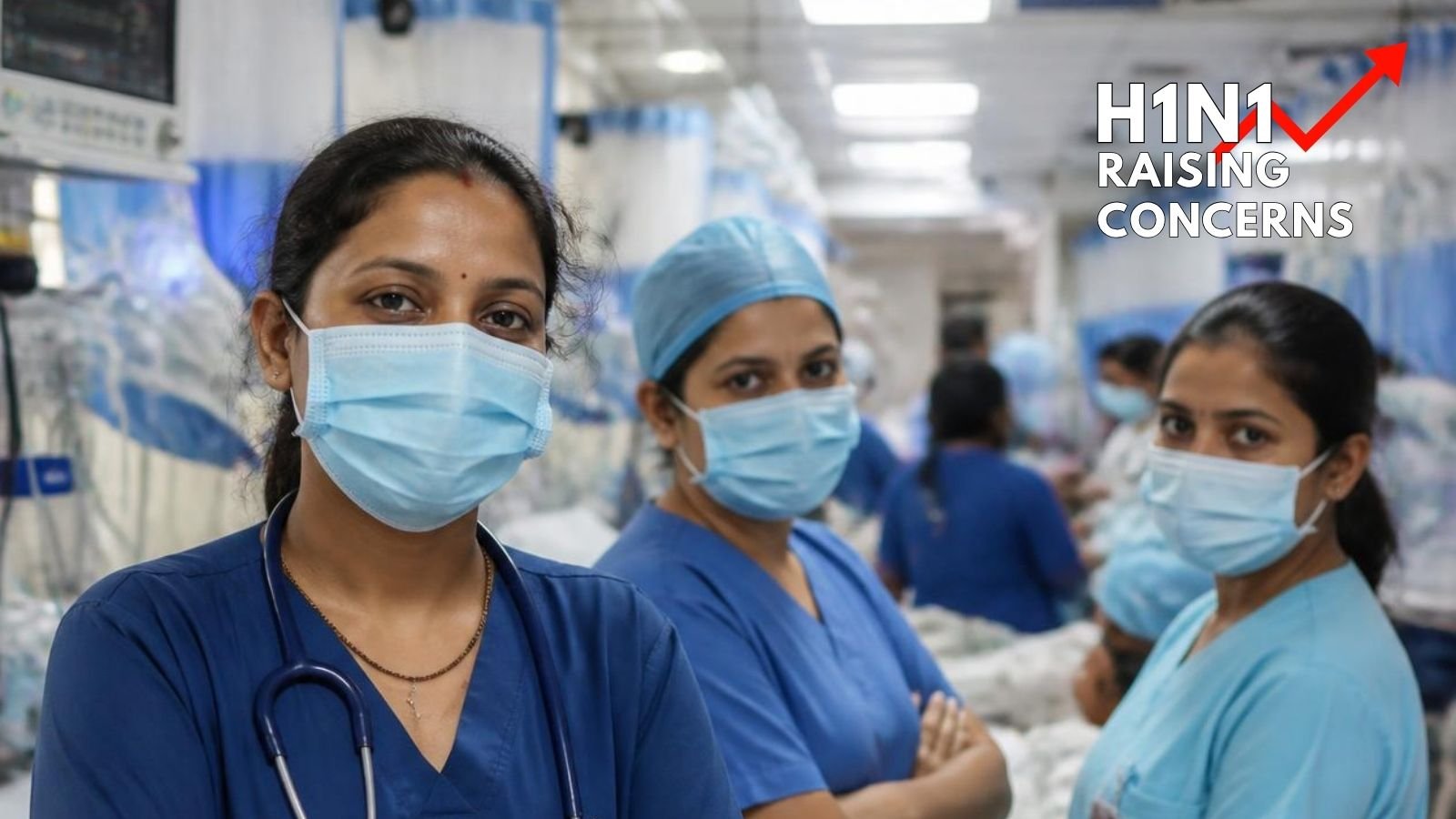
Delhi and the National Capital Region (NCR), including Gurugram, are experiencing a severe, sixfold surge in H1N1 (swine flu) cases this monsoon season compared to last year. With Delhi’s confirmed tally crossing 1,777 cases—alongside a heavy influx of patients presenting with prolonged viral infections in Gurugram—the government has issued a public health advisory urging residents to exercise strict respiratory hygiene.
While federal and state health authorities have reviewed hospital readiness, ensuring beds and isolation wards are prepared, citizens are navigating significant information gaps on the ground.
The Vaccine Reality Gap: What You Need to Know
Official government advisories strongly urge citizens to get vaccinated annually, but a major point of confusion remains regarding access and cost:
- No Free Public Vaccines: The government does not provide free, universal H1N1 vaccines to the general public. Free supplies and institutional allocations are strictly reserved for frontline healthcare workers and high-risk target programs.
- Private Out-of-Pocket Cost: Residents must procure the annual flu shot through private hospitals, clinics, or retail pharmacies, with costs ranging from ₹1,500 to ₹2,500 per dose.
- Immunity Window: It takes roughly 2 to 3 weeks following the injection for the body to build full protective antibodies.
Available Quadrivalent Brands for 2026
Medical practitioners recommend requesting the annual quadrivalent influenza vaccine, which targets four circulating flu strains, including H1N1. Primary brands available across private networks include:
- Influvac Tetra (Abbott)
- Fluarix Tetra (GSK)
- Vaxigrip Tetra (Sanofi)
Navigating Data Gaps: Co-Infections and the “Silent Spread”
Beyond vaccine pricing, families managing the outbreak in Delhi and Gurugram face acute information shortages:
- The Co-Infection Danger: Doctors note a massive rise in “overlapping seasons,” where patients contract H1N1 and Dengue simultaneously. Clear public guidelines on managing fluids and fever during dual infections have been scarce.
- Workplace and School Ambiguity: While general masking advisories are active, transparent, consolidated guidelines regarding corporate sick-leave mandates or criteria for school closures remain unclear.
- The “Silent Spread” & Healthcare Impact: Media reports indicate that healthcare workers and hospital staff in Delhi are testing positive, stretching clinical manpower thin across emergency departments.
As diagnostic laboratories scale up testing protocols—mirroring past public health expansions seen when regional facilities like the DBT-IBSD COVID-19 testing infrastructure were decentralized—timely molecular testing remains vital for accurate treatment.
Health Advisory Issued for Parents and Schools
With official dashboards lacking granular, micro-level advice, search trends across Delhi-NCR reflect urgent daily-life concerns:
- For Parents & Schools: Standard home rapid test kits do not screen for swine flu; a molecular RT-PCR respiratory swab is required. Children running a persistent fever above 100.4°F should remain home until symptom-free for at least 24 hours without fever-reducing medications.
- For Home Care & Logistics: Private diagnostic chains in Gurugram and Delhi offer home sample collection for H1N1 panels. Isolation room daily costs across private hospital chains (such as Medanta, Fortis, and Max) vary widely depending on room categorization.
Viral Comparison Matrix: H1N1 vs. Dengue vs. COVID-19
Because the current monsoon season triggers overlapping outbreaks, distinguishing between these pathogens is critical:
| Feature / Symptom | H1N1 (Swine Flu) | Dengue Fever | COVID-19 |
| Primary Target | Respiratory System | Blood & Joints | Respiratory & Systemic |
| Fever Type | Sudden, very high spike | Severe, continuous high fever | Variable (mild to high) |
| Cough & Throat | Severe dry cough, sore throat | None (rare) | Dry cough, loss of smell/taste |
| Body Aches | Moderate muscle aches | Extreme joint/bone pain (“breakbone”) | Mild to moderate muscle pain |
| Distinct Sign | Runny nose, heavy chest | Pain behind the eyes, skin rashes | Shortness of breath, fatigue |
| Critical Test | Respiratory Swab (RT-PCR) | Blood Test (NS1 Antigen / IgM) | Nasal Swab (RAT or RT-PCR) |
Safe Home-Care Guidelines & Red-Flag Warnings
Managing a viral fever safely requires strict adherence to medication protocols, backed by international health guidelines from agencies like the Centers for Disease Control and Prevention (CDC) and public health literature indexed via the National Institutes of Health (NIH):
- Safe to Use: Paracetamol (Acetaminophen) is the safest choice to manage fever and body aches across all three viral conditions.
- NEVER Give Aspirin: Do not give aspirin to children or teenagers with flu-like symptoms. It can trigger Reye’s Syndrome, a rare but fatal condition causing brain and liver swelling.
- Avoid NSAIDs (Ibuprofen/Combiflam) Without Testing: Avoid ibuprofen, Mobic, or Combiflam until a blood test rules out Dengue. In dengue patients, NSAIDs thin the blood and can induce severe internal bleeding.
- Skip the Antibiotics: H1N1, Dengue, and COVID-19 are viral infections. Antibiotics are ineffective against them and risk inducing adverse gastrointestinal side effects or resistance.
Emergency Warning Signs (When to Hospitalize)
Bypass home care and seek immediate medical evaluation at an emergency room if a patient exhibits:
- Breathing Distress: Severe shortness of breath, rapid wheezing, or persistent chest pain.
- Oxygen Drop: SpO2 levels dropping below 93% on a home pulse oximeter.
- Neurological Changes: Confusion, extreme drowsiness, or unresponsiveness.
- Dengue Warning Signs: Persistent vomiting, bleeding from gums or nose, or sudden extreme physical weakness.
Major Healthcare Facilities for Consultation & Testing
- Gurugram Hubs: Medanta – The Medicity (Sector 38); Fortis Memorial Research Institute (Sector 44); Max Hospital (Sushant Lok 1).
- Delhi Hubs: Indraprastha Apollo Hospitals (Sarita Vihar); Sir Ganga Ram Hospital (Rajinder Nagar); Max Super Speciality Hospital (Saket).
