
India International Trade Fair (IITF): The Ultimate Insider Guide to Tickets, Free Passes, Parking, and Secret Hacks
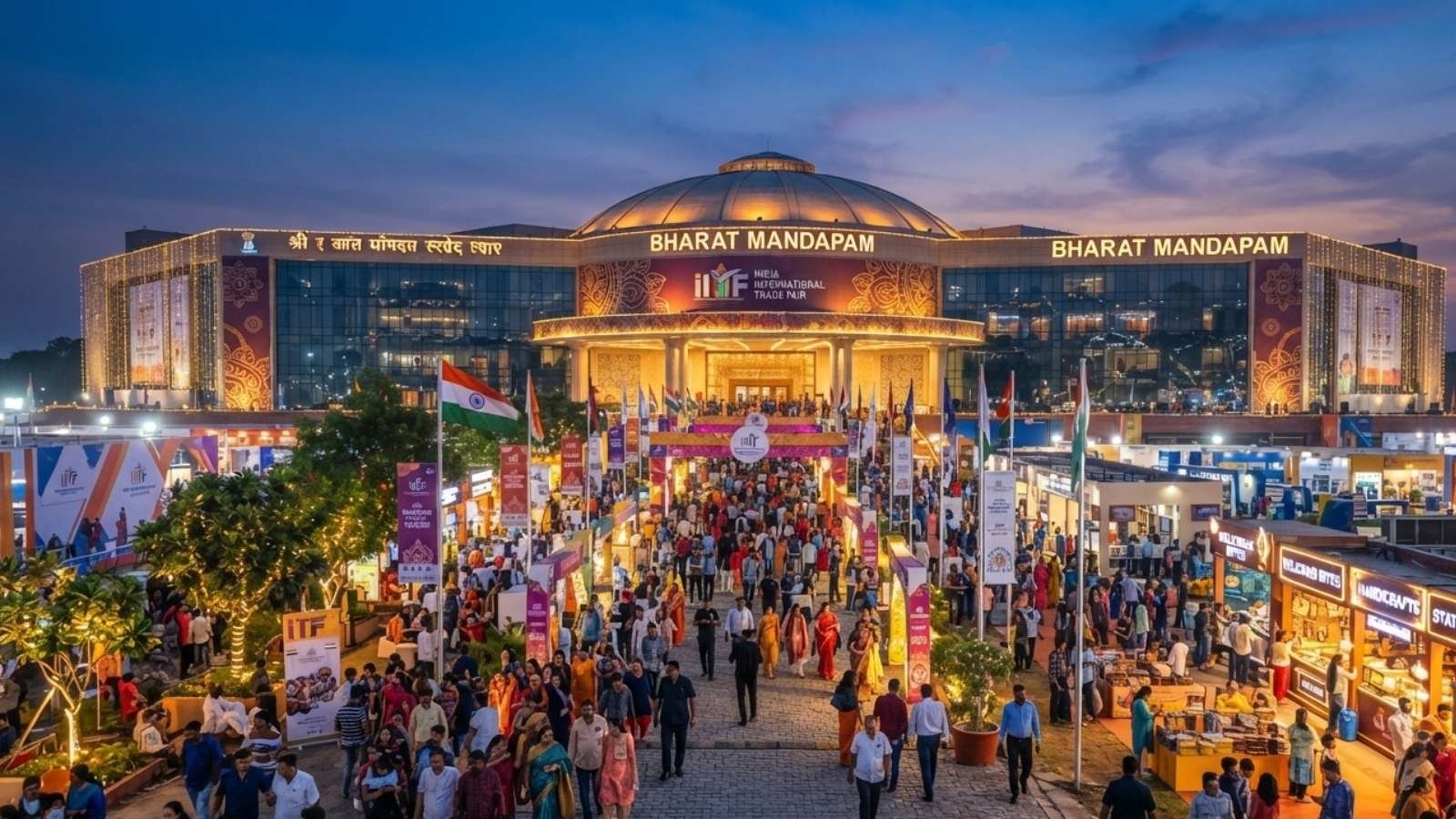
Every year, as November rolls in, New Delhi transforms into the ultimate capital of commerce, culture, and retail therapy. The India International Trade Fair (IITF), held at the iconic Bharat Mandapam (formerly Pragati Maidan), isn’t just an event—it’s an annual pilgrimage for bargain hunters, global trade delegates, food lovers, and curious explorers alike.
Covering massive acres of multi-story, state-of-the-art exhibition halls, IITF is India’s largest consumer and trade exposition. But with hundreds of thousands of visitors flocking through the gates, navigating this sprawling spectacle can quickly go from thrilling to overwhelming. Whether you’re hunting for genuine handloom shawls, looking for free events in Delhi NCR, or trying to dodge the rush hours, this comprehensive guide covers everything from ticketing backdoors and metro routes to free food sampling hacks and parking strategies.
IITF at a Glance: Dates, Timings, and Key Highlights
The trade fair is divided strictly into two distinct phases: Business Days (strictly for trade visitors, delegates, and B2B meetings) and General Public Days (when the gates open to all for shopping, food, and cultural showcases).
| Key Feature | Details & Insider Specifications |
| Event Name | 45th India International Trade Fair (IITF 2026) |
| Venue | Bharat Mandapam (Pragati Maidan), Mathura Road, New Delhi |
| Event Dates | November 14 to November 27, 2026 |
| Business Days | November 14 – November 18, 2026 |
| General Public Days | November 19 – November 27, 2026 |
| Hall Timings | 10:00 AM – 7:30 PM (Hall entry closes by 5:30 PM) |
| Nearest Metro Station | Supreme Court Metro Station (Blue Line) |
| Official Ticket Portal | DMRC Momentum 2.0 (Saarthi App) & ITPO Official Portal |
How to Get Tickets and the Truth About “Free Passes”
One of the most frequently asked questions about the trade fair is how to score IITF Pragati Maidan tickets without waiting in backbreaking queues—or better yet, how to get in for free.
Ticket Pricing Breakdown
- Business Days (Nov 14–18): Tickets are priced higher—typically around ₹500 for adults—to keep casual crowds low and allow delegates to conduct business.
- General Public Weekdays (Nov 19–27): Adult tickets cost around ₹80, while child tickets cost roughly ₹40.
- General Public Weekends: Adult tickets are around ₹150, while child tickets hover around ₹60.
Where to Buy Tickets Online
Do not wait until you arrive at Pragati Maidan to buy a ticket. On-site ticket counters at the venue are routinely closed during peak days to control crowd density. You have two foolproof digital channels:
- DMRC Momentum 2.0 (Saarthi) App: The official Delhi Metro app lets you book entrance passes directly on your phone alongside your metro ticket.
- Select Delhi Metro Customer Service Counters: Tickets are sold at customer care counters across 55+ major Delhi Metro stations (including Rajiv Chowk, Kashmere Gate, Noida City Centre, and HUDA City Centre).
The Reality of Free Passes & Complimentary Tickets
Can you actually get free tickets to IITF? Yes, but you need to know where to look:
- Senior Citizens & Differently Abled Visitors: Entry is historically 100% FREE upon showing a valid government photo ID (Aadhaar Card, Senior Citizen Card, or Disability Certificate) at designated entry gates (usually Gate 1 and Gate 4).
- Ministry & Exhibitor Passes: Exhibitors, stall staff, government department officials, and media professionals receive physical/digital VIP passes. If you have contacts working in public sector undertakings (PSUs), state handloom boards, or participating MSME units, ask them early for complimentary visitor passes.
- Corporate & B2B Delegate Registrations: Registering your GSTIN or business entity on the official ITPO portal during the early B2B window often yields complimentary single-day business passes.
Navigating Pragati Maidan: How to Reach and Best Times to Visit
Reaching Bharat Mandapam during trade fair week requires tactical planning, as traffic on Mathura Road, Bhairon Marg, and Ring Road grinds to a heavy crawl.
By Delhi Metro (The Best Way)
- Nearest Metro Station: Supreme Court Station on the Blue Line (formerly known as Pragati Maidan Metro Station).
- Walking Path: Once you step off the skywalk, Gate 10 is situated right outside the station footprint.
- Alternative Route: If the Blue Line is heavily congested, take the Violet Line to Mandi House or Khan Market and take a quick electric auto-rickshaw to Gate 1 or Gate 4. If you’re coming from regional hubs, check the Delhi-Karnal DTC AC bus service route or opt for sustainable local transit such as a green EV driver cab.
By Private Car & Parking Spots
Driving to IITF is strictly discouraged due to severe traffic control and limited parking near the gates. However, if you must drive, here are your best parking spots:
- Bhairon Marg Underground Parking: Located near Gate 1, this multi-level parking lot operates on a first-come, first-served basis. It fills up by 11:00 AM on weekends.
- National Zoo Parking (Bhairon Temple Road): A short 10-minute walk from the fairgrounds, offering decent paid parking slots.
- JLN Stadium / India Gate Multi-Level Parking: Park here and hop on a short metro ride or shuttle directly to the venue gates to avoid the immediate traffic gridlock.
The Ideal Time to Reach
- The Morning Golden Hour: Arrive at the gates by 9:45 AM. The gates open at 10:00 AM. Entering early gives you a two-hour window to browse high-demand pavilions (like the State Pavilions and Foreign Pavilions) before the peak afternoon crowd arrives.
- The Late Afternoon Exit Strategy: Try to wrap up your visit by 4:30 PM. By 5:30 PM, gate entry closes, and between 6:00 PM and 7:30 PM, tens of thousands of visitors head toward the Supreme Court Metro Station simultaneously, causing massive stairwell choke points.
The Foodie’s Secret Guide: Free Food Samples and Regional Feasts
One of the biggest draws of IITF is the culinary journey across India’s diverse states. Beyond the standard food courts, smart visitors can experience incredible flavors without spending a fortune.
Where to Find Free Food Samples
- Ministry of Agriculture & Organic Food Stalls: Head directly to the organic farming and agro-processing sections in the Central Pavilions. Stall owners promoting millets, honey, herbal teas, cold-pressed oils, and artisanal spices offer generous, free tasting samples (from honey-infused teas to roasted millet snacks and organic juices).
- State Spice & Dairy Counters: Pavilions like Kerala, Spice Board India, and Gujarat routinely showcase live cooking demos where you can taste freshly brewed filter coffee, spice blends, ghee-laden sweets, and regional snacks hot off the griddle.
- International Confectionery Pavilions: Foreign halls featuring vendors from Turkey, Afghanistan, Thailand, and the Middle East often distribute free samples of dried fruits, saffron teas, Baklava, and exotic spices to attract retail buyers.
Must-Try Iconic State Foods
When you’re ready for a full meal, skip the generic fast-food stalls and explore the authentic state pavilion food courts:
- Bihar Pavilion: Freshly fried Litti Chokha drenched in desi ghee.
- Maharashtra Pavilion: Spicy Puran Poli, Vada Pav, and authentic Misal Pav.
- Kerala Pavilion: Flaky Malabar Parotta paired with aromatic banana chips and coconut curries.
- Rajasthan Pavilion: Authentic Dal Baati Churma and piping hot Kachoris.
If you enjoy curated food hubs and seasonal dining across NCR, check out our roundup of the best new cafes and restaurants in Delhi-Gurugram or explore hidden aesthetic cafes in Delhi.
Pavilion Pro-Tips: How to Shop Like a Pro
To get the best out of your IITF outing, keep these battle-tested insider strategies in mind:
- Wear Ultra-Comfortable Walking Shoes: You will easily log 12,000 to 18,000 steps traversing the massive multi-level halls of Bharat Mandapam. Comfort trumps fashion every single time.
- Target the Last Two Days for Bargains: Exhibitors from across India—and especially foreign sellers—do not want to pay heavy freight charges to transport unsold inventory back home. On the final two days of the fair (Nov 26–27), prices on handlooms, carpets, jackets, home decor, and handicrafts drop by as much as 30% to 50%.
- Bring a Heavy-Duty Shopping Tote: While paper bags are provided by sellers, carrying multiple small bags gets exhausting. Bring a large, durable canvas tote or a small rolling shopping bag to stash your purchases easily.
- Carry Cash as Backup: While UPI and digital payments are accepted across most stalls, network bandwidth often drops inside densely packed halls. Having physical cash ensures you won’t lose out on a purchase during network outage moments.
- Combine Your Trip with Nearby Culture: If you still have energy after exploring the fair, round off your cultural day out by checking out the top art galleries in Delhi NCR.
Plan ahead, grab your digital tickets early, wear your most supportive shoes, and get ready to experience the unmatched buzz of India’s biggest trade extravaganza!
