
Phool Walon Ki Sair: The Ancient Flower Festival Blooming in Mehrauli
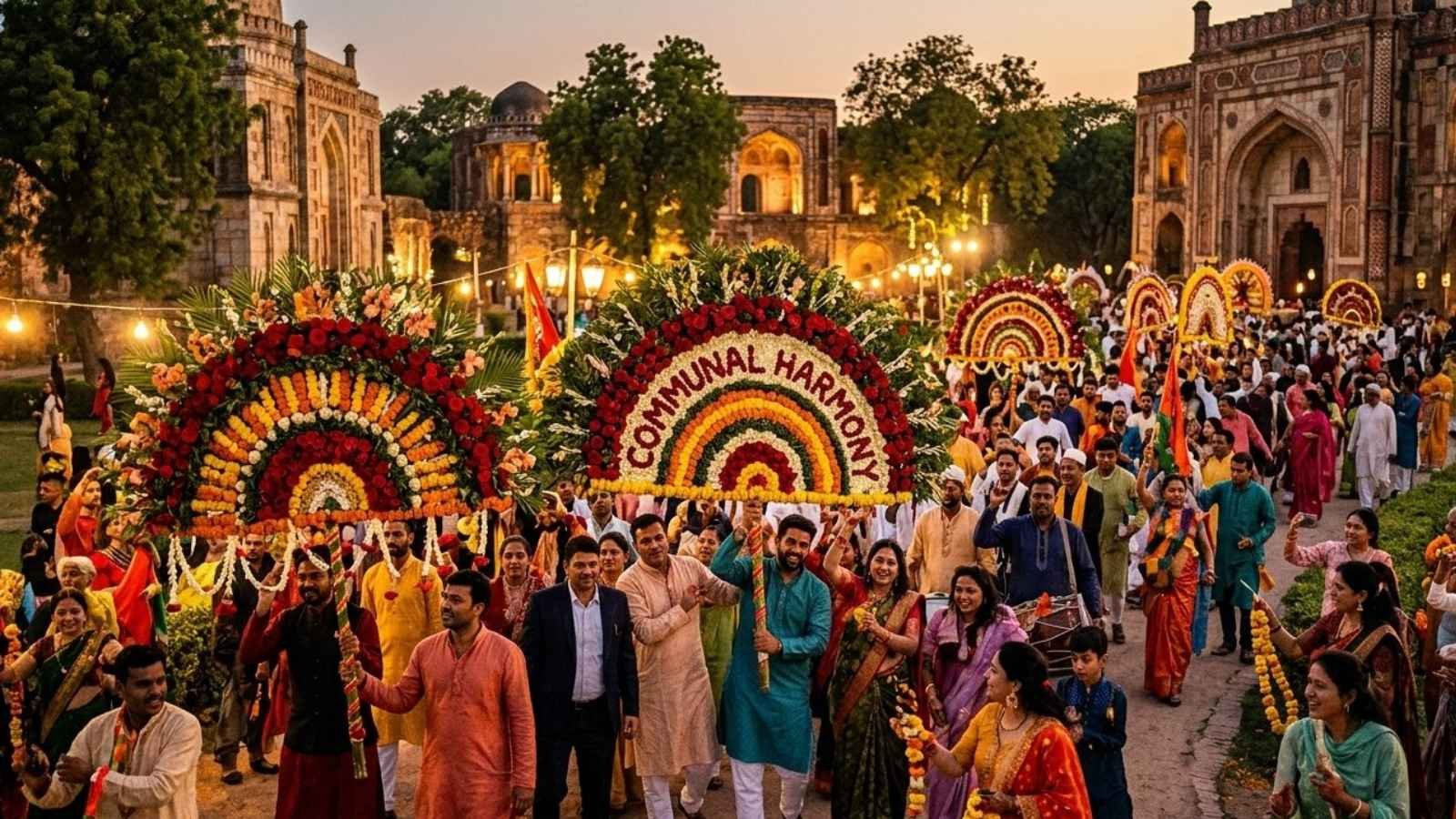
The aroma of freshly woven marigolds, roses, and jasmine fills the crisp autumn air as Delhi prepares for one of its most legendary yet underrated cultural galas: Phool Walon Ki Sair (literally meaning “The Procession of the Florists”). Celebrated across the historic precinct of Mehrauli and culminating inside the breathtaking 15th-century Jahaz Mahal on the banks of Hauz-i-Shamsi, this centuries-old festival represents the absolute pinnacle of Delhi’s Ganga-Jamuni tehzeeb (composite culture). Running through early November (concluding November 3), the week-long festival brings together floral fan (pankha) processions, soul-stirring Sufi qawwalis, classical Kathak dance performances, wrestling matches, and traditional food stalls.
Whether you are a photography enthusiast, a heritage seeker, or simply looking for the best free cultural experiences across the capital, this insider guide provides everything you need to know to attend Phool Walon Ki Sair.
What is Phool Walon Ki Sair? The 1812 Mughal Origin Story
The origins of Phool Walon Ki Sair date back to 1812 during the reign of the Mughal Emperor Akbar Shah II. As history records, when the Emperor’s younger son Mirza Jahangir was exiled to Allahabad by British Resident Archibald Seton, his mother, Queen Mumtaz Mahal Begum, made a devout vow. She pledged that if her son was released and returned safely, she would offer a embroidered sheet of flowers (chadar) at the revered shrine of Sufi saint Khwaja Qutbuddin Bakhtiar Kaki in Mehrauli.
Upon his release, the royal court—accompanied by the entire population of Delhi—shifted to Mehrauli for a week of joyous celebrations. Emperor Akbar Shah II insisted that the secular harmony of the city be preserved: floral fans (pankhas) were offered not only at the Dargah of Khwaja Bakhtiar Kaki but also at the ancient Yogmaya Temple.
“Phool Walon Ki Sair isn’t merely a festival—it is Delhi’s living testament to pluralism, where floral offerings bridge ancient shrines and secular hearts.”
The tradition reached its glory under the last Mughal Emperor, Bahadur Shah Zafar. Though briefly halted by the British after 1857, the festival was revived in 1962 by Prime Minister Jawaharlal Nehru and continues to be organized annually by the Anjuman Sair-e-Gul Faroshan society.
Event Essentials: Dates, Venue & Highlights
| Feature | Key Details |
| Dates | Late October through November 3 |
| Main Venue | Jahaz Mahal & Hauz-i-Shamsi Lawns, Mehrauli, New Delhi |
| Key Locations | Yogmaya Temple, Dargah Khwaja Bakhtiar Kaki, Aam Bagh |
| Timings | Evening cultural programs (6:00 PM – 10:00 PM) |
| Entry Fee | 100% FREE Entry (No tickets or registration required) |
| Nearest Metro | Qutub Minar Metro Station (Yellow Line) |
For those keeping track of seasonal celebrations, you can also explore our comprehensive Delhi NCR October & November Festive Guide to bookmark top local events.
What to Experience at Jahaz Mahal & Mehrauli
1. The Floral Fan (Pankha) Procession
Ornate, giant hand fans entirely crafted out of fresh flowers, beads, and silk ribbons are carried through the bustling heritage lanes of Mehrauli Bazar accompanied by shehnai players, folk dancers, and traditional drummers. The pankhas are presented to the Lieutenant Governor of Delhi, the Chief Minister, and offered at both the Yogmaya Temple and Bakhtiar Kaki Dargah.
2. Evening Qawwali & Cultural Nights at Jahaz Mahal
As night falls, the illuminations reflected on the waters of Hauz-i-Shamsi create a magical backdrop at Jahaz Mahal. Renowned Sufi qawwals perform classic renditions alongside folk troupes representing various states of India. If you missed other major musical festivals like the Garba & Dandiya Nights in Delhi NCR, this night of Sufi immersion is the perfect musical alternative.
3. Traditional Dangal (Wrestling) & Fairs
During daylight hours, traditional wrestling matches (Dangal) take place near Aam Bagh, alongside local artisanal craft stalls, kite flying competitions, and amusement rides for kids.
Insider Guide: Tickets, Free Food, Dress Code & Logistics
Entry & Free Passes
There are no tickets or entry fees required to attend Phool Walon Ki Sair at Jahaz Mahal or the street processions. All cultural programs in the open lawns are open to the general public on a first-come, first-served seating basis. To explore similar non-ticketed cultural gatherings, check out our roundup of Free Events in Delhi NCR.
Dress Code & Ettiquette
Because the festival encompasses visits to active places of worship (both a Hindu temple and a Sufi shrine), visitors must observe respectful attire:
- Clothing: Modest, comfortable ethnic or smart-casual wear covering knees and shoulders. Avoid shorts or sleeveless tops.
- Head Covering: Carry a scarf or dupatta, as head coverings are mandatory inside the Dargah of Khwaja Bakhtiar Kaki.
- Footwear: Slip-on shoes or easy-to-remove sandals are recommended, as you will need to remove footwear at the religious sites.
Food Stalls & Free Refreshments
While local street vendors sell famous Old Delhi and Mehrauli treats—like shahi tukda, hot jalebis, kebabs, and chole bhature—community langars and flower-vendor associations frequently distribute free tea, water, and traditional sweet prasad along the procession routes. Food lovers can also extend their culinary trail by reading our guide to the Best Hidden Aesthetic Cafes in Delhi & Gurugram.
Best Time to Reach
- For Processions: 3:30 PM – 5:00 PM (to catch the vibrant daytime street movements and photography light).
- For Cultural Shows at Jahaz Mahal: Reach by 5:30 PM to secure good seating before the main stage performances start at 6:30 PM.
How to Reach & Parking Spot Advice
By Delhi Metro (Recommended)
Navigating Mehrauli’s narrow historical lanes by car can be challenging during festival days.
- Nearest Station: Qutub Minar Metro Station or Sultanpur Metro Station on the Yellow Line.
- Last-Mile Transport: Take an auto-rickshaw or e-rickshaw directly from the metro station to Jahaz Mahal / Yogmaya Temple (approx. 10–15 minutes).
Parking Spots
If driving, parking directly at Jahaz Mahal is not advised due to road closures and heavy footfall.
- Option A: Park at the designated Qutub Minar Paid Parking Lot near the main monument complex and take a short 10-minute e-rickshaw ride.
- Option B: DDA Park parking grounds near Hauz-i-Shamsi (subject to early arrival).
Why You Shouldn’t Miss It
In a fast-paced metropolis, Phool Walon Ki Sair offers a rare glimpse into Delhi’s soulful past. It is a celebration where history, music, fragrance, and community converge seamlessly under the autumn sky. Pack your camera, wear comfortable walking shoes, and immerse yourself in one of India’s most heartfelt traditions.
