
How Ashita Singhal Turned 40,000 Kg of Textile Waste into a ₹1 Crore Circular Fashion Enterprise
Growing up in Delhi, Ashita Singhal witnessed firsthand the stark reality of the urban landscape. Rather than viewing discarded materials as garbage, she developed a philosophy that waste is simply an unutilized raw material resource waiting for intentional design.
During her fashion design studies at Pearl Academy in Delhi, Singhal visited fast-fashion manufacturing clusters and was struck by the massive volumes of high-quality fabric scraps casually swept off factory floors and sent directly to landfills. Refusing to join standard commercial garment labels, she resolved to operate her studio as a boutique upcycling engine, fusing environmental responsibility with luxury handloom craftsmanship.
Rethinking Waste in the Capital’s Industrial Hub
In November 2018, Singhal launched Paiwand Studio in Noida—a major manufacturing hub for Indian garment exports. Her venture was backed by a $25,000 international James McGuire Business Grant, which she secured after her graduation capstone project, “Blue Pottery,” received widespread industry acclaim.
The name Paiwand, derived from the Hindi-Persian phrase for “patching” or “connecting,” reflects the studio’s core mission: repairing the relationship between fashion production and the environment. By intercepting pre-consumer scraps directly from export houses and local katran (scrap) markets, Paiwand prevents toxic industrial waste from contributing to the region’s broader urban pollution crisis.
| Enterprise Metric | Details & Key Achievements |
| Founder & Creative Director | Ashita Singhal |
| Headquarters & Studio | Noida, Uttar Pradesh |
| Initial Seed Funding | $25,000 (James McGuire Business Grant) |
| Landfill Diversion Impact | 40,000+ kg of textile waste upcycled |
| Artisan Network | 100+ handloom weavers and craftspeople |
| Annual Financial Turnover | ₹1 Crore |
| Major Industry Honors | Forbes 30 Under 30 Asia, EDIDA, Lexus Design Award |
| Key B2B Partners | Good Earth, Amit Aggarwal, Kardo, Libas |
Crafting Sustainable Luxury from Factory Floor Scraps
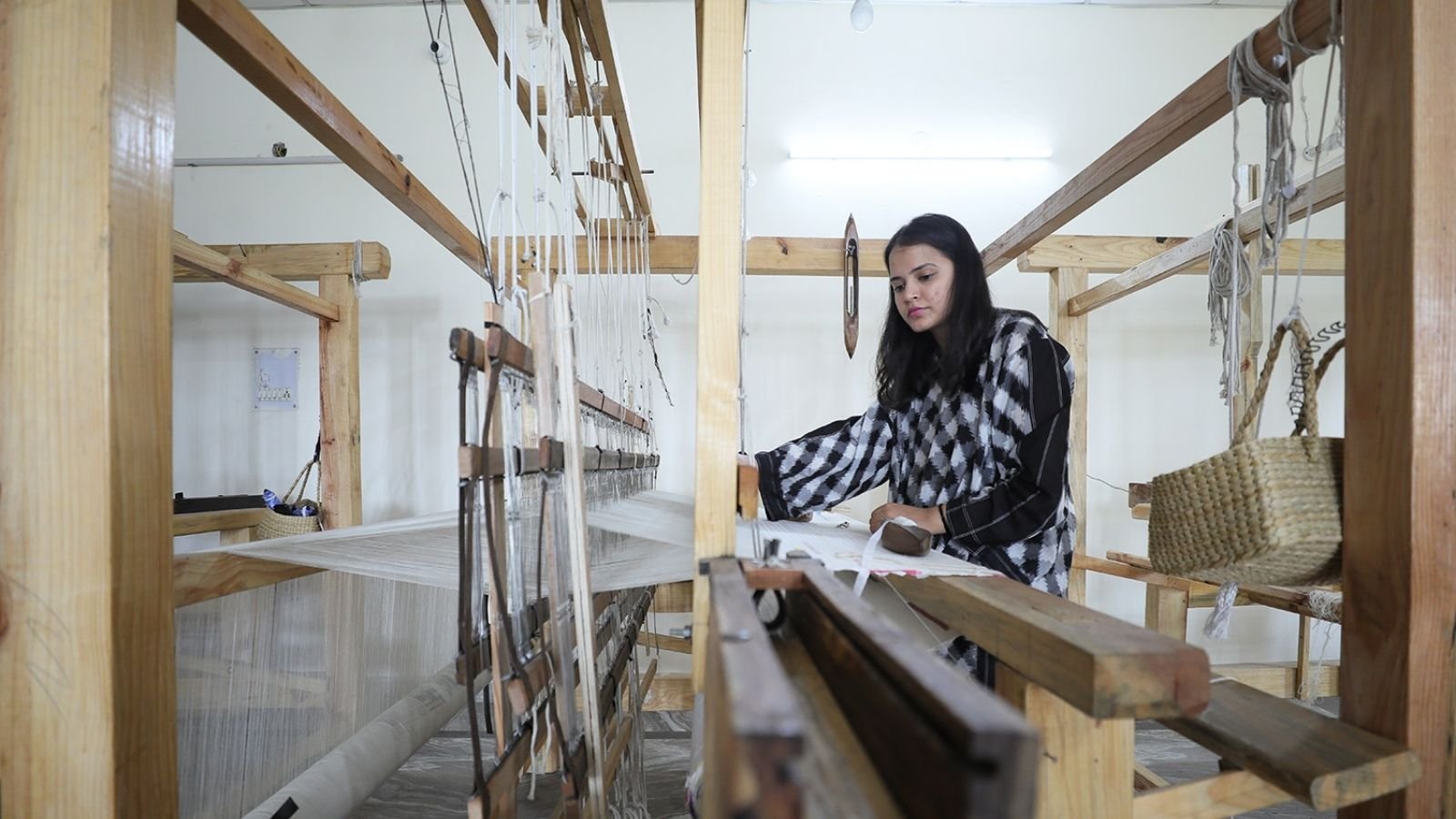
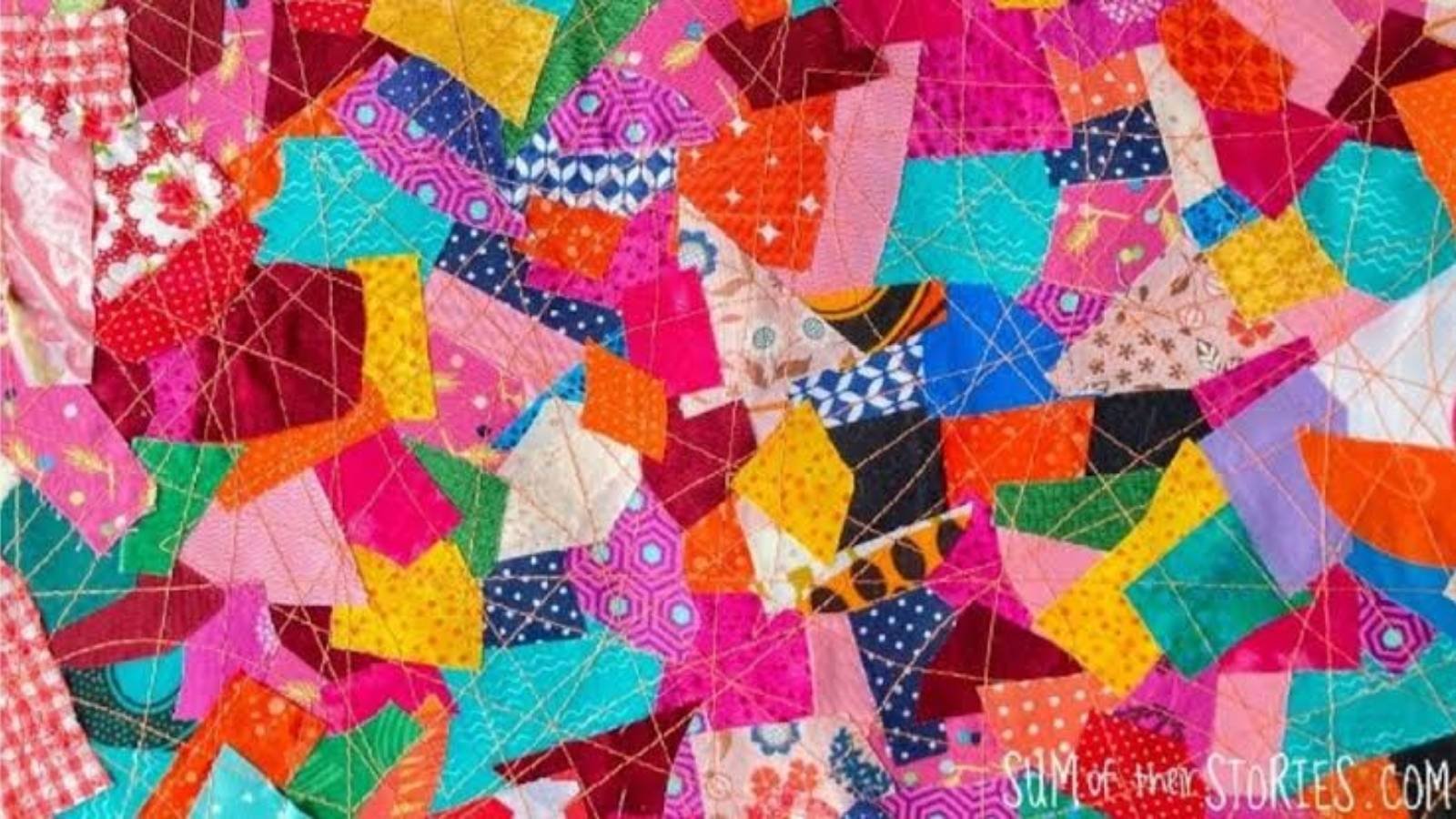
Paiwand operates by sorting collected fabric remnants by color, fiber type, and weight. The waste is cleaned, cut into uniform strips, and re-spun or hand-woven into new, high-grade yardages. Utilizing traditional techniques like Kantha stitching, Aari embroidery, and handloom weaving, the studio produces upcycled fabrics that retain structural integrity while showcasing distinctive artistic textures.
Singhal’s innovative approach caught the attention of luxury fashion houses, leading to high-end B2B upcycling partnerships with brands like Good Earth and Amit Aggarwal. Her work earned her a place on the Forbes 30 Under 30 Asia list, as well as the Nexa Spotlight award at Lakme Fashion Week. Singhal stands out among prominent women entrepreneurs in Delhi-NCR who are building scalable, climate-conscious businesses.
Empowering Artisans and Fading Weaving Clusters
Beyond environmental remediation, Paiwand Studio serves as a social enterprise dedicated to empowering rural handloom artisans. The decline of traditional weaving had forced many hereditary craftspeople into low-wage unskilled labor. Singhal integrated over 100 local weavers into her production pipeline, providing steady employment and dignity-driven wages.
By teaching artisans to weave non-traditional materials—ranging from silk and cotton bits to leather and flex scraps—Paiwand celebrates India’s traditional textile heritage while giving ancient craft skills a contemporary, commercially viable outlet.
Advocating for the “Right to Repair”
Having scaled Paiwand Studio to a ₹1 Crore annual turnover benchmark, Singhal is expanding her vision toward systemic circularity. She actively advocates for the global “Right to Repair” movement, promoting lifetime repair guarantees on handcrafted garments to counter throwaway consumer culture.
Looking forward, Paiwand aims to establish international circular supply partnerships to process pre-consumer waste for global fashion houses, proving that waste management and high fashion can operate in seamless harmony.
