
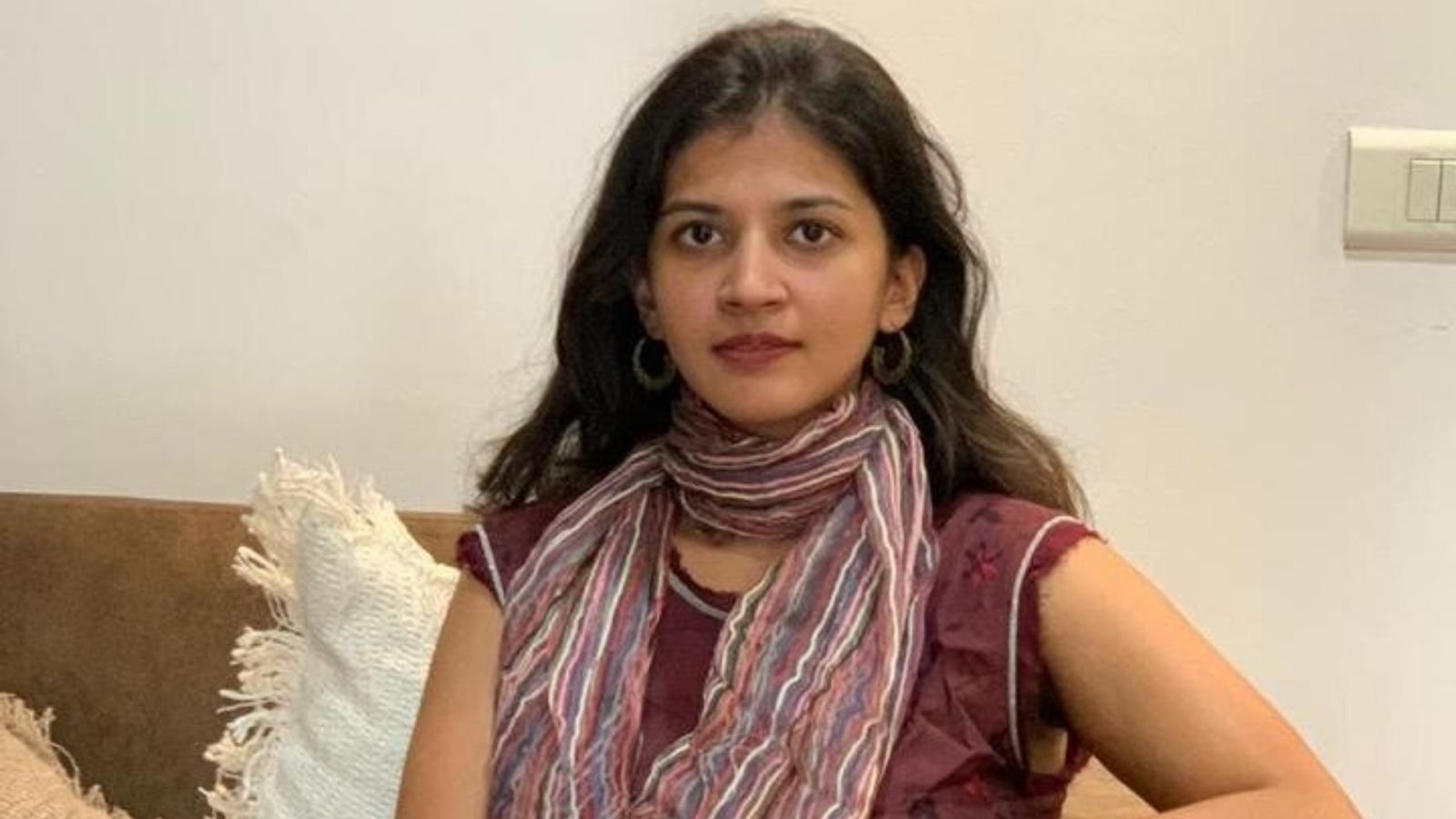
How Kirti Goel Built a ₹36 Crore Brand by Reviving a Dying UNESCO Craft
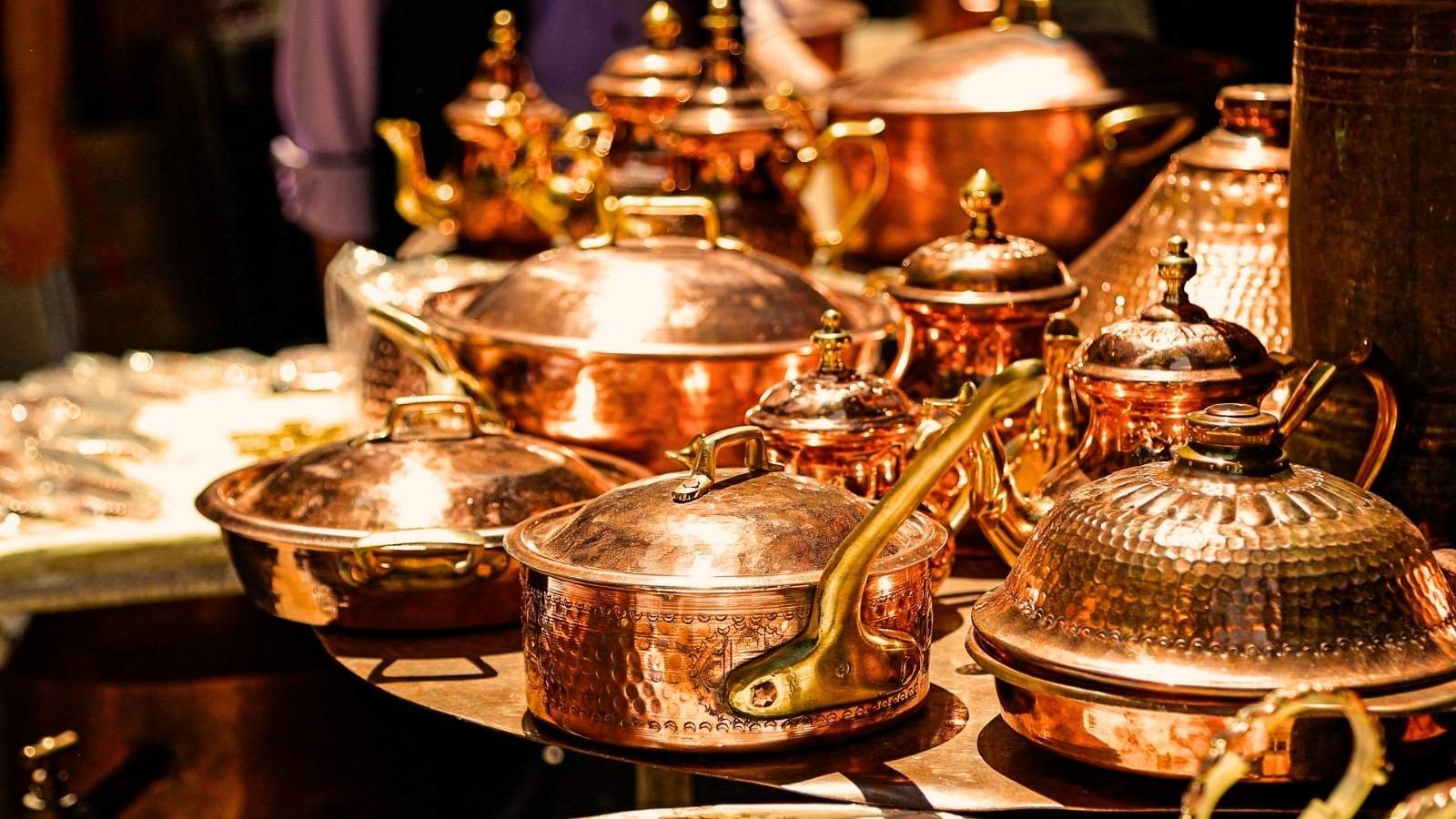
When Kirti Goel grew up in Amritsar, Punjab, she initially prepared for a conventional career path in engineering. However, guided by a mentor who recognized her creative potential, she altered her trajectory and enrolled at Pearl Academy in Delhi to study fashion design. During a design research project in her second year, Goel encountered the Thatheras of Jandiala Guru—an artisan community whose centuries-old practice of hand-hammering brass, copper, and kansa utensils was rapidly fading due to cheap synthetic alternatives.
Determined to save this craft, Goel co-founded P-TAL (Punjabi Thathera Art Legacy) in 2016. What began as a design intervention evolved into a D2C lifestyle brand generating ₹36 Crore in annual turnover while uplifting scores of rural metal smiths.
Bridging Heritage Craft and Modern Utility
The Thathera metal-hammering technique holds historical significance as India’s only craft form inscribed on the UNESCO Intangible Cultural Heritage list. Despite this international acclaim, low consumer demand had left the artisan community struggling with unsustainably low wages.
Applying first-principles design thinking, Goel reimagined traditional metalware into modern, aesthetic kitchenware tailored for urban households. P-TAL expanded its catalog to over 80 products, ranging from everyday cookware and Ayurvedic water vessels to luxury dinnerware sets, seamlessly integrating traditional metals into modern, minimalist kitchens.
| Business Profile Metric | Operational & Financial Details |
| Co-Founder & Head Designer | Kirti Goel |
| Design Institution | Pearl Academy, Delhi |
| Heritage Craft Cluster | Thatheras of Jandiala Guru (Amritsar, Punjab) |
| Artisan Wage Growth | Increased from ₹20/hour to ₹150/hour |
| Average Artisan Monthly Income | ₹25,000 – ₹50,000 |
| Product Portfolio | 80+ SKU items across kitchenware & dinnerware |
| Annual Turnover | ₹36 Crore |
| Founding Team Equity Value | Estimated at ₹69.2 Crore (58.83% majority holding) |
The Historic All-Shark Pitch on Shark Tank India
P-TAL’s combination of cultural preservation and commercial viability culminated in a landmark pitch on Shark Tank India Season 3. Demonstrating strong unit economics, operational scalability, and social impact, Goel and her team secured an elusive “all-shark” deal, securing investment commitments from every investor on the panel.
Following this national exposure, P-TAL’s corporate valuation climbed significantly, with the founding team’s equity holding estimated at over ₹69.2 Crore. The three co-founders maintain a 58.83% majority stake, ensuring long-term independence while expanding their footprint across key domestic markets like Maharashtra and Karnataka. Goel’s meteoric rise is part of a larger movement of visionary young women entrepreneurs in Delhi-NCR who are building multi-crore, purpose-driven brands before turning thirty. This financial independence mirrors broader economic trends empowering female-led enterprises in consumer sectors.
Transforming Grassroots Artisan Economies
Central to P-TAL’s business framework is the economic stabilization of rural craft clusters. Before Goel’s intervention, Thathera artisans earned approximately ₹20 per hour. By establishing a direct-to-consumer supply chain that eliminates middlemen, P-TAL raised artisan wages to ₹150 per hour.
Today, collaborating artisans earn reliable monthly incomes ranging from ₹25,000 to ₹50,000, ensuring the transmission of ancestral skills to younger generations. This sustainable model aligns with national efforts focused on expanding targeted women empowerment initiatives and protecting India’s traditional craft heritage.
Global Markets and Specialized Ayurvedic Cookware
Looking ahead, Goel plans to expand P-TAL’s artisanal collection into international export markets across North America and Europe, where demand for holistic living products continues to rise. Simultaneously, the brand is developing specialized Ayurvedic cooking solutions engineered for modern kitchen appliances. By continually onboarding new rural metal-craft clusters across India, P-TAL demonstrates how ancient heritage can thrive alongside modern commerce, connecting traditional artisan communities directly with global consumers.
