
Delhi Lakshmi Yojana: Sanction Letters Begin August 26 Ahead of Direct Payouts
The Delhi government has officially confirmed that eligible women enrolled under the flagship Delhi Lakshmi Yojana will begin receiving their formal sanction letters starting August 26, 2026. The initiative, designed to provide long-term financial security to low-income households across the national capital, will transition into active monthly disbursements from September 1, 2026. Chief Minister Rekha Gupta reviewed the implementation framework at the Delhi Secretariat, directing district-level monitoring committees to expedite application verification so that genuine applicants face no procedural delays.
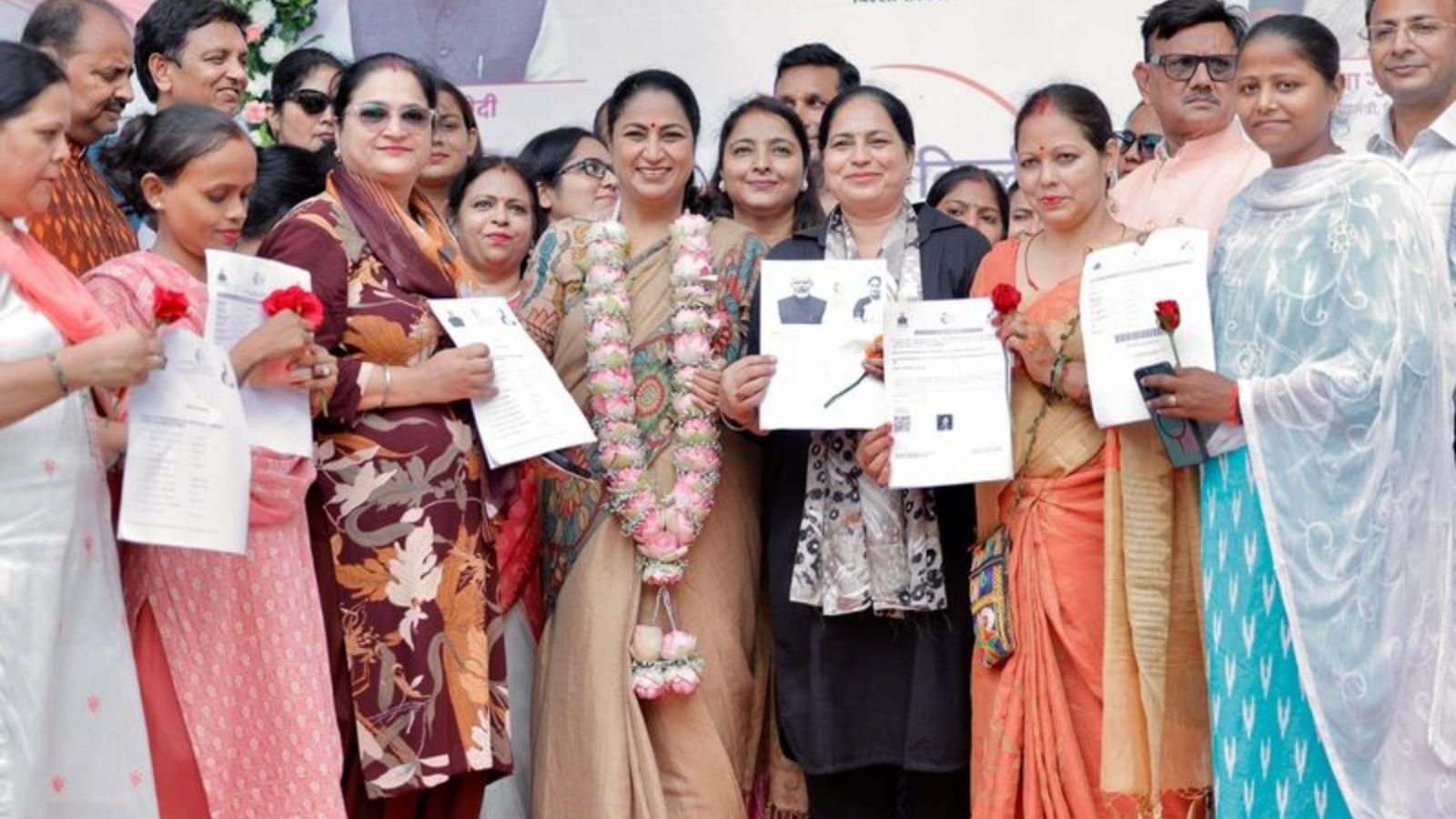
The rollout event on August 26 at Talkatora Stadium marks the official distribution of benefit letters to the first batch of verified applicants. Since opening registrations on August 1, 2026, the scheme has witnessed overwhelming public participation, logging over 800,000 user registrations and more than 500,000 fully submitted applications within just 18 days.
Dual-Payout Mechanism: Balancing Daily Expenses with Long-Term Savings
A defining feature of the scheme is its structured financial disbursement model. Rather than distributing the entire ₹2,500 monthly grant as unrestricted liquid cash, the government has designed a hybrid system to encourage long-term capital accumulation alongside immediate household purchasing power.
Under the default arrangement, beneficiaries receive ₹1,000 every month directly through a bank account linked to a Central Bank Digital Currency (CBDC) e-rupee wallet. The remaining ₹1,500 is automatically funneled into a recurring or fixed-deposit account with a lock-in period until July 31, 2029. To ensure safety, spending via the CBDC wallet contains restriction protocols prohibiting transactions involving alcohol, tobacco, gambling, or non-essential speculative activities. Alternatively, women can opt to have the full ₹2,500 deposited directly into the locked savings account.
| Scheme Dimension | Operational Details & Policy Guidelines |
| Financial Assistance | ₹2,500 per month (Paid via CBDC wallet + Fixed Deposit split) |
| Sanction Letter Distribution | Begins August 26, 2026 (Launch event at Talkatora Stadium) |
| First Account Credit Date | September 1, 2026 |
| Primary Eligibility | Eldest woman (ages 21–60) in families earning < ₹2.5 Lakh annually |
| Residency & Voting | Must be a registered Delhi voter with at least 10 years of residency |
| FD Lock-in Maturity | Recurring/Fixed deposit accounts mature on July 31, 2029 |
Eligibility Criteria, Major Exclusions, and Portal Corrections
To qualify for the scheme, the applicant must be the eldest eligible female member of her family, aged between 21 and 60 years. The applicant, her spouse, or her parents must have resided in Delhi for a minimum of 10 consecutive years. Furthermore, the household’s annual electricity consumption over the preceding 12 months cannot exceed 2,400 units.
Strict exclusions apply to prevent duplicate benefits or misuse:
- Women who pay income tax, file GST, or hold public office are strictly barred.
- Households owning a four-wheeler or having an active government employee are ineligible.
- Families with more than three living children or applicants with criminal records cannot apply.
- Beneficiaries already receiving widow pension, disability pension, or other government pensions are excluded.
Addressing technical glitches faced during early registration, the government confirmed that an online edit facility will soon go live on the official Delhi Lakshmi Yojana portal.This update allows users to rectify incomplete information or upload missing residential documents without filing new applications.
Driving Financial Inclusion and Women’s Empowerment
Beyond immediate income support, introducing digital e-rupee wallets serves as a catalyst for expanding digital financial literacy among low-income households. While research shows that many urban women remain cautious with financial apps, structured state-backed digital currency initiatives bridge the trust gap through secure, transparent platforms.
By integrating locked recurring deposits, the scheme ensures that beneficiaries build a financial cushion over three years. Initiatives that promote economic autonomy align with broader national frameworks dedicated to advancing gender equality and social mobility. As district committees complete final application checks, official government guidelines emphasize that strict recovery and legal actions will be initiated against fraudulent claims, preserving scheme benefits exclusively for deserving families
