
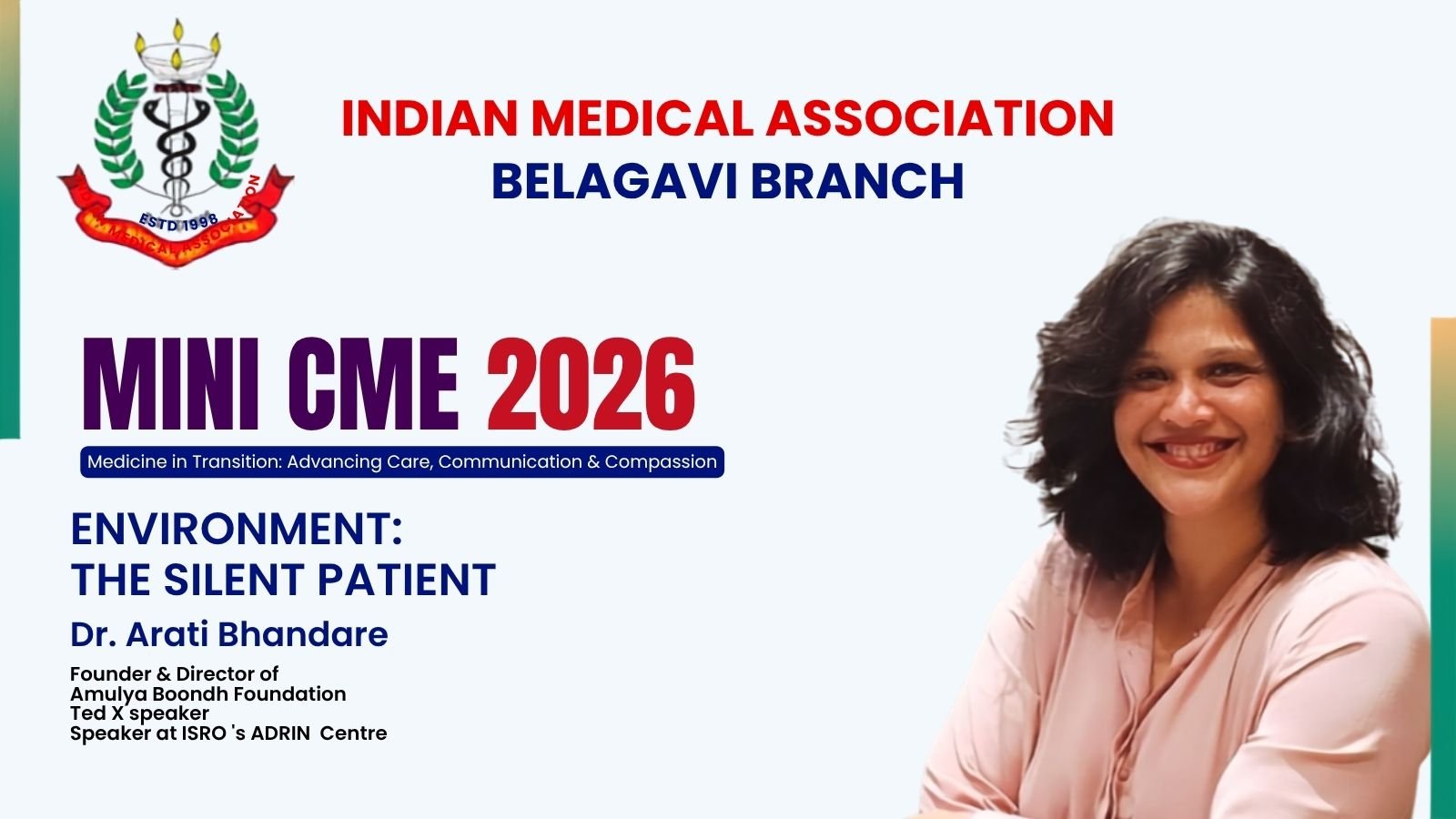
Purpose Over Profit: How a Dentist Left Her Clinic to Clean Up India’s Frontlines
Tanusha Narula, Lead Editor of The Optimist News, sits down with Dr. Aarati, founder of the Amulya Boondh Foundation. In a refreshingly candid conversation, Dr. Aarati discusses walking away from a secure medical career, the reality of funding a grassroots NGO, and why she refuses to sacrifice her mental health for corporate-style scale.
Tanusha Narula: Could you share a bit about your personal background and what initially inspired you to start this journey with Boondh?
Dr. Aarati: Amulya Boondh Foundation was not planned overnight. There was no strategy, no long discussions, and no advice from experts. I started doing social activities as a volunteer back in 2015, but I quickly noticed that many NGOs fall into the trap of social media popularity, photo ops, and chasing followers while the actual service gets left behind. I wanted to stay away from that and get hands-on experience on the ground.
As for my personal background, I am a dentist. I practiced for a long time, but it wasn’t my true calling; it was a way to earn money, not something I enjoyed. I grew up in a typical, comfortable middle-class household in Belgaum. But in 2015, everything changed because of a severe nationwide drought. That drought was a spiritual awakening for me. When the crisis hit, everyone started blaming each other instead of looking within. I understood then that to do social work, you don’t need cameras, and sometimes you don’t even need money. All you need is genuine intent, a compassionate heart, and empathy. Only after four years of working and building credibility on the ground did I officially register the foundation as a Section 8 non-profit in 2019.
Tanusha Narula: What was the core philosophy behind launching this initiative? What specific gap in the ecosystem were you determined to fill?
Dr. Aarati: Over my years of volunteering, I realized that we spend time complaining in the chaos of daily life and forget our real blessings. When people talk about God’s blessings, they mean material things—a house, a luxury car, or money. Nobody talks about the privilege of having pure oxygen, clean drinking water, trees, or the ability to grow safe food.
The biggest gap in our ecosystem is a mindset problem. It’s a blame game. Urban populations complain that rural communities are polluting everything with orthodox practices, while villagers blame cities for buying too much and dumping trash everywhere. Everyone points fingers, but nobody takes responsibility. Changing this mindset is the hardest gap to bridge because people hate being preached to. I don’t try to teach them something brand new; I just gently brush the dust off the truths they already know deep down inside. Even today, with the advent of 5G, you cannot easily reach the most remote areas. Bridging that gap—by physically going to those remote spaces and making awareness engaging and real—is what I set out to do.
Tanusha Narula: Changing mindsets and driving awareness around sustainable hygiene often comes with systemic roadblocks. What have been the most significant challenges you’ve faced so far?
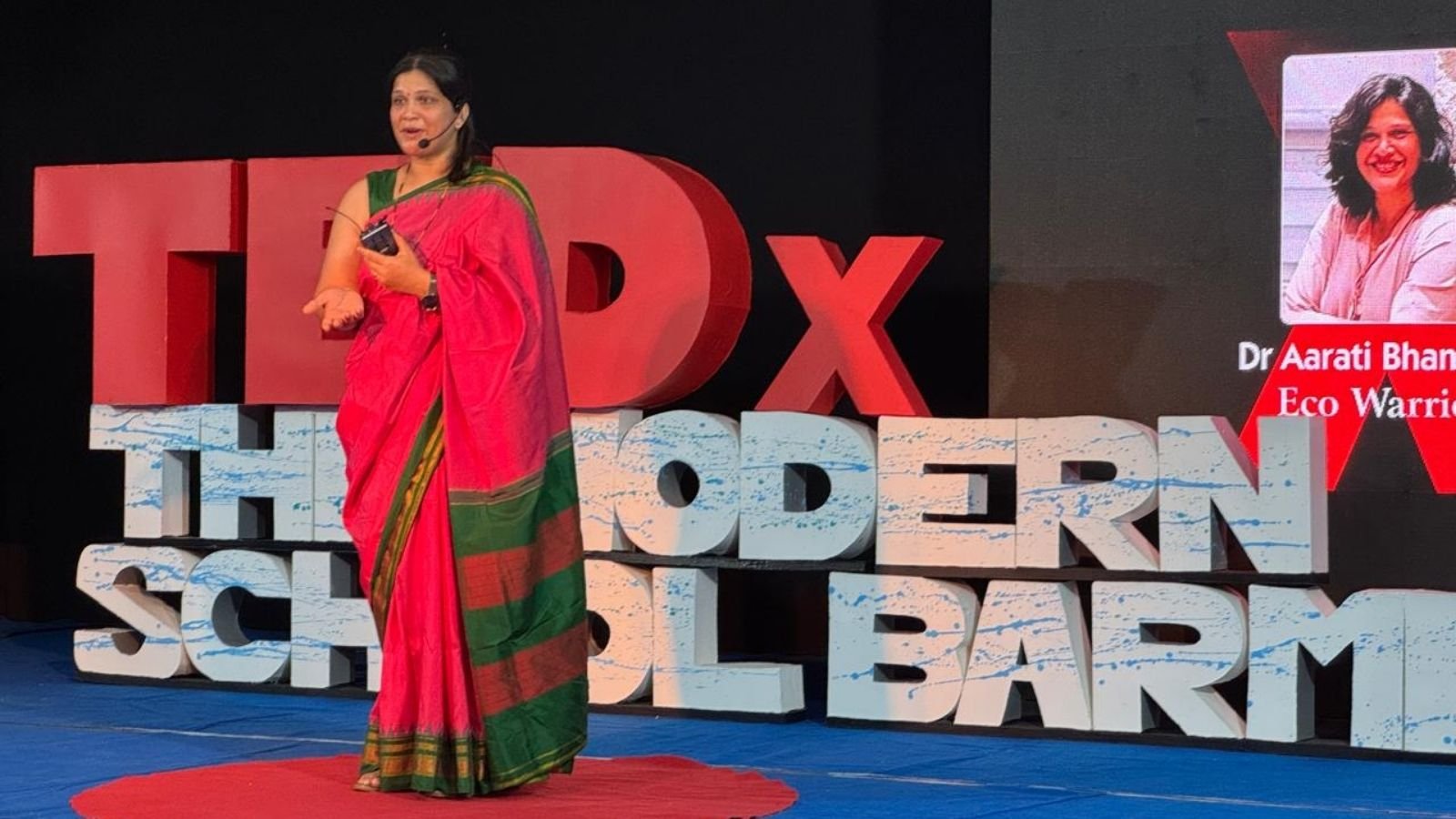
Dr. Aarati: The first hurdle came from society, friends, and my extended family. In India, being a female doctor comes with respect. People could not accept that I was willing to hang up my apron for social work. They urged me to keep this as a “side gig” or a hobby so I could still tell everyone I was a doctor for the sake of appearances. It took seven years of toil on the ground—speaking on TEDx stages and being invited to ISRO—for those very same people to finally validate what I do. But by the time their validation came, I didn’t need it anymore.
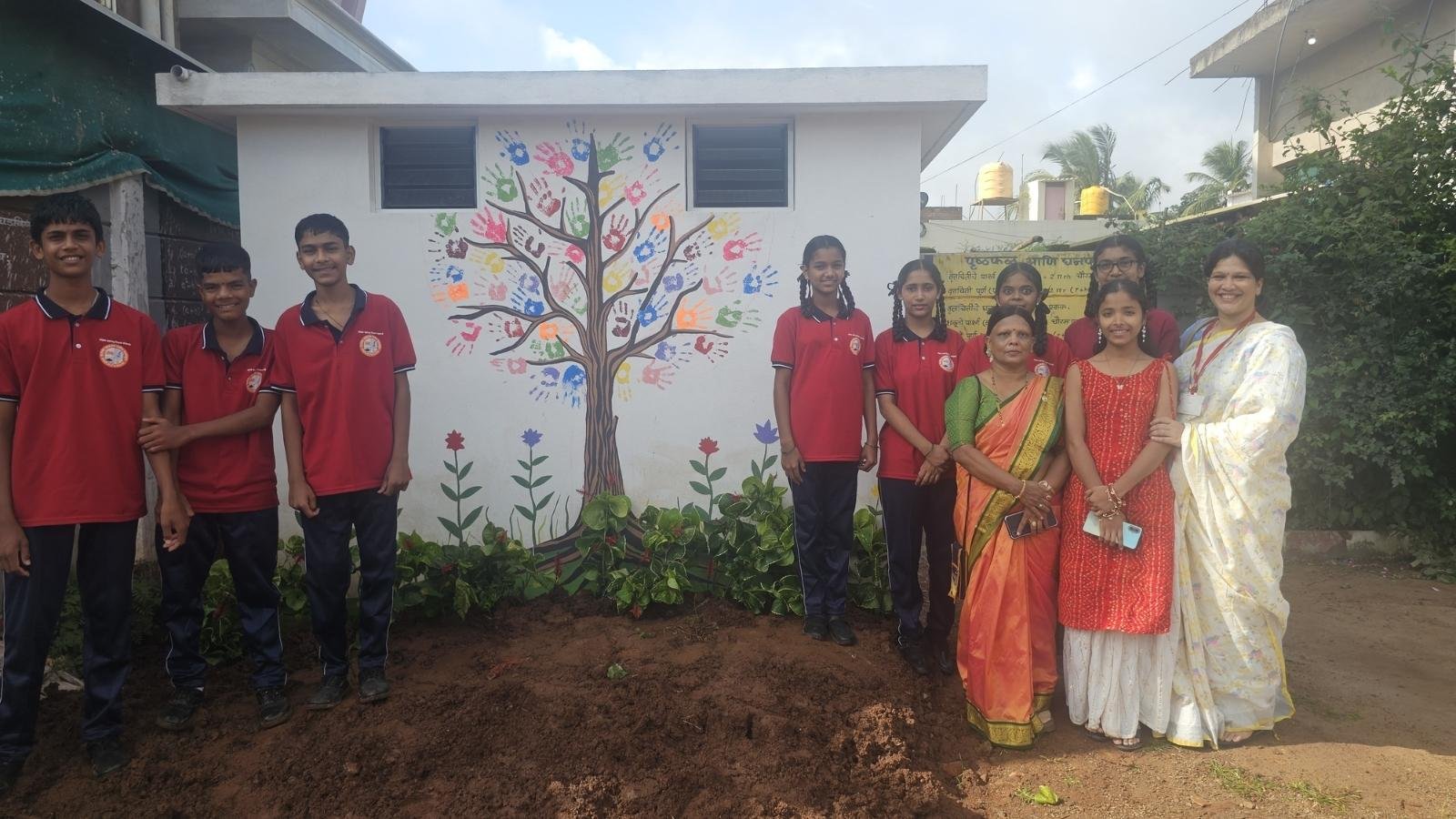
The second challenge is funding. I fund my projects using personal savings, unsecured loans, and financial backing from my husband. Because I married into an industrialist family, people assume all of my father-in-law’s wealth is mine to spend. That is not the truth. Still, I am privileged compared to most, and I use that privilege to build washrooms in rural girls’ schools.
Finally, dealing with administrative departments was exhausting. The system has a rigid set of rules, and climate change is taken far too lightly. I had to wait outside government offices for hours just to prove my intentions were pure, especially when 99% of officials assumed I must have some hidden motive.
“They urged me to keep this as a ‘side gig’ or a hobby so I could still tell everyone I was a doctor for the sake of appearances… It took seven years of toil on the ground for those very same people to finally validate what I do. But by the time their validation came, I didn’t need it anymore.”
Tanusha Narula: Is there a specific milestone or a memorable story from the ground that made you realize the profound impact of your work?
Dr. Aarati: One story I will never forget is receiving an unexpected invitation from the ADRIN ISRO division in Hyderabad. I had always viewed social media as just a tiny side gig for short educational videos. Realising that highly educated scientists found enough sense in my videos to invite me to such a prestigious platform made me realize that on-the-ground awareness works.
But the story closest to my heart is in Belgaum. Our city’s waste dump yard is located about 14 kilometers outside the city. The foul smell makes the daily lives of the nearby villagers hell. Right next to this waste depot is a local high school, and many of the students are children of the laborers who work inside the dump yard. These villagers are sacrificing their environment just to manage the waste generated by the urban crowd of Belgaum. Using my personal funds, I installed a digital smart learning TV for the 300 high school students there. Within three months, their performance turned around because they could learn their syllabus visually in their mother tongue.
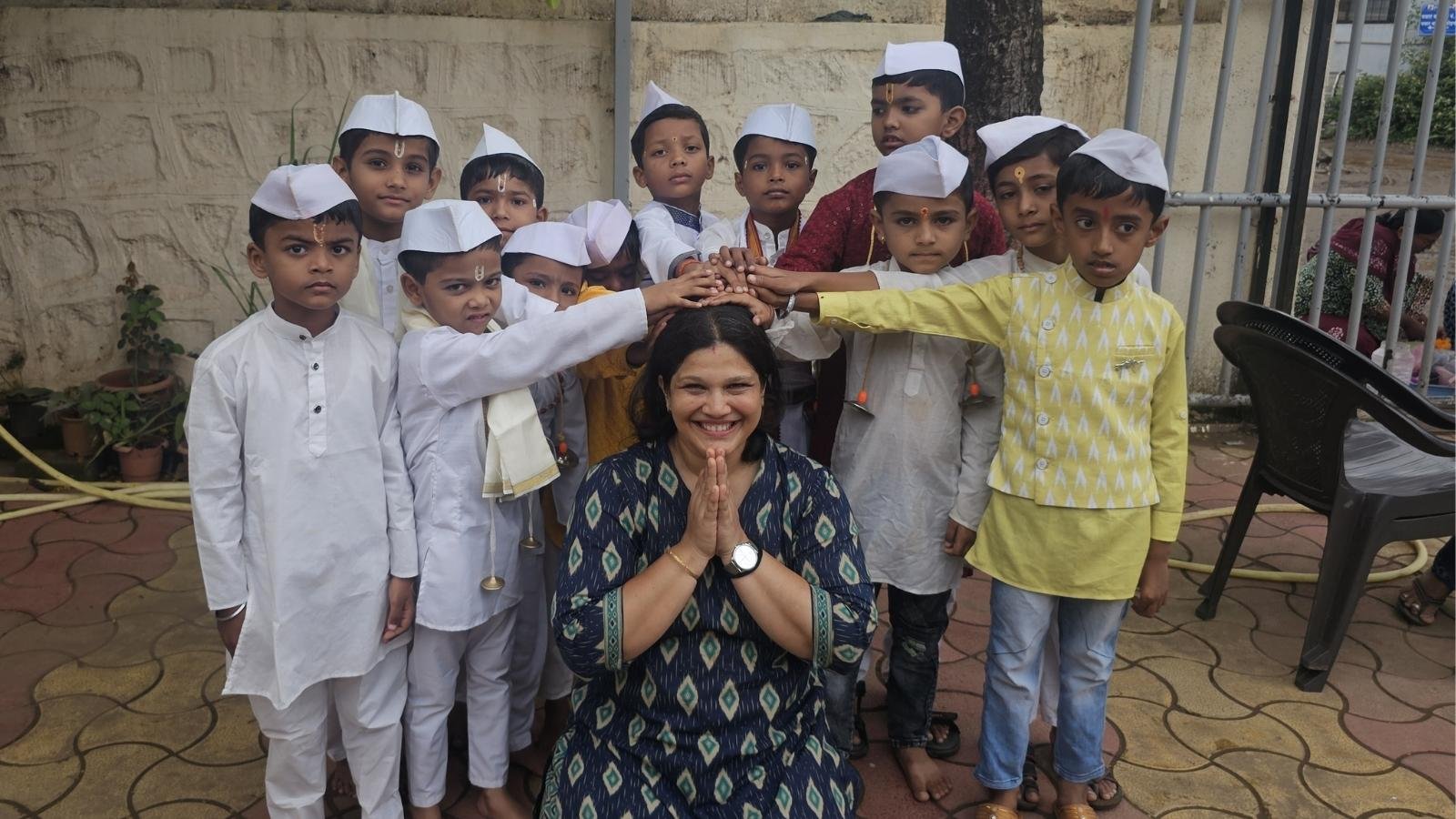
Waste management isn’t a glamorous subject. Convincing kids to willingly put their hands in the mud or cow dung, and developing such an interest that the schools look forward to more sessions—creating that shift in a child’s mind is a far bigger milestone than any tangible impact you can measure on a balance sheet.
Tanusha Narula: What is your ultimate vision for Boondh India over the next three to five years?
Dr. Aarati: I like to divide my answer into two parts: a wish and a vision. If you ask me about my wildest wishes, I would love to see Amulya Boondh Foundation listed among top global organizations, or see myself in Forbes 30 under 30.
But a true vision is different. It might sound boring compared to founders who come in with rigid 10-year roadmaps, but I don’t have a fixed plan for the next three to five years. My vision depends entirely on the type of funding and collaborations that come my way. Running this entirely on my own is heavy work. We all talk about work-life balance, but we rarely implement it. I refuse to go all out and completely sacrifice my health for this purpose. If professional burnout ever feels too severe, I won’t hesitate to outsource duties, reduce the workload, or take a sabbatical to protect my well-being.
That being said, my heart still holds a deep wish. In so many remote villages, a handful of dedicated people are struggling just to keep basic education alive. I deeply hope that every single boy or girl who goes to these schools can walk into a clean, hygienic washroom. I wish they didn’t have to stay dehydrated for eight hours waiting to get home to a water filter. I want rural students to have the privilege of smart, digital learning, just like their urban counterparts. But the universe doesn’t say tathaastu to everything we dream up, which is exactly why I keep my practical vision grounded in reality, while keeping my fingers crossed for the wishes.
