
In Conversation with Jaya Jaitly: The 40-Year Legacy of Dastkari Haat and Sustainable Festive Gifting
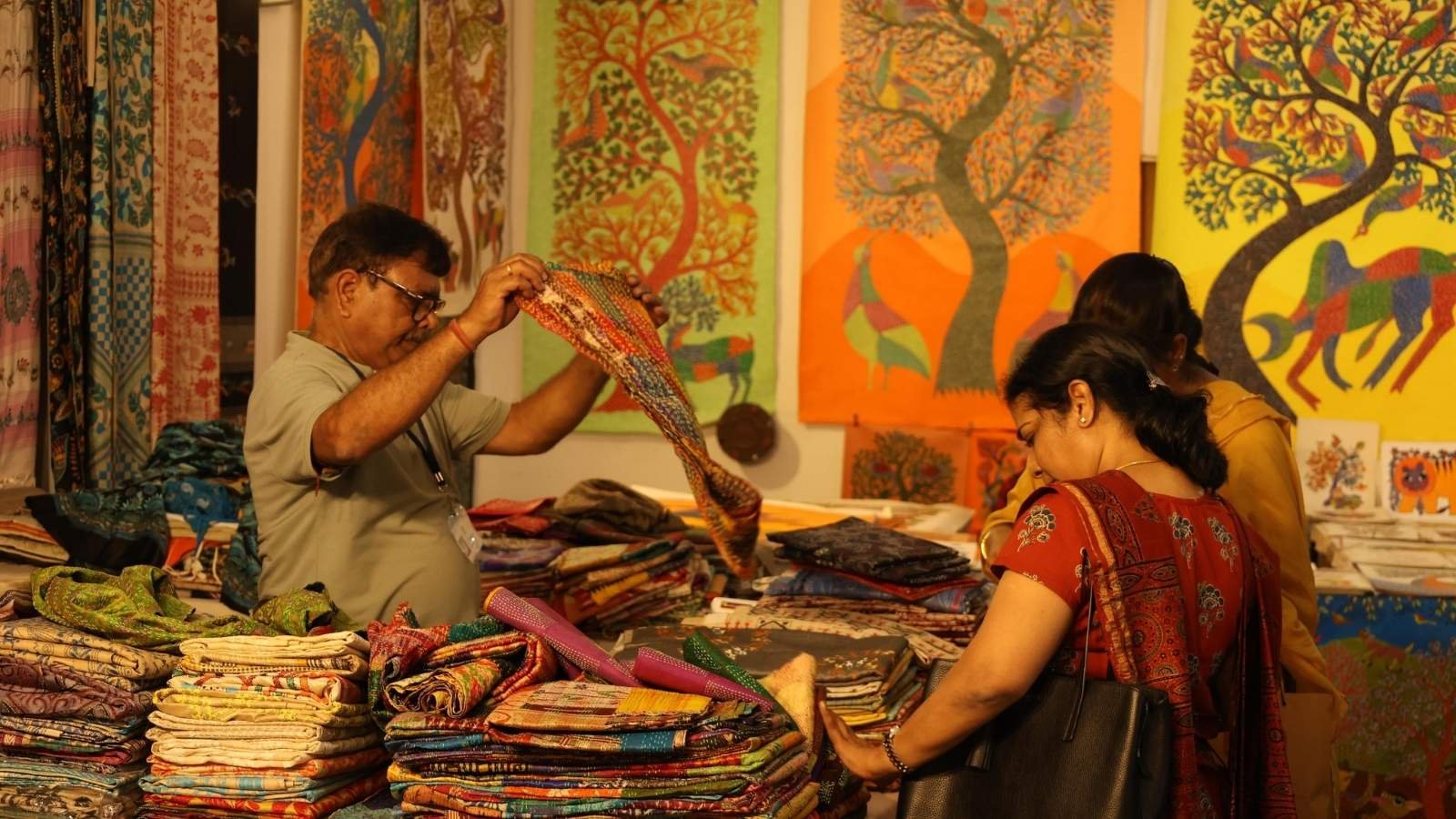
This festive season, while quick-commerce apps flood Delhi-NCR with mass-produced, factory-made decor, a much quieter, culturally rich revolution is taking place in the heart of the capital.
From October 23 to November 1, 2026, the Dastkari Haat Samiti (DHS) brings its annual Crafts Bazaar back to Handloom Haat in Janpath, transforming the venue into a vibrant celebration of handmade India. Over ten days, artisans and craftspeople from across the country are coming together, bringing with them heritage handlooms, indigenous paintings, natural-fibre crafts, and handmade treasures.
Founded in 1986 by Jaya Jaitly, the Dastkari Haat Samiti has spent the last four decades creating platforms for craftspeople, strengthening market access, and helping traditional knowledge find a place in contemporary life. More than just a festive shopping destination, the Janpath bazaar offers an opportunity to experience India through its regional materials—from the distinctive weaves of Kutch to the expressive Sohrai paintings of Hazaribagh.
To understand how Delhi’s relationship with traditional crafts has evolved, The Optimist News sat down for an exclusive interview with Ms. Jaya Jaitly. In this word-for-word exchange, the legendary craft revivalist discusses the danger of fast fashion, the resilience of regional artisans, and her ultimate sustainable gifting advice for Diwali.
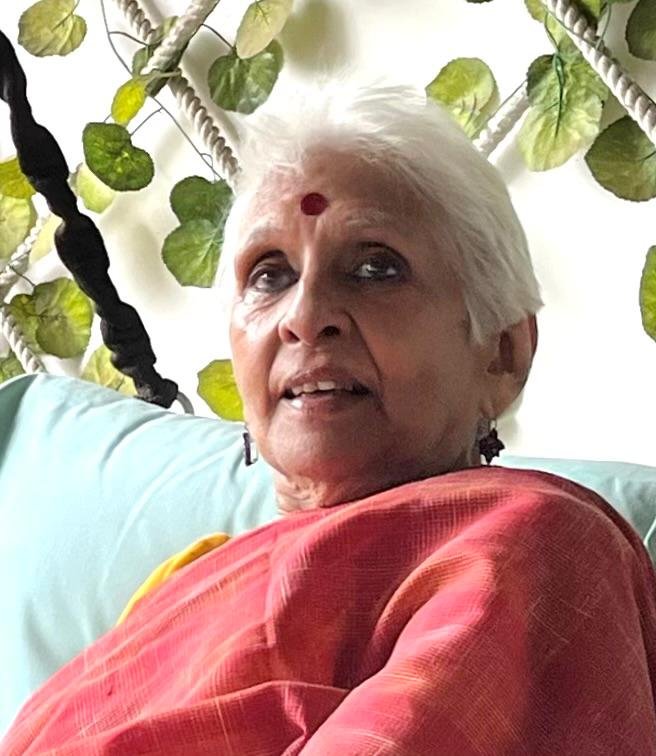
The Exclusive Q&A: Jaya Jaitly x The Optimist News
Tanusha Narula, The Optimist News: After four decades of organizing the Dastkari Haat Bazaar, how have you seen the Delhi consumer’s approach to traditional crafts change, especially among millennials and Gen Z?
Jaya Jaitly: I have never been very comfortable putting people into categories such as millennials and Gen Z. The appreciation of craft is not limited to any one generation; it means different things to different people.
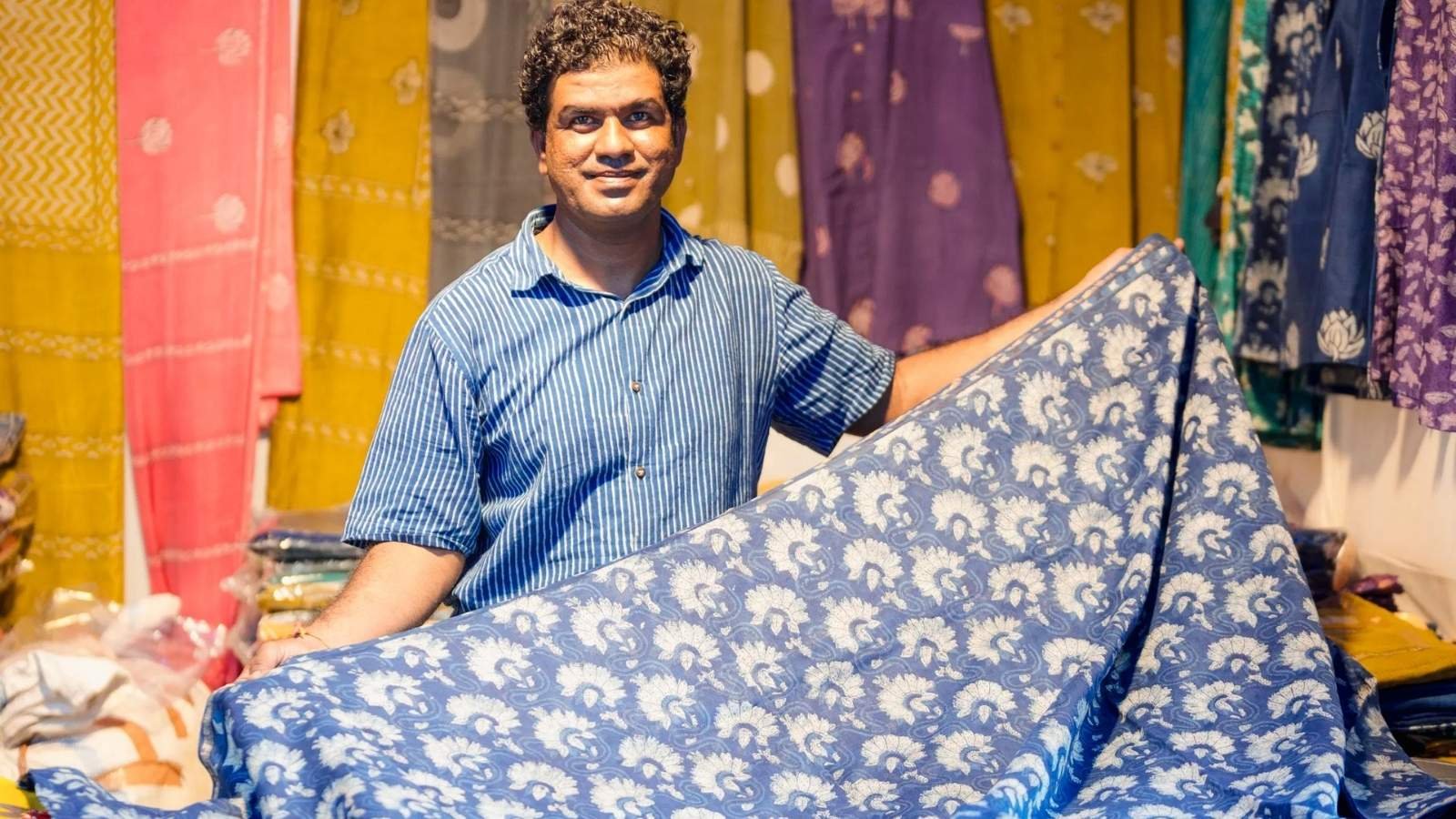
For older generations, it often brings back memories of the sarees their mothers and grandmothers wore. Younger people, meanwhile, are discovering crafts in new ways, whether through home décor, wedding shopping or the clothes they choose to wear. We are also seeing a renewed interest in sarees, and that is encouraging.
What matters is that young people are coming to the bazaar and engaging with handmade traditions. At the same time, we cannot expect craft to remain frozen in time. We must keep our work contemporary, absorb the changes around us and move with the times, without losing the heritage, knowledge and skills that make these traditions valuable.
The Optimist News: With the rise of fast fashion and mass-produced festive decor, how does the Dastkari Haat Samiti ensure that authentic handmade treasures remain competitive and relevant in contemporary homes?
Jaya Jaitly: Handmade crafts cannot compete with mass-produced goods on the basis of quantity, and that is not where their value lies. When something is manufactured in thousands, it will naturally be more widely available. But handmade objects carry the knowledge of a particular region, its materials and the skills of the people who make them.
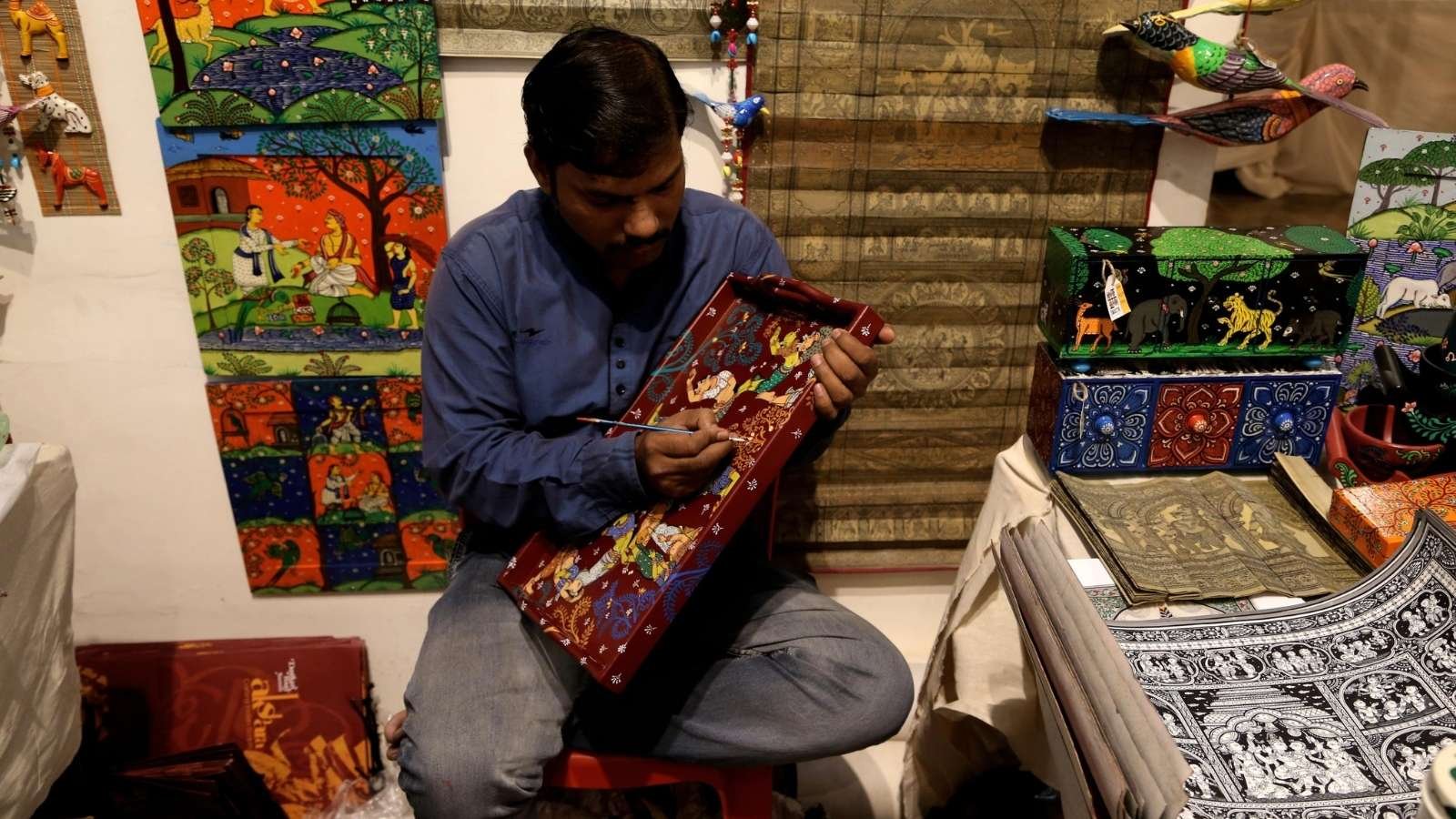
Take shola pith, a plant material found in Bengal that artisans use to create beautiful flower garlands. In southern India, artisans use palm leaves to make colourful birds and decorative hangings for weddings. These are expressions of regional traditions and knowledge that cannot simply be replicated by producing more plastic decorations.
The important thing is to recognise and remain connected to what is indigenous to India. Every region has its own designs, materials and ways of making. Of course, a person’s choices also depend on their taste and what they can afford. Sustainable materials, slow fashion and handmade products may still seem like choices available mainly to those with greater means, but I believe we need to understand their larger value. Supporting them is not just about what we buy; it is also about preserving our environment, our skills, and a way of life.
The Optimist News: Could you share a specific story of a regional artisan or craft community (e.g., the Sohrai painters or Sabai grass weavers) whose work is being spotlighted at this year’s bazaar?
Jaya Jaitly: Sohrai painting is a wonderful example of a traditional art form that did not receive much visibility earlier. Practised by tribal communities in Jharkhand, it is known for its beautiful animal forms and other figures painted on walls. Over time, this wall art has also found its way onto paper and canvas, allowing it to reach a wider audience.
When a tradition moves from a large wall to a smaller surface, the work naturally changes in scale and expression. The pieces may not have the same grandeur as the original wall paintings, but bringing them to the market is an important first step.
For artisans, engaging with the market can build confidence and open up opportunities to develop their work further. Our role at Dastkari Haat Samiti is to help create that initial platform. We want artisans to grow, find their own audiences, and eventually become independent. When they reach a point where they no longer need our support, that is when I feel we have done our job well.
The Optimist News: What is the one handmade item or craft tradition you believe every Delhi household should incorporate this festive season to support sustainable gifting?
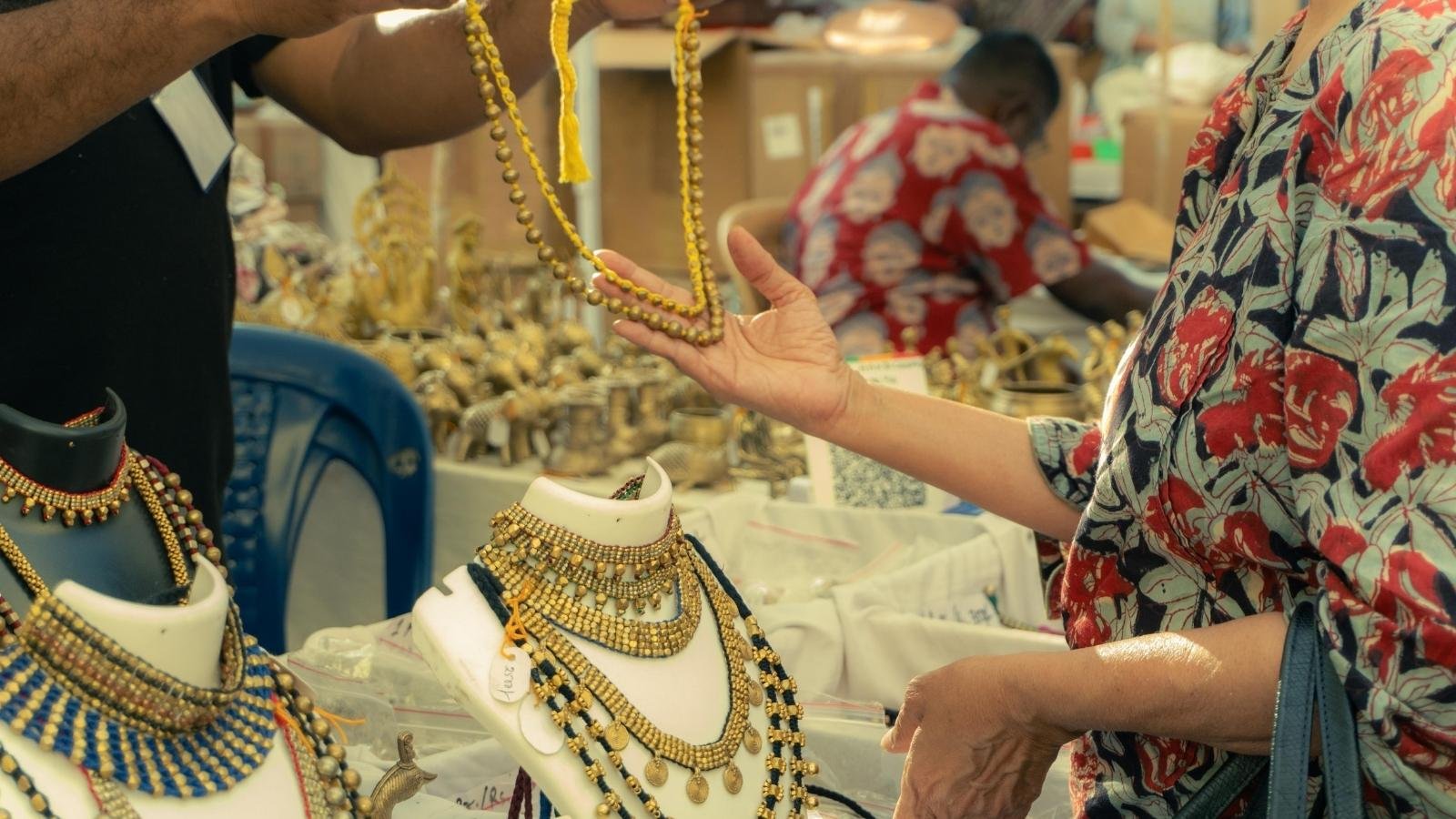
Jaya Jaitly: I would begin with what we wear. Whether it is a salwar kameez, a saree or a lehenga choli, I would encourage people to choose handloom or handcrafted clothing. When it comes to gifting, there is no shortage of handmade options. Metalwork, vessels, tableware, and objects that add beauty to a home can all make thoughtful gifts. I particularly value metal because it is a material that can last and continue to be useful over time.
Ultimately, a handmade gift is not just about the object itself. It is also a way of recognising the skill and labour that have gone into making it. We have so many bazaars in Delhi today, which is wonderful, but I hope people will look beyond the sheer number of things available and think about what they are choosing, who made it and what their purchase helps sustain.
Exhibition Details: Dastkari Haat Crafts Bazaar 2026
- When: 23 October – 1 November 2026
- Where: Handloom Haat, 76 India Connaught Lane, Atul Grove Road, Janpath, Connaught Place, New Delhi – 110001
- What to Discover: Regional textiles, Sohrai paintings, natural-fibre crafts (bamboo/cane), wooden and metal objects, and everyday contemporary crafts.
Looking to incorporate Ms. Jaitly’s advice on buying metalwork this Dhanteras? Read our Diwali 2026 Delhi-NCR Vastu & Wealth Guide to learn exactly where to place your new brass and silver purchases, or explore our District App Event Guide for more weekend activities.
