
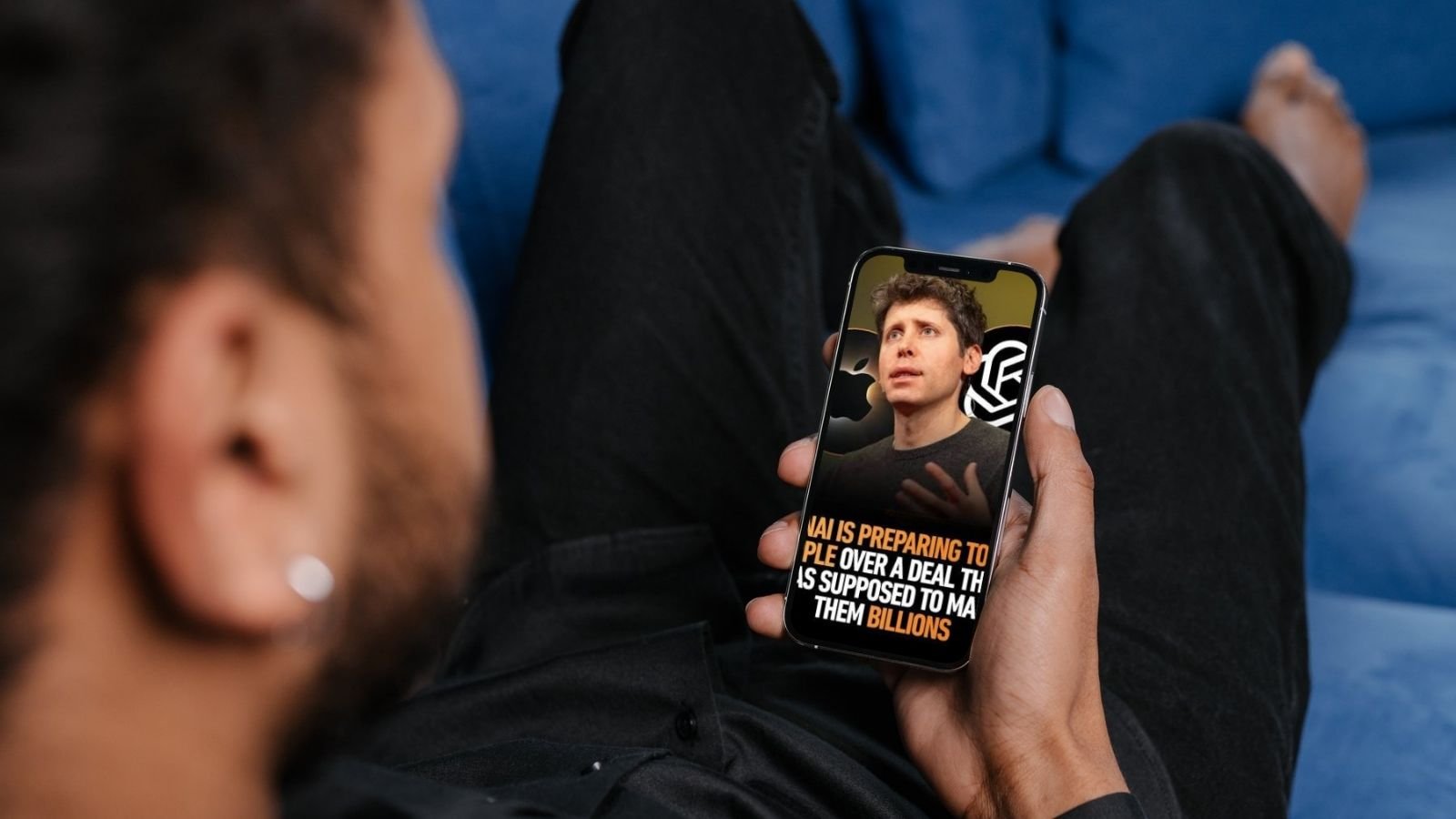
OpenAI Countersues Apple Over Supplier Coercion, Night-Shift Pressure, and Hardware Trade Secrets
OpenAI, its hardware subsidiary io Products, Chief Hardware Officer Tang Tan, and engineer Chang Liu filed 12 counterclaims against Apple in the U.S. District Court for the Northern District of California on Friday, November 27, 2026, accusing the iPhone maker of stealing OpenAI hardware trade secrets, intimidating shared Asian contract manufacturers, and enforcing unlawful employee non-solicitation restraints. The filing escalates a high-stakes legal battle ahead of the July 19, 2027 jury trial in Apple Inc. v. Liu, transforming what began as a software partnership—integrating ChatGPT into Apple devices—into an all-out war over next-generation AI hardware.
Apple dismissed the filing in a statement to the Financial Times as “a transparent attempt to distract from the substance of Apple’s lawsuit, in which OpenAI has already been ordered to stop using Apple’s confidential information,” adding that its internal investigation found no evidence of OpenAI trade secrets on its systems. For technology investors, supply-chain executives, and enterprise security leaders, however, the newly unsealed counterclaims expose how aggressively Silicon Valley’s largest incumbents are defending hardware manufacturing pipelines and engineering talent.
Supply-Chain Coercion: Supplier Disclosures and ‘Night-Shift’ Workarounds
At the center of OpenAI’s complaint is the physical supply chain required to build consumer AI devices following OpenAI’s $6.4 billion acquisition of Jony Ive’s hardware startup, io Products, in May 2025. In court documents answering Apple’s July 2026 lawsuit, OpenAI confirmed it has engaged major Chinese contract manufacturers Luxshare and Goertek—two pillars of Apple’s global assembly network—while leaving the specific pressured vendors unnamed.
OpenAI alleges Apple leveraged its purchasing power to choke off OpenAI’s hardware roadmap through three specific tactics:
- Forced Project Disclosures: Apple allegedly demanded that shared suppliers reveal details of their active projects for OpenAI, including the names and specific assignments of engineers working on the AI company’s devices.
- Costly ‘Night-Shift’ Segregation: According to the filing, fear of losing lucrative Apple contracts pushed one supplier to shift OpenAI manufacturing operations entirely onto the night shift so work would not overlap with Apple’s daytime production lines—driving up OpenAI’s manufacturing costs.
- Abandoned Supplier Agreements: Another vendor allegedly walked away from planned hardware work with OpenAI altogether following direct pressure from Cupertino, forming the basis of OpenAI’s California tortious interference counterclaim.
The ‘Employee X’ Exfiltration Timeline and Trade-Secret Claims
While Apple’s original July 2026 suit accused former Apple engineers Tang Tan and Chang Liu of taking confidential Apple files and hardware components when joining OpenAI, OpenAI’s countersuit alleges the exact reverse occurred when a former OpenAI hardware engineer—referred to in court papers as “Employee X”—returned to Apple in mid-2026:
| Date | Key Event in OpenAI’s ‘Employee X’ Filing |
| December 2, 2025 | Employee X joins OpenAI’s hardware organization after previously working at Apple. |
| February 5, 2026 | Employee X transmits a 76-page supplier measurement procedure to a personal phone number. |
| May 8, 2026 | Employee X sends a proprietary resin color workbook to a personal number. |
| May 19, 2026 | Employee X notifies his supervisor that he is resigning from OpenAI. |
| May 28 – June 1, 2026 | Just before his June 2 departure, Employee X sends nine compressed archives—totaling over 100 files of unreleased device imagery, manufacturing specs, and supplier data—to personal accounts/numbers in China and Singapore. |
| July 2026 | After rejoining Apple, Employee X leads a briefing for senior Apple Asia-Pacific operations staff. |
| October 9–14, 2026 | OpenAI sends a formal cease-and-desist letter to Apple and flags the alleged breach in federal court. |
OpenAI also accused Apple of encouraging employees to store corporate files on personal devices and personal cloud accounts—creating what the complaint called a legal “trapdoor” that allows Apple to accuse departing engineers of data misappropriation. Beyond trade secrets, Tang Tan (who led iPhone and Apple Watch design during a 24-year Apple tenure) and Chang Liu brought individual claims under California Business and Professions Code §§ 16600 and 16600.5, challenging Apple’s Intellectual Property Agreements and one-year non-solicitation rules across the 400+ former Apple employees now employed at OpenAI.
Inside the 12 Counterclaims and Road to the July 2027 Trial
With OpenAI withdrawing its motion to dismiss Apple’s original complaint on the same day it filed its counterclaims, both tech giants have requested a jury trial in California federal court.
- Plaintiffs & Legal Statutes: OpenAI and io Products assert claims under the federal Defend Trade Secrets Act (18 U.S.C. § 1836), California contract-interference law, and Cal. Bus. & Prof. Code § 17200, while Chang Liu adds claims under the Computer Fraud and Abuse Act (18 U.S.C. § 1030) and California’s constitutional privacy protections.
- Upcoming Court Deadlines: Apple’s formal answer to OpenAI’s counterclaims is due December 18, 2026 under the 21-day federal rule. Substantial document production is scheduled for February 5, 2027, fact discovery closes March 12, 2027, and trial opens July 19, 2027.
The Enterprise Security Lesson: Locking Down R&D on Hybrid Networks
Whether a company is building frontier AI hardware in California or managing distributed engineering teams in Bengaluru, Gurugram, and London, the Apple v. OpenAI filings highlight a universal corporate vulnerability: intellectual property leakage across personal devices, consumer cloud apps, and unmanaged networks. As OpenAI consolidates its desktop tools into unified workspaces—following OpenAI’s August 2026 shutdown of its standalone ChatGPT Atlas browser—security teams face heightened pressure to isolate proprietary files from personal endpoints.
Modern CISOs mitigate offboarding and supply-chain data risks by pairing Data Loss Prevention (DLP) policies with enterprise VPNs and static-IP Conditional Access controls, ensuring sensitive CAD files, supplier workbooks, and cloud repositories remain encrypted in transit and inaccessible from unauthorized personal accounts.
Frequently Asked Questions: OpenAI vs. Apple Countersuit
Why did OpenAI countersue Apple on November 27, 2026?
OpenAI, its hardware unit io Products, and former Apple executives Tang Tan and Chang Liu filed 12 counterclaims accusing Apple of stealing OpenAI hardware trade secrets, pressuring shared suppliers not to work with OpenAI, and enforcing illegal employment restraints under California law.
Which suppliers did OpenAI confirm it is working with for its AI hardware?
In its court answer, OpenAI confirmed it has engaged major Chinese contract manufacturers Luxshare and Goertek for its hardware initiatives following its $6.4 billion acquisition of Jony Ive’s io Products.
What is Apple’s response to OpenAI’s countersuit?
Apple stated that OpenAI’s countersuit is “a transparent attempt to distract from the substance of Apple’s lawsuit” and maintained that its internal investigation found no evidence that OpenAI confidential information was used at Apple.
When does the Apple vs. OpenAI trial begin?
Apple’s formal response to the counterclaims is due December 18, 2026, fact discovery closes March 12, 2027, and the jury trial in Apple Inc. v. Liu is scheduled to begin on July 19, 2027 in California federal court.
