
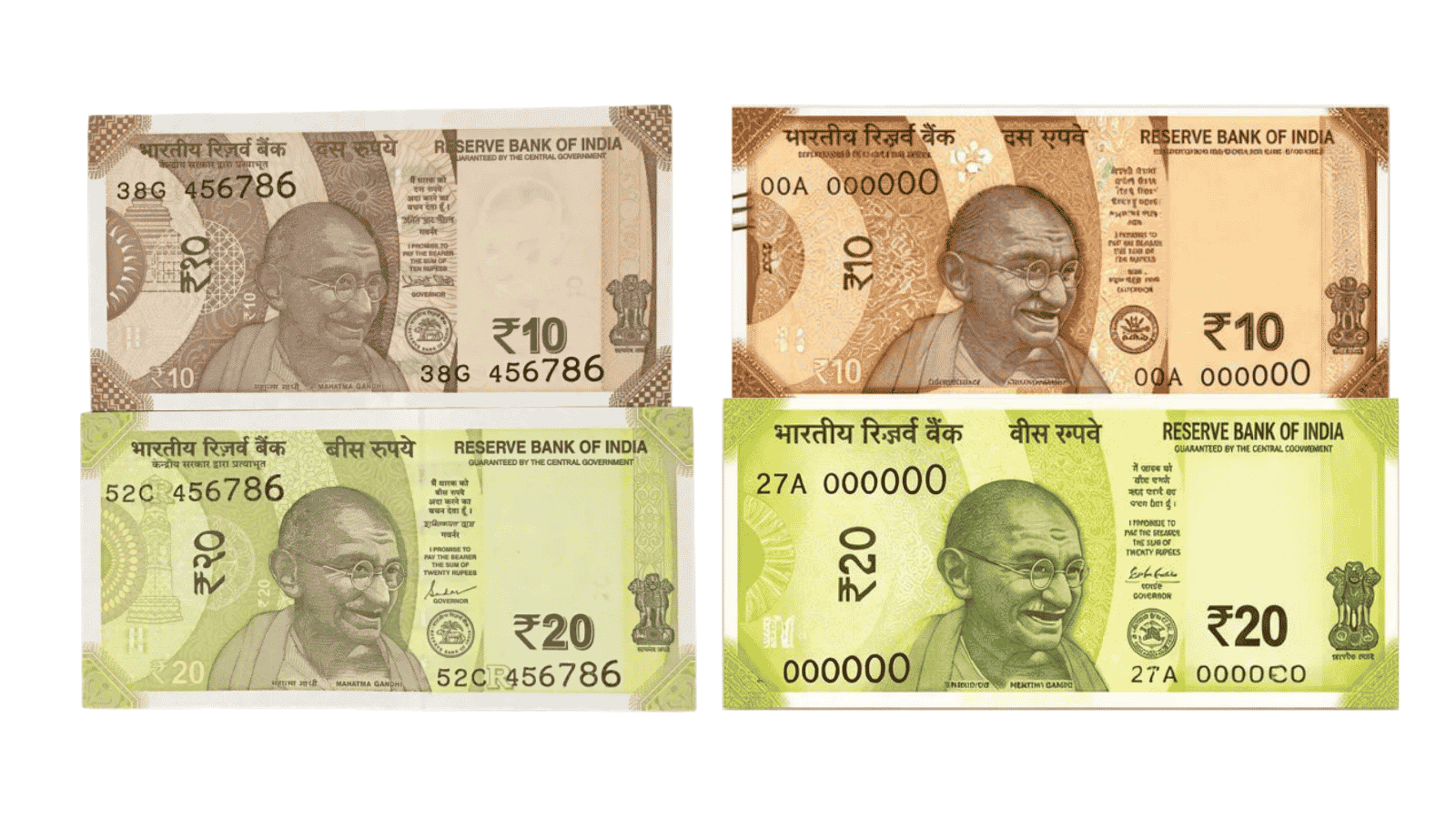
India Approves 1 Billion Polymer Banknotes: How New ₹10 and ₹20 Notes Will Change Daily Cash
In a landmark step toward modernizing physical currency and drastically extending banknote lifespans, the Central Government has approved the introduction of 1 billion polymer banknotes each for the ₹10 and ₹20 denominations for nationwide field trials.
The official confirmation came from Union Finance Minister Nirmala Sitharaman in a written reply to the Rajya Sabha on Tuesday, August 11, 2026. The strategic decision follows a formal proposal submitted by the Reserve Bank of India (RBI), backed by its Central Board under Section 25 of the Reserve Bank of India Act, 1934.
Understanding the Polymer Trial: What Changes for Consumers?
Low-denomination banknotes like ₹10 and ₹20 experience high transactional velocity across India’s retail ecosystem. Consequently, traditional cotton-paper substrate notes wear out rapidly due to folding, moisture, and soil accumulation, requiring frequent and expensive re-printing cycles by the central bank.
Dual Circulation Model
To ensure a smooth transition without market disruption, the new polymer notes will not immediately replace existing currency. As outlined in Parliament, these plastic-based banknotes will circulate alongside paper substrate-based banknotes during the initial trial phase.
Procurement Timeline and Operational Costs
The government clarified that the RBI’s procurement process for polymer substrate notes remains in its early stages. Because global and domestic procurement workflows are currently being finalized, exact timelines for nationwide public distribution and overall budgetary expenditures will be determined as procurement matures.
Why Polymer over Paper? Durability and Counterfeit Resistance
Polymer banknotes are constructed from a non-porous, flexible synthetic plastic material (polypropylene). This structural change delivers distinct operational advantages over conventional paper notes.
Key Advantages of Plastic Currency:
- Extended Service Life: Polymer notes last between 2.5 to 4 times longer than traditional paper notes, substantially reducing printing and destruction overheads for the central bank.
- Moisture and Dirt Resistance: The non-absorbent surface prevents sweat, water, and dirt accumulation, keeping currency hygienic even in high-humidity regional climates.
- Advanced Security Features: Polymer substrates allow transparent windows, metallic holograms, and tactile micro-engravings that are exceptionally difficult for counterfeiters to replicate.
- Environmental Sustainability: Although plastic-based, the significantly longer operational lifespan combined with 100% recyclability at the end of their lifecycle reduces overall carbon footprints compared to frequent paper note replacement.
Parliament Economic Snapshot: Inflation, GST, and Tax Relief
Alongside the currency announcement, the Finance Ministry presented a comprehensive parliamentary update regarding India’s macroeconomic stability, highlighting steady inflation declines and indirect tax rationalization designed to bolster domestic consumption.
| Economic Parameter | Performance Metric / Update | Consumer & Market Impact |
| Retail Inflation (CPI) | Declined from 5.4% (2023–24) to 2.1% (2025–26); Q1 2026–27 at 3.9% | Remains comfortably below the RBI’s 4.0% upper inflation target |
| Income Tax Threshold | Exemption up to ₹12 Lakh (₹12.75 Lakh for salaried) | Substantially boosts net disposable income for middle-income households |
| GST Rate Structure | Streamlined into a 2-rate structure (18% & 5%) | Reduced tax burdens on daily household essentials |
| Fuel & Food Import Duties | Reduced BCD on edible oils; Central Excise cut on fuel | Shields consumers from West Asia geopolitical price shocks |
| Per Capita Consumption (PFCE) | PFCE growth accelerated to 6.8% in 2025–26 (up from 4.8%) | Reflects strong household purchasing power and consumer confidence |
Inflation Trends and Global Commodity Dynamics
Data submitted by the Ministry of Statistics and Programme Implementation reveals that average retail inflation measured by the Consumer Price Index (CPI) has cooled steadily from 5.4% in FY 2023–24 down to 2.1% in FY 2025–26.
While seasonal vegetable price hikes, El Niño weather patterns, and global energy market volatility stemming from West Asia conflicts briefly pushed Q1 2026–27 inflation to 3.9%, domestic price levels remain well within the RBI’s mandatory 4% target band.
Direct & Indirect Tax Reforms Boosting Household Disposable Income
To cushion households against living costs and stimulate private spending, the government highlighted two major structural fiscal reforms:
1. GST Rate Rationalization
Following recommendations from the Goods and Services Tax Council, indirect taxes were restructured into a simplified two-rate model. Standard rates were reduced from 28% to 18%, and several essential items dropped from 18% down to 12%, 5%, or zero duty.
2. Expanded Income Tax Exemptions
By exempting annual individual incomes up to ₹12 lakh (effectively ₹12.75 lakh for salaried individuals following standard deductions), direct tax burdens have eased dramatically. These measures have stabilized Private Final Consumption Expenditure (PFCE) at 56.5–56.7% of national GDP, while per capita consumption growth rose sharply to 6.8%.
Readers exploring broader shifts across Indian financial markets and consumer trends can follow our latest updates in the tech innovation coverage and lifestyle and culture updates sections.
Frequently Asked Questions (FAQs)
Will existing ₹10 and ₹20 paper notes become invalid when polymer notes are launched?
No. The RBI has explicitly confirmed that polymer banknotes will circulate simultaneously alongside existing paper substrate banknotes during field trials. Paper notes remain full legal tender.
Why is the RBI starting polymer trials with ₹10 and ₹20 notes?
Lower denomination notes like ₹10 and ₹20 experience the highest frequency of physical handling and soil exposure in daily transactions. Introducing durable polymer substrates for these denominations yields the highest cost-efficiency and extends banknote lifespans significantly.
What is the new income tax exemption limit announced in Parliament?
Annual individual incomes up to ₹12 lakh are exempt from income tax. For salaried individuals, the effective tax-free threshold reaches ₹12.75 lakh after accounting for the standard deduction.
