
Delhi’s All-Women E-Bus Fleet: 56 Dedicated Corridors for Students and Professionals
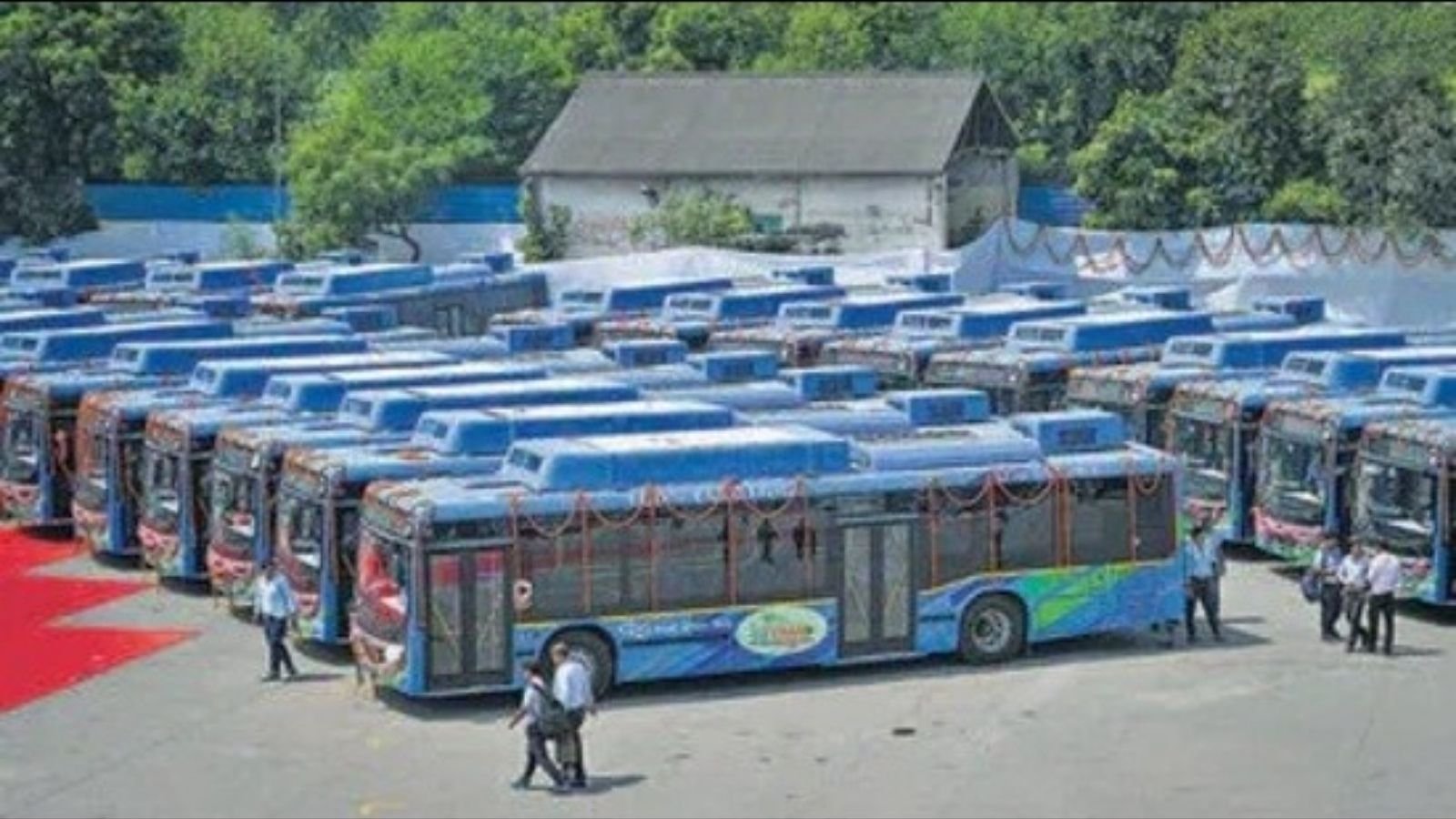
In a major push toward safer and more accessible public transit, the Delhi government has officially launched a dedicated network of 56 women-only electric bus services. Flagged off by Delhi Chief Minister Rekha Gupta alongside Transport Minister Dr. Pankaj Kumar Singh, the initiative aims to transform daily travel for thousands of working women and university students across 28 high-footfall corridors in the national capital.
The strategic rollout combines zero-emission electric vehicles with specialized routing designed to eliminate transit friction during morning and evening rush hours. By pairing safety infrastructure with reliable timetables, the state government is expanding dedicated public transit options while accelerating its transition to clean urban mobility.
Dedicated Corridors for DU Students and Working Women
The new women-only e-bus network operates under two main operational categories: University Ladies Special (U-SPL) and Ladies Special office routes. Out of the 56 total services, 26 U-SPL e-buses are specifically aligned with college timetables to support students commuting to Delhi University’s North and South Campuses as well as other premier educational institutes. These routes directly connect major residential hubs—including Najafgarh, Rohini, Janakpuri, Mundka, Mayur Vihar, Kalkaji, Palla, and Dhaula Kuan—to academic centers.
To support working professionals, 30 Ladies Special services operate across 15 high-demand commercial corridors. These buses run during morning peak hours (7:52 AM to 9:00 AM) and return during evening hours (4:32 PM to 6:15 PM), offering direct connectivity between suburban residential neighborhoods and major employment centers like Connaught Place, AIIMS, Nehru Place, South Extension, ITO, Karol Bagh, and Shivaji Stadium.
Overview of Delhi’s Dedicated Women-Only Transit Network
| Transit Category | Total Services | Corridors Covered | Key Operational Hubs & Connectivity |
| University Ladies Special (U-SPL) | 26 Services | 13 Routes | DU North/South Campuses, Rohini, Janakpuri, Mayur Vihar, Kalkaji |
| Ladies Special (Office Hours) | 30 Services | 15 Routes | AIIMS, Connaught Place, Nehru Place, ITO, Karol Bagh, Shivaji Stadium |
| Safety & Security Features | Full Fleet | Citywide | Panic buttons, OCC-linked CCTV, low-floor ramps, female marshals |
| Fare Integration | All 56 Buses | All Routes | Fully integrated with the Pink Saheli Smart Card for zero-cost travel |
High-Tech Safety Measures and Smart Card Integration
Safety remains the cornerstone of this dedicated fleet upgrade operated by the Delhi Transport Corporation. Every electric bus in the network is equipped with real-time CCTV surveillance cameras, emergency panic buttons connected directly to the Central Operation Control Centre (OCC), and low-floor ramps to ensure complete accessibility for commuters with disabilities. To maintain a secure environment, trained bus marshals or female police personnel are deployed onboard high-density routes.
To make daily transit seamless, all 56 services are fully integrated with the Pink Saheli Smart Card system, enabling eligible women commuters to enjoy zero-cost, cashless travel across the capital. This initiative builds on broader national policies and women empowerment schemes in India, which focus on increasing female labor force participation by reducing urban commuting risks.
Expanding Delhi’s Clean Energy Fleet Beyond 6,800 Buses
The launch of the women-only fleet was part of a larger transit rollout that introduced 200 new zero-emission electric buses to the capital’s roads. The new batch includes 112 Delhi Electric Vehicle Interconnector (DEVI) 9-meter buses designed for narrow suburban routes, along with 88 standard 12-meter electric buses.
With this latest induction, the capital’s total electric bus fleet reaches 4,938 vehicles, pushing the broader Delhi public transit network to nearly 6,800 active buses. This expansion forms part of the state government’s target to deploy nearly 14,000 public buses by FY 2028-29, solidifying Delhi’s position as a regional leader in clean urban transport.
Driving Gender Equality Through Safe Commuting Options
Ensuring reliable, harassment-free transit options is essential for fostering gender equality and accessible education across urban centers. Public safety concerns often restrict women’s mobility, impacting their educational choices and career growth. By guaranteeing dedicated space during peak commuting hours, the state transport department addresses long-standing safety concerns while lowering daily travel expenses.
Similar structural updates reported across Delhi’s urban infrastructure network demonstrate how modernized transit corridors, smart ticketing systems, and dedicated safety networks can create an inclusive capital city.
