
5 Young Women Entrepreneurs in Delhi-NCR Reshaping the Startup Landscape
Across Delhi, Gurugram, and Noida, a dynamic wave of young female founders is fundamentally transforming the Indian business landscape. Rejecting traditional corporate career tracks, these leaders are launching scalable, purpose-driven ventures before reaching their thirties. Combining financial sustainability with environmental consciousness and social impact, these entrepreneurs demonstrate how purpose and profitability can successfully coexist in modern commerce.
From reviving ancient metalwork and preserving artisanal embroidery to engineering enterprise tech and circular textiles, these five innovators highlight the depth of entrepreneurial talent thriving across National Capital Region (NCR) startup hubs.
| Entrepreneur | Startup | Core Industry | Primary Impact Area |
| Aakriti Rawal | House of Chikankari | D2C Fashion & Craft | Sustainable artisan livelihoods & craft preservation |
| Kirti Goel | P-TAL | Artisanal Cookware | Reviving UNESCO-recognized metal craftsmanship |
| Ashita Singhal | Paiwand Studio | Sustainable Textiles | Diverting industrial textile waste from landfills |
| Aditi Sinha | Locale.ai | Enterprise Tech & AI | Advancing female leadership in spatial analytics |
| Sudiksha Jain | NeceSera | Sustainable Loungewear | Zero-waste production & eco-friendly textile dyes |
Aakriti Rawal: Modernizing Heritage Craft
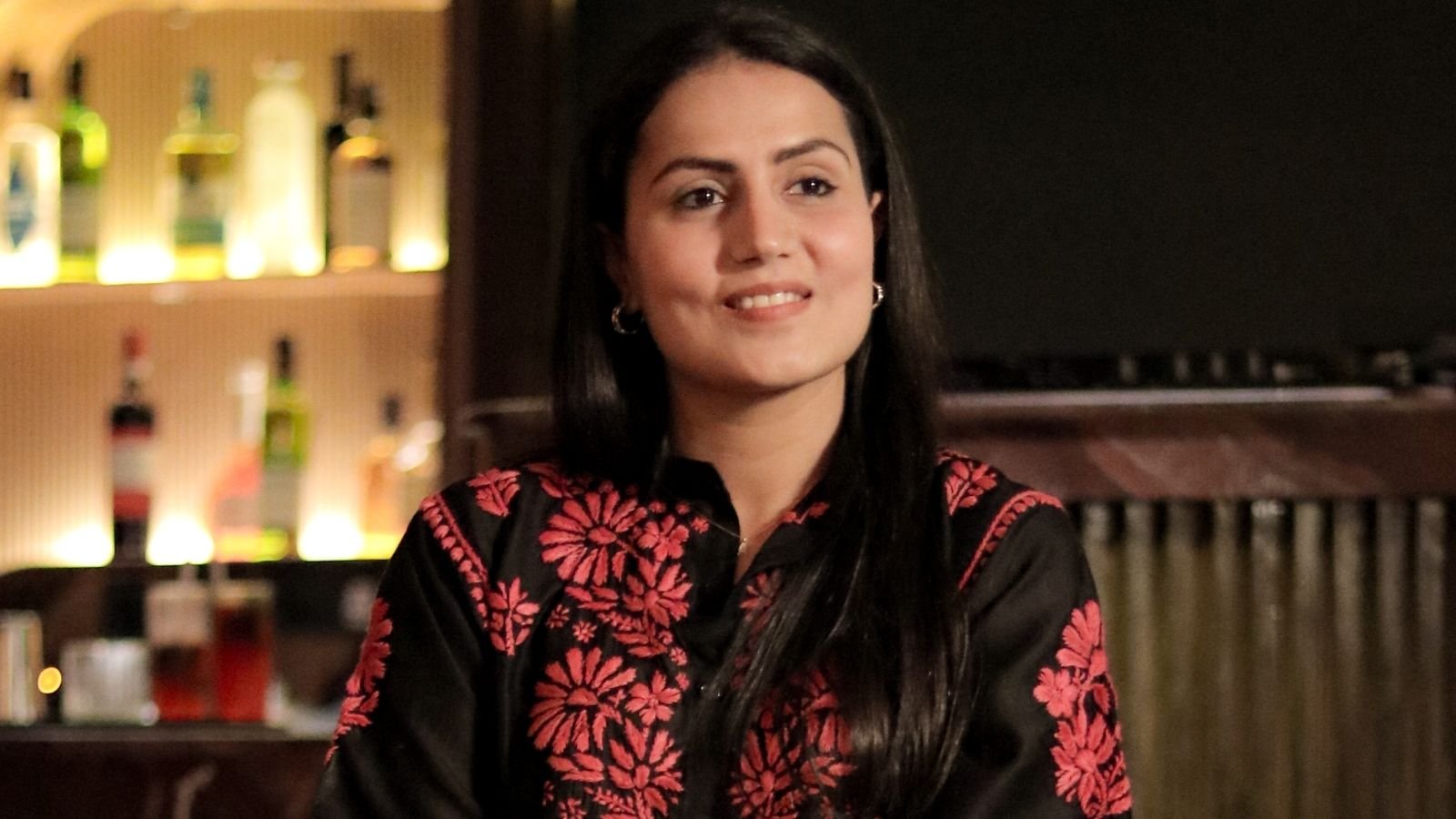
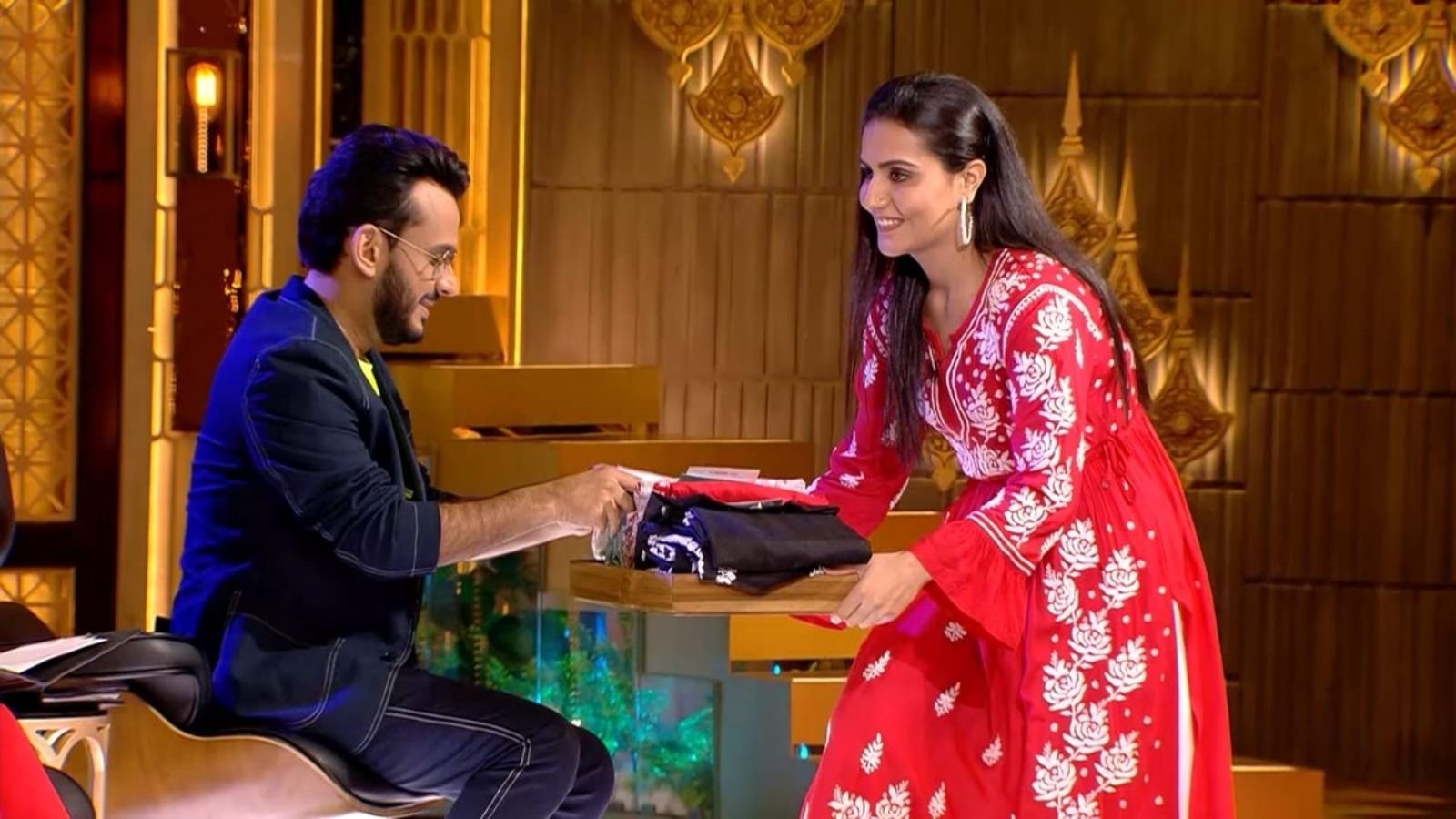
Co-founding House of Chikankari alongside her mother Poonam Rawal, Aakriti Rawal set out to digitize and globalize traditional Lucknowi hand-embroidery. After earning widespread recognition following a successful feature on Shark Tank India, Rawal secured a spot on the prestigious Forbes 30 Under 30 Asia list.
- Artisan Empowerment: Provides sustainable, direct livelihoods to thousands of female artisans across rural Uttar Pradesh.
- Preserving Heritage: Protects authentic hand-embroidery against low-quality, machine-made imitations in national retail markets.
Kirti Goel: Reviving Ancient Utensil Craftsmanship

Originating as a college project at Delhi’s Shri Ram College of Commerce (SRCC), Kirti Goel co-founded P-TAL to save India’s traditional brass, copper, and kansa utensil industry from extinction. The brand focuses on the Thatheras of Jandiala Guru, whose metal-hammering technique represents an important cultural legacy.
- Livelihood Restoration: Restores economic stability for traditional artisan families practicing UNESCO-recognized heritage craftsmanship.
- Sustainable Living: Promotes non-toxic, eco-friendly cookware alternatives to modern synthetic non-stick products while supporting traditional craft communities.
Ashita Singhal: Pioneering Zero-Waste Textiles
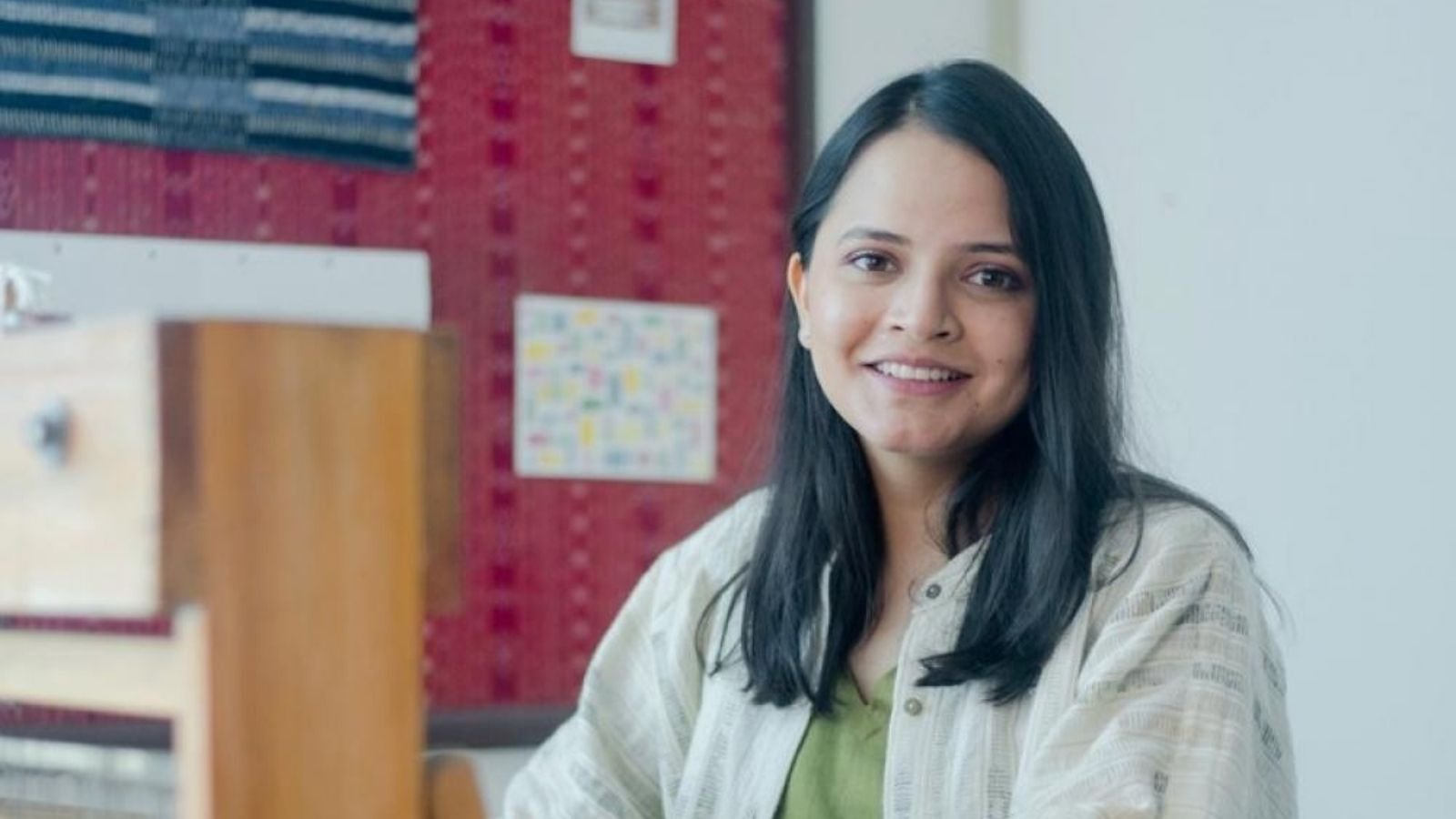
Addressing the textile waste generated by fast fashion, Ashita Singhal established Paiwand Studio in Noida. Her upcycling design house partners with apparel manufacturers and fashion labels to collect discarded fabric scraps and re-weave them into high-end luxury textiles.
- Landfill Diversion: Diverts thousands of kilograms of textile waste from municipal landfills each year.
- Circular Fashion: Combines traditional handloom weaving with waste management to build a functional closed-loop textile system that honors India’s handcrafted textile heritage.
Aditi Sinha: Driving Innovation in Enterprise Tech

Entering the deep-tech sector straight out of college at age 23, Aditi Sinha co-founded Locale.ai, a spatial analytics platform designed for global logistics, mobility, and delivery operators. She successfully built an international team and raised venture capital from global technology investors.
- Tech Diversity: Expands female representation within early-stage software engineering and data analytics leadership.
- Logistics Efficiency: Helps fleet operators optimize routing algorithms, reducing fuel consumption and operational carbon footprints.
Sudiksha Jain: Redefining Eco-Conscious Loungewear

Operating out of Gurugram, Sudiksha Jain co-founded NeceSera alongside her sister Riddhi Jain to create premium, sustainable loungewear. By utilizing organic cotton blends, bamboo fabrics, and eco-friendly dye processes, the brand has established a loyal national customer base.
- Environmental Safety: Implements non-toxic fabric processing that prevents chemical runoff from entering local waterways.
- Ethical Manufacturing: Ensures fair wage structures and safe working conditions across all manufacturing facilities.
Driving Sustainable Change Across Industries
These five founders illustrate that building high-impact enterprises requires vision, operational discipline, and persistence. By embedding social responsibility, environmental stewardship, and tech innovation directly into their business models, they serve as a blueprint for future builders. Their success reflects a broader national movement toward expanding targeted female entrepreneurship and empowerment programs.
