
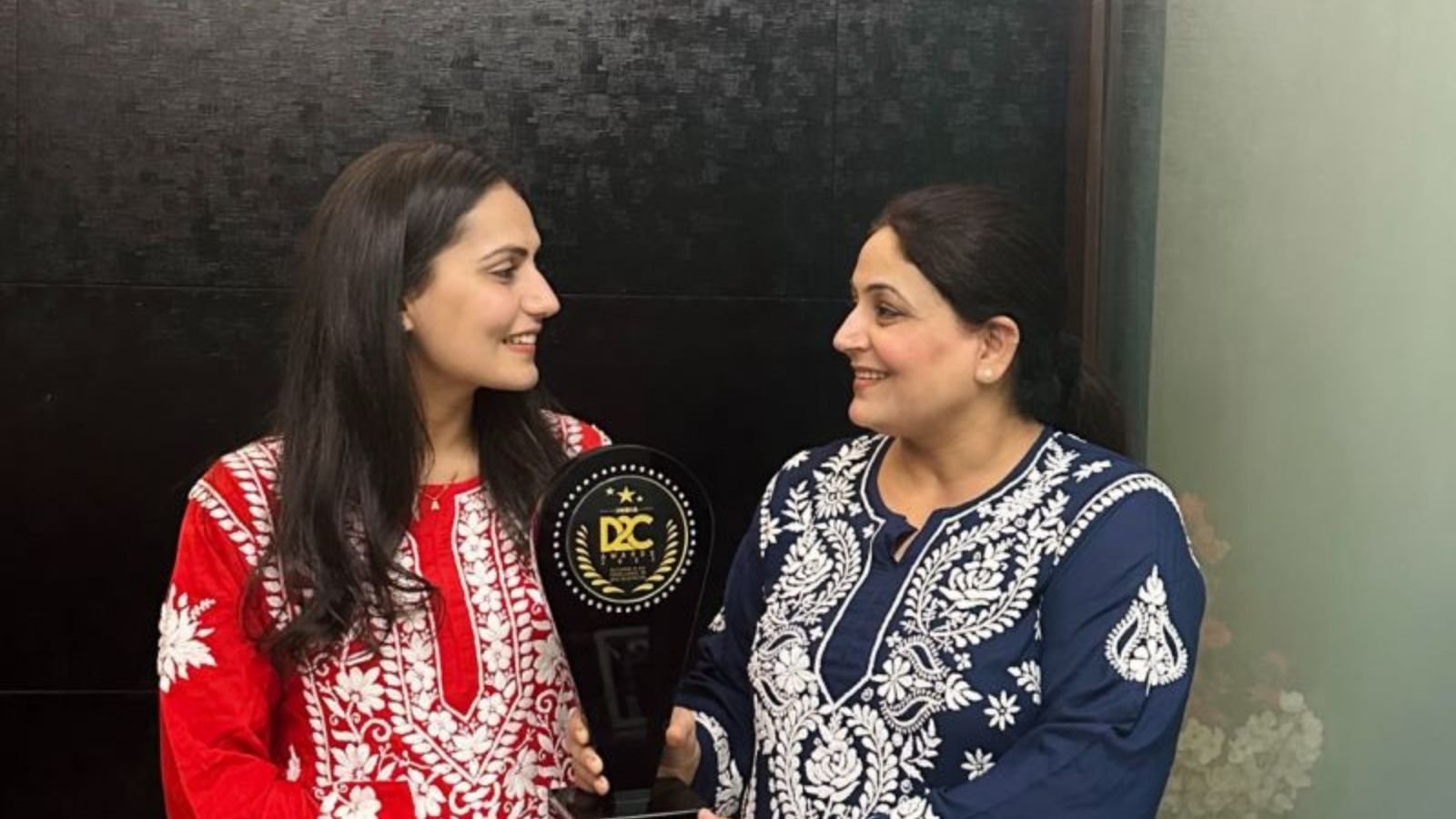
How Aakriti Rawal Turned a ₹70 Lakh Family Loan into a ₹125 Crore Global Craft Empire
When 24-year-old Aakriti Rawal returned to India after completing her higher education in London, she chose not to pursue a standard corporate path. Instead, she recognized an opportunity to modernize India’s traditional embroidery heritage while encouraging her mother, Poonam Rawal, to step beyond her role as a traditional homemaker. Together, they launched House of Chikankari, transforming an informal artisan sector into a structured direct-to-consumer (D2C) brand.
By combining academic strategy with grassroots craft knowledge, the mother-daughter duo scaled their initial setup into a fashion house now valued at ₹125 Crore, creating a blueprint for modern family-led enterprise.
Academic Precision Meets Grassroots Craft Genius
Aakriti laid her business foundation in the United Kingdom, earning her bachelor’s degree at King’s College London before completing a master’s degree at Imperial College Business School. Her academic training focused heavily on marketing analytics and digital scaling strategies—skills essential for navigating competitive digital retail markets.
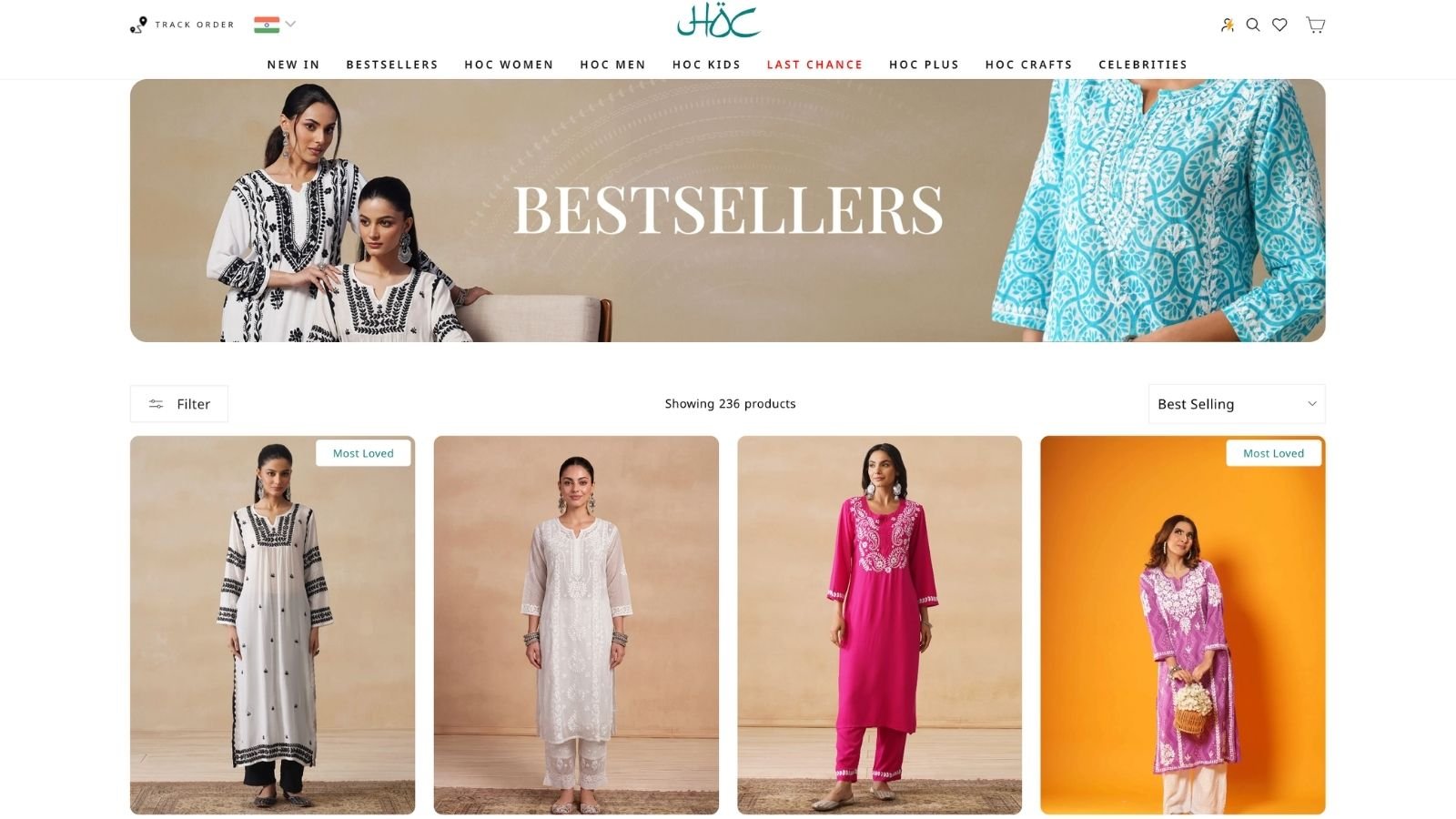
Upon returning to India, Aakriti partnered with her mother, Poonam, whom she describes as the operational core of the venture. While Aakriti manages digital branding, performance marketing, and corporate strategy, Poonam oversees production pipelines, fabric selection, and master artisan networks in Lucknow. To kickstart operations under parent entity Indiville Merchandize Private Limited, Aakriti’s father provided an initial seed loan of ₹70 Lakhs in exchange for a 25% equity stake.
| Key Profile Metric | Financial & Operational Details |
| Founders | Aakriti Rawal (CEO) & Poonam Rawal (Head of Product) |
| Parent Entity | Indiville Merchandize Private Limited |
| Current Valuation | ₹125 Crore (Source: Tracxn) |
| Founder Equity Stake | 64.41% majority holding (~₹80.5 Crore asset value) |
| Artisan Network Impact | 5,000 to 10,000 women embroidery artisans in Lucknow |
| International Revenue Share | 33%+ of total sales generated across 20+ countries |
| Notable Investors | Aman Gupta (boAt), Peyush Bansal (Lenskart) |
The Shark Tank India Breakthrough and Market Expansion
The brand’s trajectory accelerated dramatically following its appearance on Shark Tank India Season 2. The founders delivered a compelling pitch that secured a joint investment from boAt co-founder Aman Gupta and Lenskart founder Peyush Bansal. Beyond financial capital, the deal provided strategic guidance that helped streamline logistics and digital marketing operations.
The enterprise has since achieved a private market valuation of ₹125 Crore according to market intelligence platform Tracxn financial metrics. The co-founding duo maintains a 64.41% controlling equity stake in the company, placing their combined holding value at over ₹80 Crore. This financial growth reflects a broader trend among high-performing female entrepreneurs across India’s booming consumer technology sector.
Empowering Lucknow’s Women Artisans at Scale
Central to the brand’s operational model is its commitment to social impact. Before the digitization of the trade, many traditional Lucknowi embroidery artisans worked through multi-layered intermediary networks, earning inconsistent wages. House of Chikankari established a direct supply framework that provides steady year-round income to between 5,000 and 10,000 women artisans across Lucknow.
By digitizing sales and maintaining strict quality standards, the venture safeguards traditional textile crafts against machine-made mass duplicates. This commitment to sustainable artisan livelihoods aligns closely with broader national women empowerment initiatives.
Global Reach and Future Kashmiri Handloom Expansion
Today, over 33% of total revenue originates from international markets across 20 countries, driven by demand among the global Indian diaspora and international buyers. Her achievements earned her a spot on the prestigious Forbes 30 Under 30 list.
Looking ahead, Rawal plans to transition the brand from an exclusive online store to major digital marketplaces globally. Additionally, the company is preparing to replicate its supply chain framework in Kashmir, partnering with local handloom clusters to develop premium, handcrafted winter wear. This expansion aims to build another sustainable bridge connecting traditional Indian artisan communities directly with global markets.
