
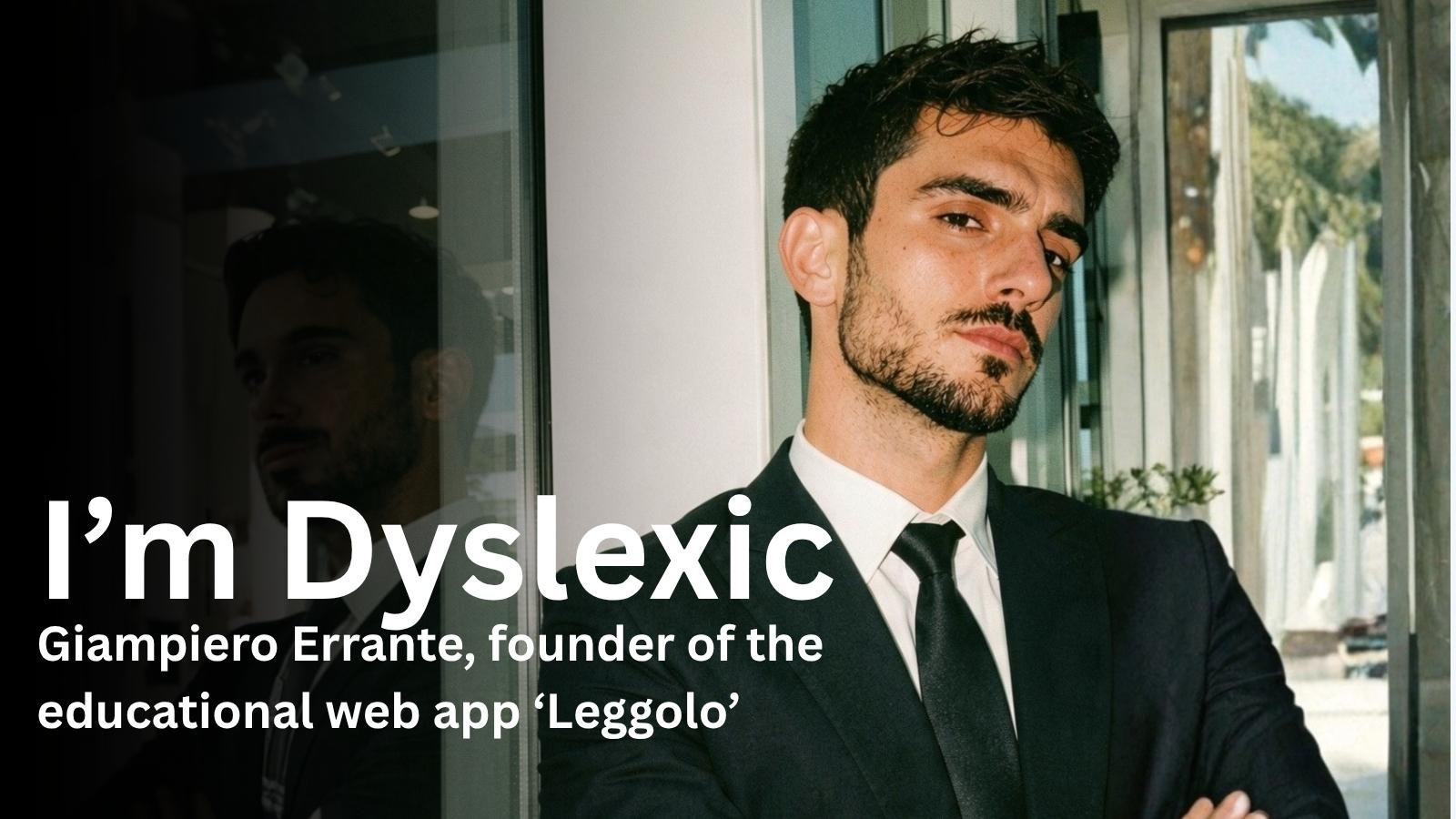
“I’m Dyslexic. I Built a Web App to Help Others.” How Leggolo is Rethinking Accessible Education
When Tanusha Narula from The Optimist News joined a Zoom call with Giampiero Errante, founder of the educational web app Leggolo, the conversation immediately felt different from a standard Silicon Valley tech pitch. There was no aggressive posturing about “disrupting the global education market” or claims that his AI could magically solve every classroom problem.
Instead, Errante offered something much more grounded and profoundly human: a lived experience.
“I’m dyslexic,” Errante explained. “The inspiration for Leggolo comes from my own experience of studying with dyslexia and encountering barriers that made it difficult to show what I was capable of. Rather than identifying a single moment, I would describe a question that gradually became the foundation of the project: What if learning tools could adapt to the student, instead of always asking the student to adapt to them?”
That central question is driving a quiet but vital revolution in accessible learning. As top-tier institutions across the capital—from the highly progressive IB frameworks at The Shri Ram School to competitive CBSE environments like DPS—grapple with how to better support neurodivergent students, tools like Leggolo are offering a new path forward. It is not just about institutional accommodations; it is about giving students the daily independence to learn on their own terms.
What is Leggolo?
Available at leggolo.app, Leggolo is a browser-based study platform designed to help learners process educational material in multiple, highly accessible ways.
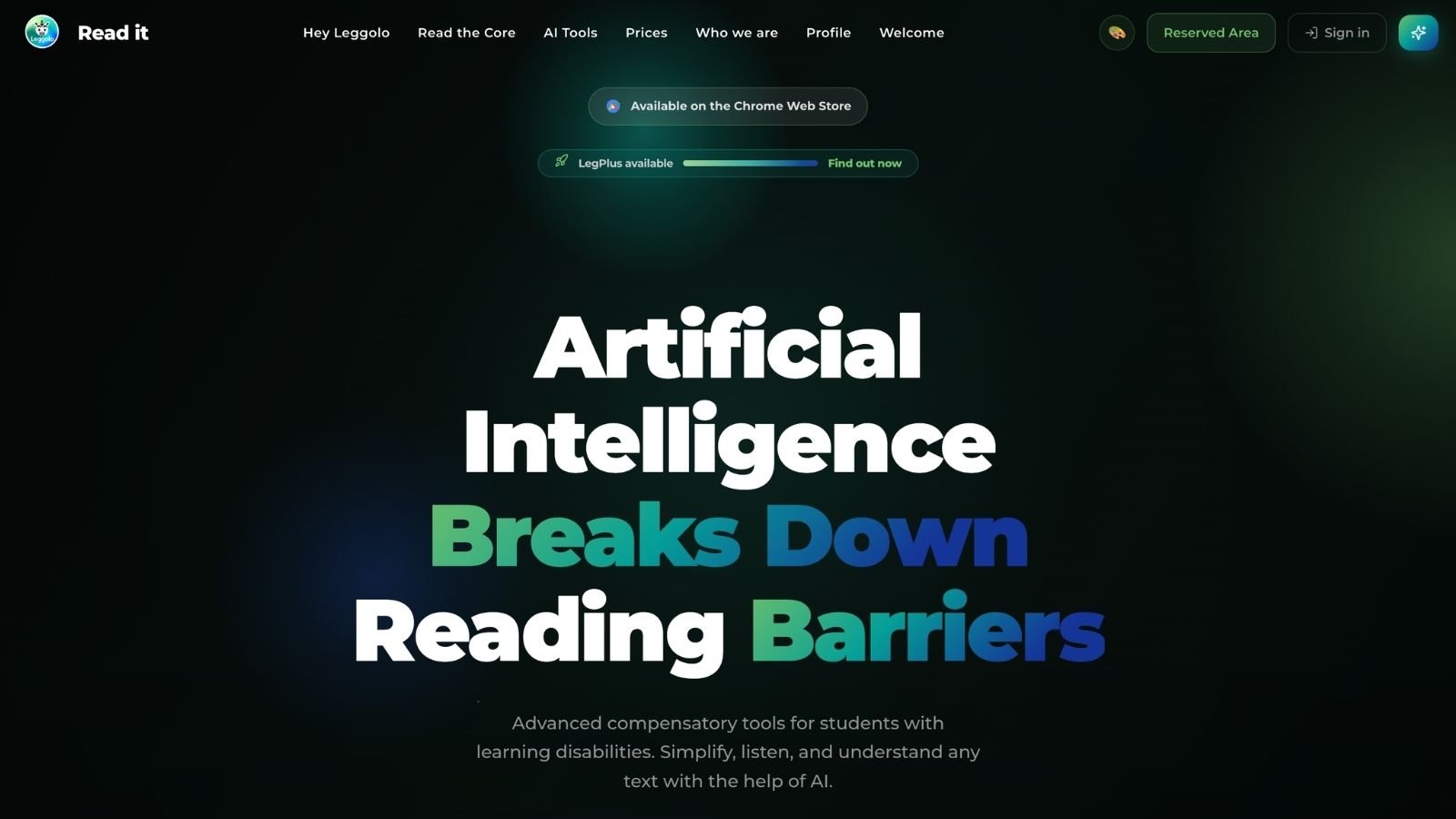
The platform brings together a robust suite of tools: concept maps, text simplification, assisted reading, quizzes, flashcards, and an AI tutor called “Hey Leggolo”. While any student can use it, its architecture pays particular attention to learners with dyslexia and other specific learning needs. A student can upload a dense, intimidating study passage, and the platform will provide a clear starting point by generating a summary, a visual concept map, and revision questions.
But what happens when someone who needs it builds an accessible tech product, rather than a corporate engineering team treating accessibility as an afterthought?
“One example is the way Leggolo brings text simplification and visual concept mapping into the study process,” Errante told us. “I would not claim that concept maps or text simplification are exclusive to Leggolo. The distinction I am working towards is how these tools fit together around the learner’s needs, informed by my own experience of dyslexia.”
For dyslexic students, a massive block of dense, academic text isn’t just a reading assignment; it is a cognitive roadblock that can trigger severe anxiety and cognitive fatigue.
“The purpose is not simply to produce shorter content,” Errante clarified. “It is to help students find a clear starting point, organize information, and build understanding without feeling overwhelmed. My goal is to help students access knowledge with fewer obstacles and feel more confident in their ability to learn. This matters to me because the emotional experience of learning—feeling understood, included, and capable—is just as important as the tools themselves.”
The Delhi NCR Context: AI in the Global Classroom
The conversation around accessible EdTech is particularly relevant for our readers in Delhi NCR and across India. We frequently cover stories of young innovators building global tech lifelines and the rapid digitization of Indian systems, like the Skill India Digital Hub. But the Indian classroom presents a unique challenge: massive student-to-teacher ratios and the complexities of learning in English as a second (or third) language.
We asked Errante how a tool designed from a dyslexic perspective could translate to diverse global classrooms, particularly English-medium schools in India.
“I see potential in helping teachers present the same subject in different ways: a structured explanation, a visual map, or guided revision questions,” Errante noted. “This could give students more than one route into a lesson while keeping shared learning objectives. For English-medium schools in India, I would welcome the opportunity to explore that potential with local educators. It would be essential to assess language quality, curriculum relevance, and classroom usability before making claims about suitability or impact.”
Errante is careful not to conflate different struggles, showcasing a deep respect for the educational process. “Dyslexia and learning in an additional language are different experiences, and support should reflect that. My ambition is to develop Leggolo through dialogue with teachers and learners, respecting the needs of each educational context.”
Addressing the AI Skeptics
In a post-ChatGPT world, many educators are understandably cautious. There is a prevailing fear that AI tools simply do the homework for the student, bypassing the critical thinking required for true comprehension. We have explored the need to protect childhood development in our piece on why kids should be descreened, and Errante’s approach to AI aligns perfectly with responsible technology use.
When asked how he responds to teachers who are skeptical about AI in education, Errante did not push back—he agreed with them.
“I believe their questions are necessary,” he stated firmly. “Teachers should be able to understand what an AI tool does, where it can make mistakes, and how it supports meaningful learning. My approach is to position Leggolo as a study aid, with teachers retaining their central role. AI-generated material needs review, and students should be encouraged to question it, check it against their sources, and explain ideas in their own words.”
Leggolo is not designed to replace the teacher or the textbook. It is a scaffolding tool.
“A sensible starting point would be a small, teacher-supervised activity, followed by an assessment of whether students actually understand the material better,” Errante advised. “Producing an answer faster is not, by itself, evidence of learning. For me, the most important question is: does this tool help a student become more confident, engaged, and independent?”
The Future of Independent Learning
Leggolo represents a crucial shift in how we view educational technology. It moves away from the idea of “curing” or “fixing” neurodivergent students, and instead focuses on adapting the environment to fit how their brains naturally process information.
By taking the emotional toll of studying seriously and prioritizing student independence over raw efficiency, Giampiero Errante is proving that the best technological solutions often come directly from those who understand the problem the most intimately.
To explore the platform and try the tools for yourself, visit leggolo.app.
