
The Algorithmic Shelf: How Swiggy’s ‘Noice’ Weaponized Search Data to Disrupt Legacy FMCG
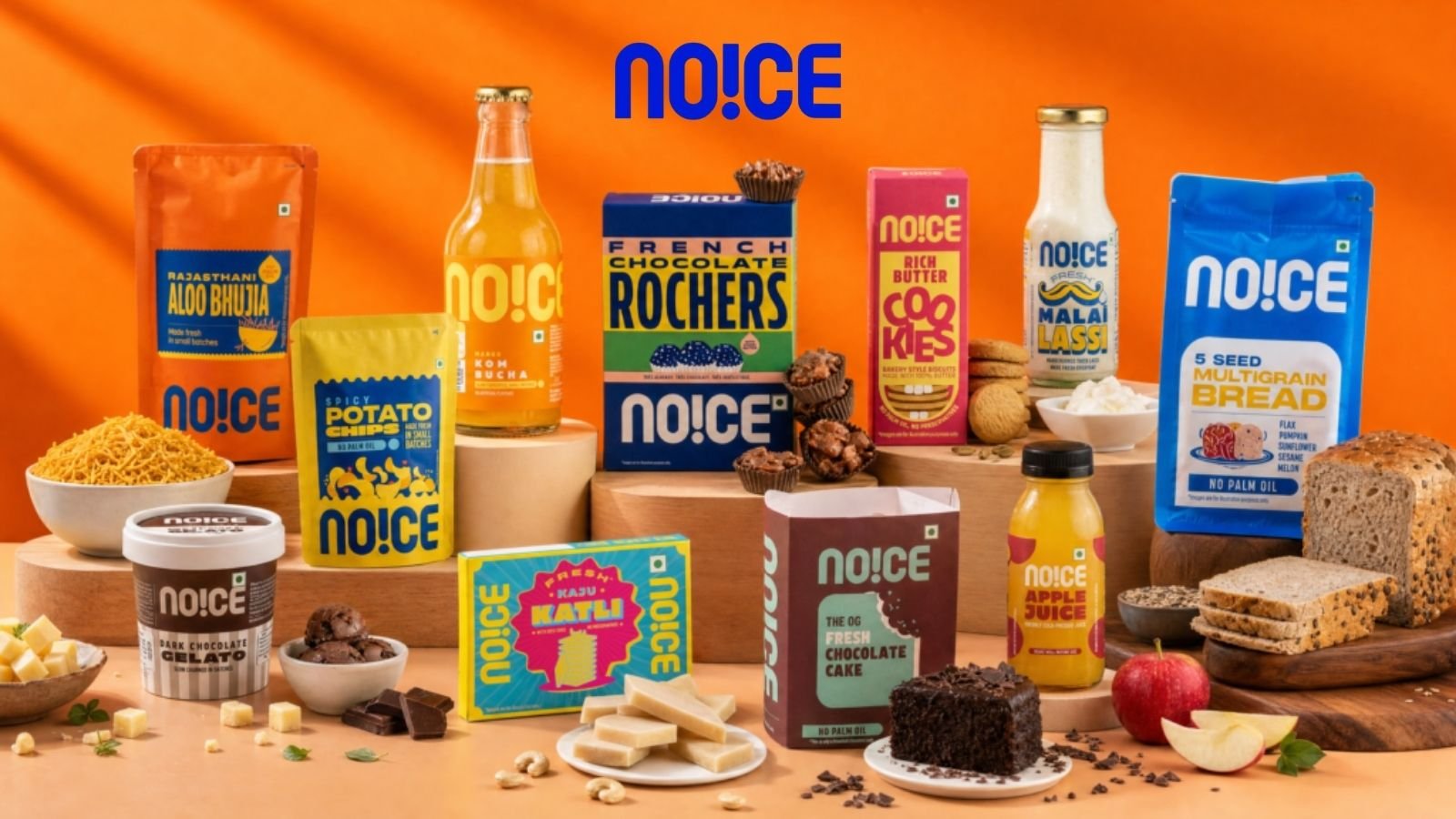
Swiggy Instamart’s in-house private label, Noice, achieved what legacy Fast-Moving Consumer Goods (FMCG) giants spend decades and billions of rupees trying to build: scaling to over 300 products across 20 categories and hitting massive monthly recurring revenue in just over a year, all without owning a single factory.
While the broader startup ecosystem focuses heavily on Noice’s rapid supply chain and quick-commerce delivery speeds, the true masterclass in this strategy lies in an angle few are discussing: the death of the physical shelf and the rise of algorithmic monopoly.
The “Unfair Advantage” of Search Data
For 50 years, the traditional FMCG moat relied on physical distribution. Brands like Nestle, ITC, and Britannia fought brutal wars—and paid exorbitant “slotting fees”—to secure eye-level placement in supermarkets. Swiggy bypassed this entirely by owning the search engine.
Instead of conducting blind R&D to guess what consumers want, Swiggy leverages its own 14 million active monthly users. If thousands of users search for “crustless bread,” “sugar-free kombucha,” or “palm-oil-free cookies” and return empty-handed, the platform instantly identifies a market gap. Once Noice manufactures the product to fill that gap, Swiggy controls the sorting algorithm, ensuring its in-house brand is hardcoded to the top of the app’s grid. Legacy brands are instantly pushed below the scroll, nullifying their historical distribution advantages.
Flipping the D-Mart Script: Premiumization over Discounts
Historically, Indian private labels have relied on the DMart playbook: undercut national brands by 15% to 20%, utilize basic packaging, and rely on bulk, low-margin sales. Noice is executing the exact opposite strategy by heavily targeting urban millennials who prioritize health over discounts.
Instead of fighting on price, Noice competes entirely on product quality and “clean label” ingredients, deliberately avoiding palm oil and artificial preservatives. This allows them to successfully execute a premium pricing strategy. For example, a 100-gram packet of Noice’s signature banana chips retails for ₹59, sitting comfortably above established legacy competitors priced between ₹32 and ₹43.
| Strategy Metric | Traditional Private Labels (e.g., DMart) | Swiggy Instamart’s Noice |
| Pricing Strategy | 15–20% Cheaper than National Brands | Premium Pricing (Often higher than legacy) |
| Product Focus | Basic Staples & Mass Market Snacks | Trend-driven, Palm-oil free, Clean Label |
| Manufacturing | Mass Industrial Factories | 40+ Local Kitchens & Small Batch Artisans |
| Distribution | Physical Supermarket Aisles | Locked exclusively into the Swiggy Ecosystem |
Asset-Light Manufacturing Meets D2C Growth
Rather than burning capital to build industrial food processing plants, Noice partnered with over 40 local kitchens and small-batch manufacturers. Noice handles the data analytics, the vibrant matte-finish packaging designed specifically for mobile thumbnail visibility, and the rapid distribution. The localized kitchens focus entirely on ingredient quality.
This decentralized reliance on grassroots entrepreneurs is a digitized version of the macroeconomic trends we track closely at The Optimist News. Just as physical platforms like the SARAS Aajeevika Mela in Gurugram bypass corporate middlemen to connect rural artisans directly to urban buyers, Swiggy uses its digital infrastructure to turn small-scale kitchens into national suppliers overnight.
The Threat to D2C and Looming Regulatory Friction
While Noice is a brilliant capitalization of platform mechanics, it creates an existential threat to independent Direct-to-Consumer (D2C) brands. Specialized D2C startups—such as the Gurugram-based quick-commerce disruptor OZi, or digital-first beauty brands built by founders like Parul Gulati—must now operate on platforms that act as both their marketplace and their direct competitor.
This dual role is actively drawing scrutiny. Legal analysts note that algorithmic self-preferencing heavily skirts the edge of the Consumer Protection (E-commerce) Rules, 2020, and could eventually attract antitrust action from the Competition Commission of India (CCI).
Despite the looming regulatory shadows, the consumer adoption rate validates the model. With over 9 million unique buyers and Noice products now appearing in 10% of all Instamart baskets, Swiggy has proven that whoever owns the search bar ultimately owns the modern FMCG market.
