
The ₹75 Crore Signal: What Theater’s Funding Reveals About India’s New “Working Woman” Economy
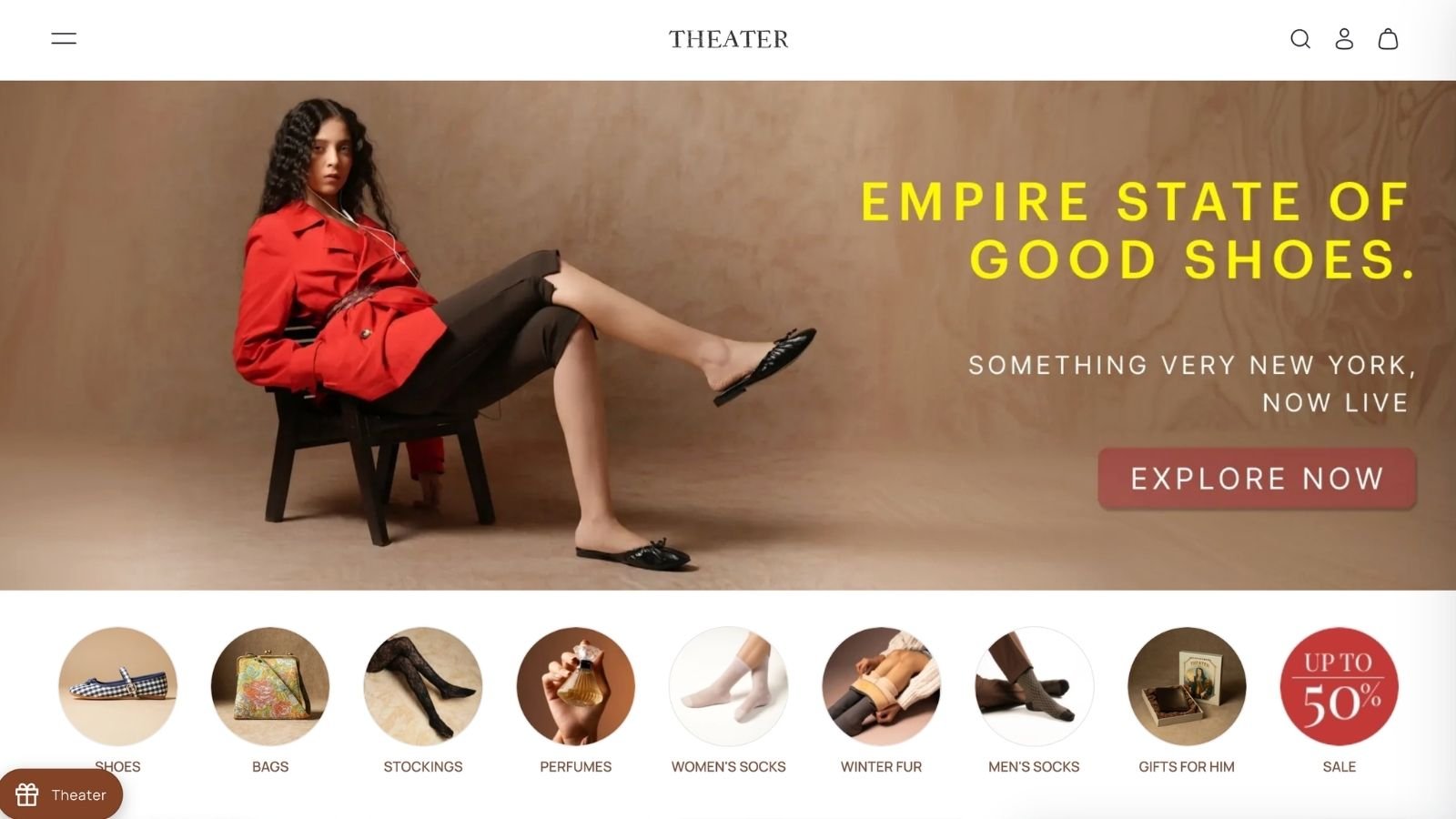
Mumbai-based D2C fashion startup Theater just secured a massive ₹75 crore in Series A funding, led by Niveshaay alongside Physis Capital and Prath Ventures, vaulting its post-money valuation to ₹410 crore.
Founded in 2021 by Sarthak Aggarwal, Vikram Jain, Karan Jain, and Shruti Aggarwal, the brand focuses on footwear, stockings, bags, and perfumes. But beneath the impressive 8x growth curve and ₹33.35 crore operating revenue lies a much larger macroeconomic trigger: the rapid influx of Indian women into the formal workforce.
Niveshaay’s investment thesis highlights this directly—mass-premium fashion is outpacing the broader market specifically because the female Labour Force Participation Rate has surged from 23.3% in 2017–18 to over 41.7% in 2023–24. When millions of women enter corporate offices, the architecture of consumer demand fundamentally changes.
The Obvious Gap: Upgrading the Daily Uniform
For years, the Indian accessory market forced women to choose between expensive luxury imports and poorly designed compromises. Theater identified that categories like work-adjacent stockings and structured handbags were almost entirely unorganized in India. By focusing on evergreen, design-led products at a mass-premium price point, they captured an audience that prioritizes aesthetics but refuses to pay luxury markups.
The fresh ₹75 crore capital will now fuel Theater’s expansion into physical retail across Tier 1 and Tier 2 cities. However, scaling offline retail carries immense risk. Legacy brands like Sugar Cosmetics faced massive valuation pressure after expanding physical footprints faster than unit economics allowed. Theater is stepping into this exact high-stakes terrain.
The Angle Nobody Is Talking About: The “Time-Compression” Economy
While Theater has successfully capitalized on the aesthetic needs of the modern working woman, the broader industry is ignoring her functional needs.
This demographic shift is quietly creating entirely new “Time-Compression” and “Office-Survival” consumer categories that will birth the next wave of D2C unicorns. Similar to how founders like Sudiksha Jain built Necesera around sustainable comfort, the market is starving for solutions tailored to the dual-shift reality of working women:
- Commuter Tech-Fashion: There is a massive void for ergonomic, transit-friendly bags that securely hold tech hardware but look like high-end luxury totes, alongside commuter footwear that effortlessly passes formal office dress codes.
- Desk-Side Wellness & Discretion: As highlighted by recent shifts in urban Indian women’s consumer habits, there is rising demand for on-the-go utility. This includes invisible pain-relief patches designed for 9-to-5 wear, and functional nutrition tailored for quick office consumption.
- Corporate Maternity Wear: Women are no longer stepping away from their careers during pregnancy. This has exposed a severe lack of empowering corporate apparel that adapts to pregnancy and postpartum without sacrificing executive authority.
Demographic shifts create consumer voids long before entrepreneurs build brands to fill them. Theater’s ₹75 crore round is just the opening act. The true market winners will be those who recognize that the modern Indian working woman doesn’t just need better stockings—she needs products that give her time, comfort, and professional utility.
What secondary product categories do you think the influx of women into the corporate sector will permanently disrupt next?
