
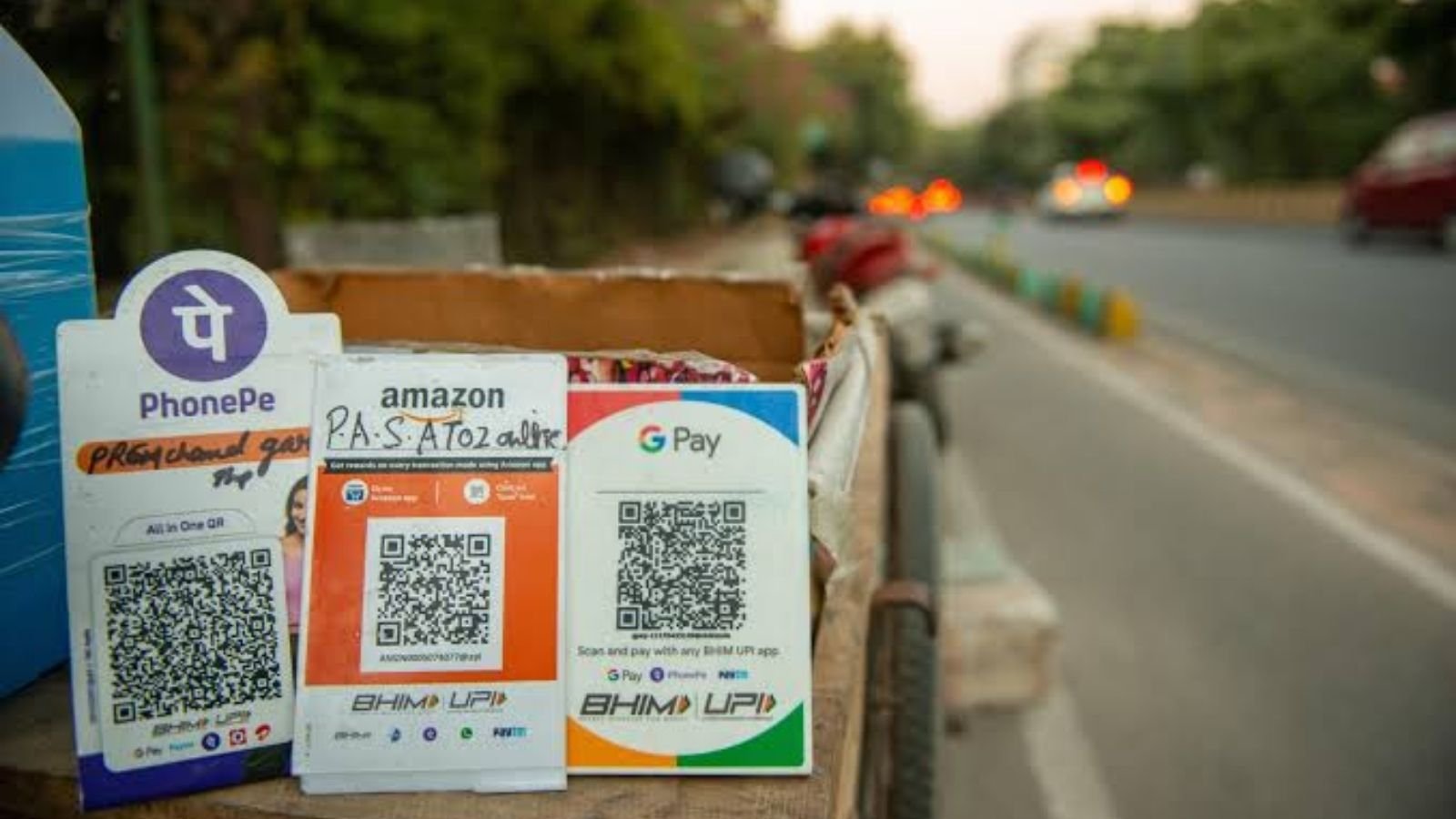
Small Merchants Built UPI’s Reach: What Official Data Reveals
When India’s Unified Payments Interface (UPI) launched, skeptics viewed it primarily as a peer-to-peer transfer tool for tech-savvy urbanites sending money to friends and family. However, official dataset releases paint a dramatically different picture. The true architects of India’s digital payment revolution are not corporate conglomerates or high-value online shoppers, but millions of neighborhood kirana owners, roadside vendors, and small merchants operating across the country.
Data published through a recent Ministry of Finance release reveals that Person-to-Merchant (P2M) payments now dominate the network. What began as a money-transfer network has transformed into the primary transaction layer for India’s informal and small-business economy.
The Shift from Personal Transfers to Everyday Merchant Payments
In the early stages of UPI rollout, Person-to-Person (P2P) transfers accounted for the majority of transaction volume. Friends splitting dinner bills or workers sending remittances home dominated daily logs. However, the inflection point occurred when QR code stands spread across physical retail outlets.
Today, Person-to-Merchant (P2M) transactions represent roughly 65% of all monthly UPI volume, leaving P2P transactions at 35%. Over 6.5 crore (65 million) merchants are active on the platform, transforming routine daily purchases into digital entries recorded on bank balance sheets.
Sub-₹500 Transactions: The Engine of Micro-Commerce
The scale of merchant adoption becomes clear when examining transaction values. According to tracking figures from the National Payments Corporation of India, a striking 86% of all P2M transactions are under ₹500.
| Transaction Category | Volume Share (%) | Primary Usage & Economic Context |
| P2M (Sub-₹500 Micro-Payments) | 56% | Tea stalls, local groceries, vegetables, auto fares |
| P2M (₹501 to ₹2,000 Payments) | 6% | Supermarkets, clothing stores, dining out |
| P2M (Above ₹2,000 Payments) | 3% | Electronics, high-end retail, travel bookings |
| P2P (Personal Transfers) | 35% | Family remittances, peer lending, rent payouts |
This concentration in low-ticket transactions proves that UPI succeeded because it fit effortlessly into daily cash habits. A ₹10 cup of tea or a ₹40 vegetable bill can now be settled digitally in seconds, eliminating the friction of physical currency change.
The Policy Catalyst: Zero MDR and Grassroots Onboarding
The rapid rise of micro-merchants was enabled by deliberate regulatory policy. In late 2019, the government eliminated the Merchant Discount Rate (MDR) on UPI transactions. Previously, card networks charged small shopkeepers a fee ranging from 0.9% to 2% on every swipe, making digital adoption unviable for low-margin businesses.
By removing transaction fees for merchants, regulators created an environment where even micro-vendors could display QR codes without shrinking their margins. This shift allowed small businesses and artisans to access formal financial rails without upfront operational costs.
Expanding Beyond Metros into Tier-2 and Tier-3 Hubs
While metropolitan centers reached over 98% merchant saturation early on, recent growth is powered by tier-2, tier-3, and rural centers. Merchant adoption in mid-sized cities now exceeds 85%, supported by audio notification soundboxes that give instant vocal payment confirmations in noisy market stalls.
This widespread physical visibility has also boosted consumer confidence across demographic segments. As trust in digital tools expands, more citizens feel comfortable using digital financial apps for everyday budgeting and commerce.
What Lies Ahead for India’s Digital Payment Infrastructure
The integration of small vendors into digital banking networks yields long-term economic benefits. Digital transaction logs allow small vendors to build formal credit histories, unlocking access to micro-loans and working capital that were previously out of reach.
As governed by the Reserve Bank of India, upcoming innovations like credit lines on UPI and offline voice-based payments promise to deepen merchant engagement further. Government data makes one point indisputable: India’s world-leading payment ecosystem was built from the bottom up, one small merchant at a time.
