
Empowering India’s Daughters: Complete Guide to Beti Bachao Beti Padhao & State Girl-Child Schemes (2026)
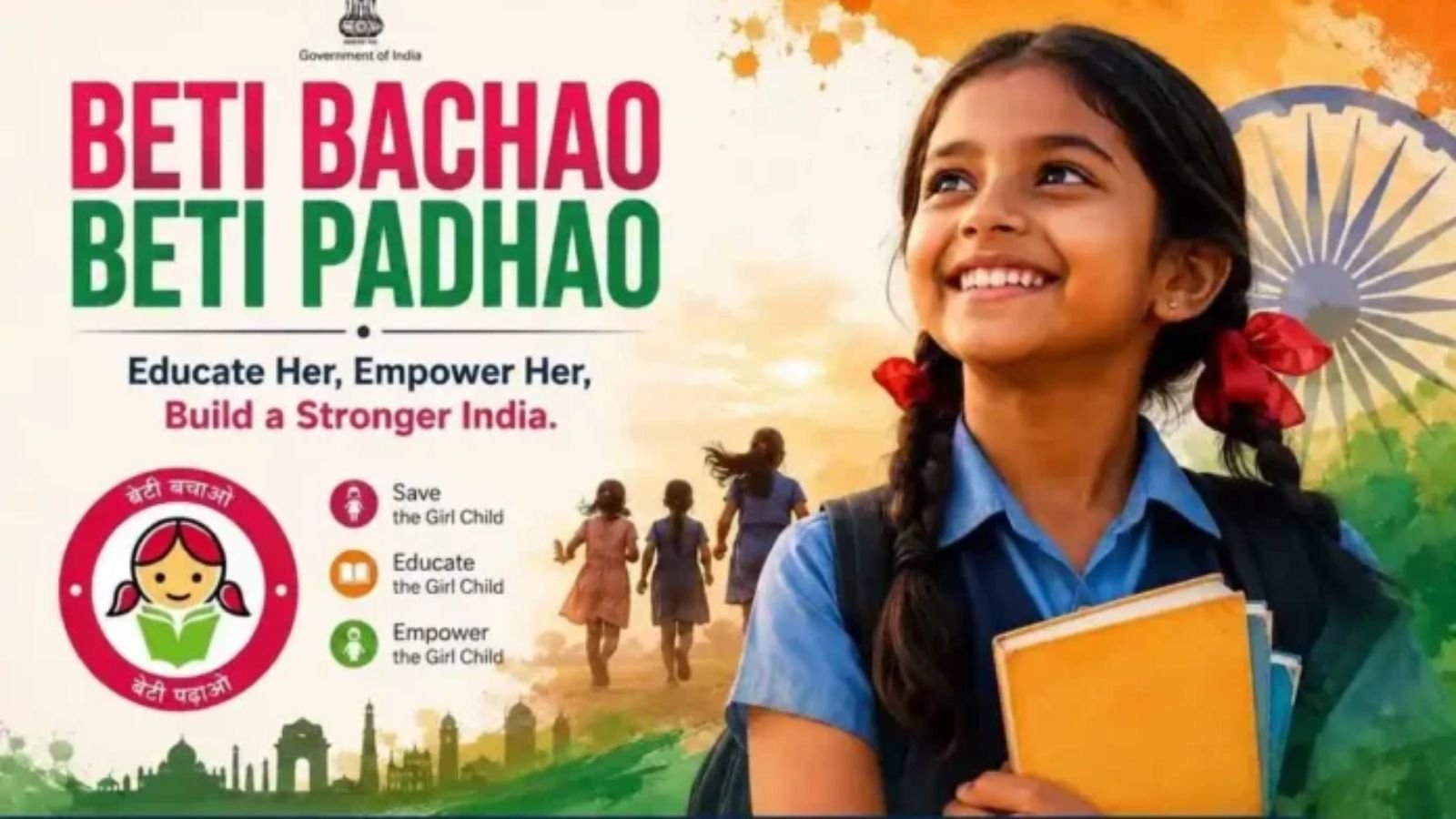
Investing in a girl child’s education and financial independence creates a ripple effect of progress across society. Launched in 2015, the flagship Beti Bachao Beti Padhao (BBBP) campaign has spearheaded awareness against gender bias while championing girl-child survival, protection, and education.
Understanding how BBBP integrates with universal savings plans like the Sukanya Samriddhi Yojana (SSY) and state-level cash transfer initiatives makes it easier than ever for families to secure a bright future for their daughters. For a broader perspective on social progress initiatives, explore our coverage on Women Empowerment Schemes in India.
How Beti Bachao Beti Padhao Works
A common misconception is that the central BBBP scheme directly transfers cash into individual bank accounts. In reality, BBBP functions as a central funding and advocacy umbrella:
- Central Level: Funds awareness drives, media campaigns, and administrative monitoring to enforce laws against gender-biased sex selection.
- State & District Level: State governments utilize BBBP support alongside their own welfare allocations to fund direct financial benefit schemes for girls.
- Universal Savings (SSY): Operates alongside BBBP to provide long-term, high-interest, tax-free savings for families.
This collaborative framework connects macro-level policy with micro-level financial support for families across India. Learn more about how policy drives social change in our analysis on The Language of Equality and Education by 2030.
Eligibility Criteria & Key Rules
Before submitting an application, review the standard eligibility requirements across central and state welfare programs:
- Citizenship: The girl child must be a citizen of India.
- Family Size Caps: Most state schemes and the central Sukanya Samriddhi Yojana allow benefits for up to 2 daughters per family. (Note: Exceptions are made for twin or triplet births in the second delivery).
- Income Criteria: Universal schemes like SSY have no income limits. State-specific cash benefit programs (e.g., Ladli Lakshmi or Bhagya Lakshmi) often prioritize families under specific income thresholds or BPL/EWS categories.
Minimum Age to Apply
- State Cash Schemes: Registration typically opens at birth (0 years). Many state benefits require registering the birth within 21 days to receive initial payouts smoothly.
- Sukanya Samriddhi Yojana (SSY): Can be opened anytime from birth up to 10 years of age.
Required Documents
Keep these essential documents ready when applying for any girl-child scheme:
- Birth Certificate of the girl child (issued by the local municipal authority or Gram Panchayat).
- Aadhaar Card of the girl child (or enrolment slip for newborns) and parents’ Aadhaar cards.
- Active Bank Account details in the girl child’s name (with a parent or legal guardian listed as joint holder).
- Income Certificate (issued by a competent authority, required for income-capped state benefits).
- Caste Certificate (if applying under SC/ST reserved quotas).
- School Enrolment / Bonafide Certificate (required for milestone-based education disbursements in later years).
How to Apply & Where to Apply
Depending on the scheme you are opting for, the application process follows two primary paths:
1. Central Universal Savings (Sukanya Samriddhi Yojana)
- Where to Apply: Visit any authorized public/private bank branch or your nearest India Post office.
- How to Apply: Fill out the account opening form, attach the birth certificate and parents’ identity proof, and make an initial minimum deposit (starting at ₹250).
2. State-Specific Girl-Child Cash Schemes
- Where to Apply: Visit your nearest Anganwadi Center, local Women and Child Development (WCD) office, or access your state’s official digital service portal.
- How to Apply: Complete the state-specific application form, get your documents verified by an ASHA or Anganwadi worker, and submit the file for sanction. Benefits are transferred directly to the beneficiary’s bank account via Direct Benefit Transfer (DBT).
To check official guidelines, track online application forms, or start your registration process directly, visit the official Ministry of Women and Child Development Portal to Apply Now.
Major State-Level Cash Benefit Schemes
State programs work in tandem with central policies to provide financial milestones as girls progress through school and reach adulthood:
| State | Scheme Name | Financial Support & Milestones |
| Madhya Pradesh | Ladli Lakshmi Yojana | ~₹1.18 Lakh cumulative payout by age 21, tied to education milestones |
| Karnataka | Bhagya Lakshmi Scheme | ~₹1 Lakh maturity value on reaching age 18 |
| Uttar Pradesh | Kanya Sumangala Yojana | ₹15,000 released in 6 phased educational stages |
| Bihar | Mukhyamantri Kanya Suraksha | ₹2,000 at birth + ₹50,000 upon reaching adulthood (age 18) |
| Haryana | Aapki Beti Hamari Beti | ₹21,000 financial assistance upon birth |
| Delhi | Delhi Ladli Scheme | ₹35,000 to ₹50,000 staggered across educational milestones |
| West Bengal | Kanyashree Prakalpa | Annual stipend + ₹25,000 one-time grant at age 18 |
Regions like Delhi also offer tailored assistance to support vulnerable communities; read more about regional welfare initiatives in our report on Delhi Lakshmi Yojana Initiatives.
Important Tips for Families
- Register Births Early: Delayed birth registration can stall verification for state-level financial grants.
- Stack Your Schemes: Families can hold a Sukanya Samriddhi Yojana account while simultaneously availing of eligible state cash transfer schemes and maternity benefits like PMMVY.
- Keep School Records Updated: Because many state disbursements are linked to passing Class 5, 8, 10, and 12, maintain clean documentation of school progress.
- Track Performance & Transparency: Citizens seeking information regarding fund allocation or district task force metrics can access public audit findings on the official Comptroller and Auditor General of India (CAG) portal or file requests under the Right to Information (RTI) Act.
Programs that combine structural awareness with targeted financial support ensure every girl child receives the foundation she needs to thrive. Educational and skills programs play a major role in this journey; discover more about skill-building initiatives in our feature on IGNOU & NCW Skill Courses for Women.
